
 E-Paper



Photos| Guns and roses: Afghan farmers enjoy sweet smell of success
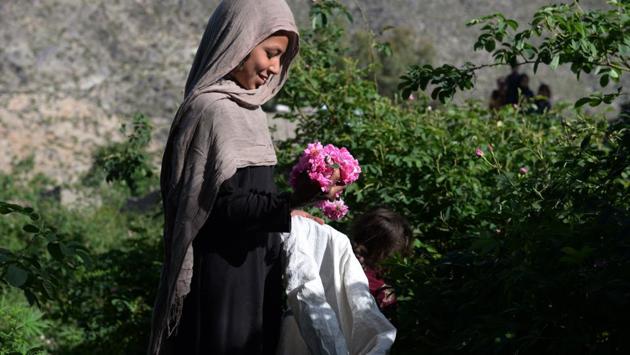
Poppy cultivation hit a new record in Afghanistan last year, with opium production soaring 87 percent to an estimated 9,000 tonnes, official figures showed. Opium is big business in Afghanistan, where Nangarhar is the sixth biggest poppy-producing province. The area is rife with fighters belonging to the Islamic State group (IS), which emerged in Afghanistan by the end of 2014 and quickly turned the province into a stronghold. In this conflict ridden state formerly poppy growers are finding sweet success in the cultivation of rose petals that are turned into rose water and oils for sale around the world.
Updated on: Jul 29, 2018 3:32 PM IST

Share via


Copy link

1/9
 View Photos in a new improved layout
Updated on Jul 29, 2018 3:32 PM
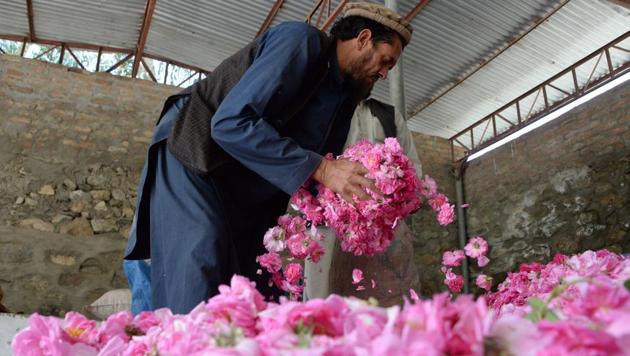
Afghan men fill a plastic bag with rose petals in the Dara-i-Noor district of Nangarhar province. The sweet smelling crop is providing farmers in Nangarhar province with a viable alternative to growing opium poppies, the sale of which has fuelled the conflict raging across the country. The carefully plucked petals are turned into rose water and oils for sale around the world. (Noorullah Shirzada / AFP)
2/9
 View Photos in a new improved layout
Updated on Jul 29, 2018 3:32 PM
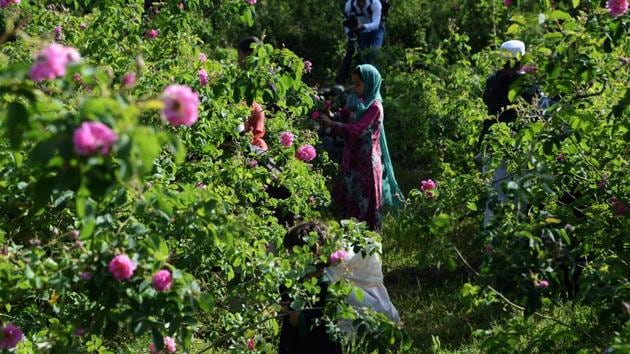
More than 800 farmers in the province bordering Pakistan are benefiting from the “Roses for Nangarhar” project, a joint Afghan-German initiative set up in 2007 to encourage poppy growers to switch to a legal, money-making flower. Sapai,50, a farmer said, “They provided us with the plants, the tools and even paid us for the first year when we had no harvest.” (Noorullah Shirzada / AFP)
3/9
 View Photos in a new improved layout
Updated on Jul 29, 2018 3:32 PM
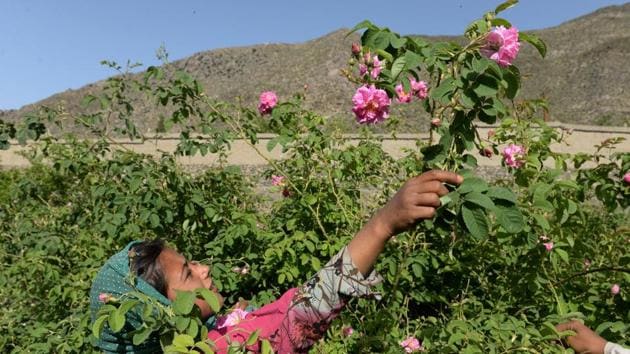
Unlike poppies, roses do not require watering, fertiliser or care. Rose trees are also more durable, lasting 30 to 50 years, compared with poppies, which must be planted every season. The farmers grow a variety known as Damask roses, which were brought from Bulgaria by the Germans but are endemic to Afghanistan, said Mohammad Akbar Mohmand, the owner of Afghan Rose Ltd. (Noorullah Shirzada / AFP)
4/9
 View Photos in a new improved layout
Updated on Jul 29, 2018 3:32 PM
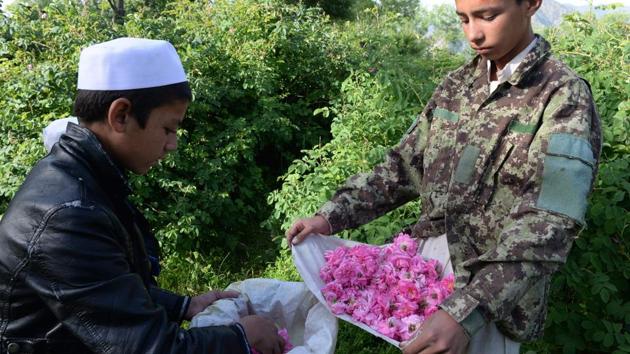
Opium is big business in Afghanistan, where Nangarhar is the sixth biggest poppy-producing province. The area is rife with fighters belonging to the Islamic State group (IS), which emerged in Afghanistan by the end of 2014 and quickly turned the province into a stronghold. The Taliban also roam the area, and bombs planted along the roads leading to rose fields are a constant threat. (Noorullah Shirzada / AFP)
5/9
 View Photos in a new improved layout
Updated on Jul 29, 2018 3:32 PM
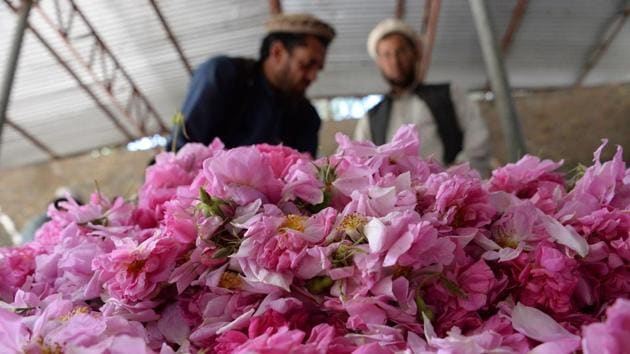
Men fill a sack with rose petals in the Dara-i-Noor district of Nangarhar province. Khan Agha, a representative for Afghan Rose Ltd said that they have solid contracts with the farmers who grow roses asking them to stop cultivating poppy and other types of narcotics, and the places where they grow roses are all clean from poppy 100 percent. (Noorullah Shirzada / AFP)
6/9
 View Photos in a new improved layout
Updated on Jul 29, 2018 3:32 PM
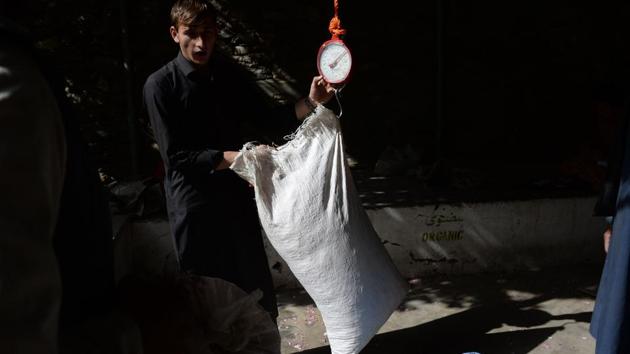
Most of the farmers cultivating roses are convinced that the crop is a better alternative who consider poppy cultivation forbidden under Islamic law. Once the petals are plucked, they began to wilt quickly and within hours lose their scent. The petals are distilled in the provincial capital Jalalabad. It takes about six tonnes of petals on average to extract one litre of essential oil. (Noorullah Shirzada / AFP)
7/9
 View Photos in a new improved layout
Updated on Jul 29, 2018 3:32 PM
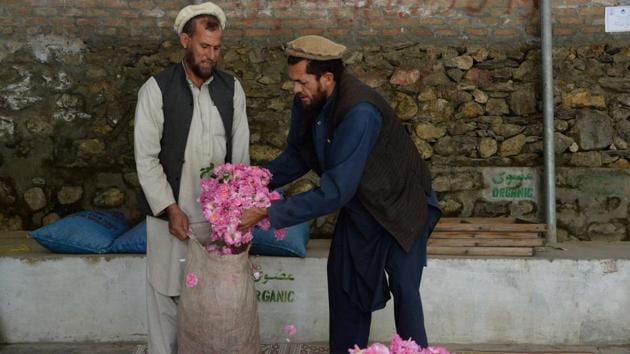
At peak harvest time each of these distilleries employ more than 120 people. From dawn until late morning, trucks flow from districts across the province delivering their precious cargo. (Noorullah Shirzada / AFP)
8/9
 View Photos in a new improved layout
Updated on Jul 29, 2018 3:32 PM
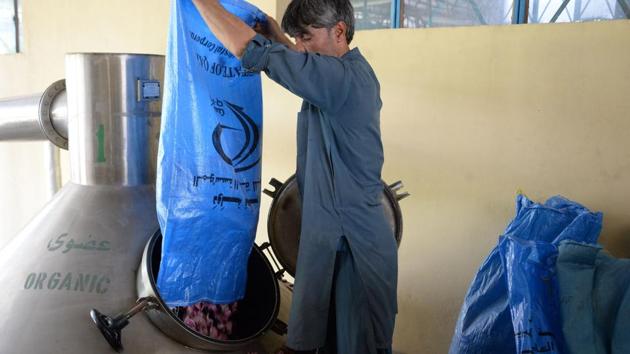
An Afghan man puts roses into a heater at a processing plant in Jalalabad. Shortly before the “Roses for Nangarhar” project started, Afghan entrepreneur Abdullah Orzala (not pictured) began growing roses and distributing the plants. He has 100 hectares (250 acres) of roses, but hopes to triple the number of plants next year “if the security (situation) allows.” (Noorullah Shirzada / AFP)
9/9
 View Photos in a new improved layout
Updated on Jul 29, 2018 3:32 PM


