
 E-Paper



Photos: In the shadow of war, Ukraine seeks to vote for peace
Destruction and damage are widespread after five years of conflict over eastern Ukraine between government forces and Russian-backed separatists. Around 13,000 people have been killed, a quarter of them civilians, according to the United Nations Human Rights Monitoring Mission in Ukraine. President Petro Poroshenko has made standing up to Russia a central thrust of what has become a tough political battle for reelection. Those planning to take part in the March 31 presidential vote say the conflict is the single biggest issue facing the country but struggle to identify who can best end it.
Updated on: Mar 20, 2019 1:26 PM IST

Share via


Copy link

1/13
 View Photos in a new improved layout
Updated on Mar 20, 2019 1:26 PM
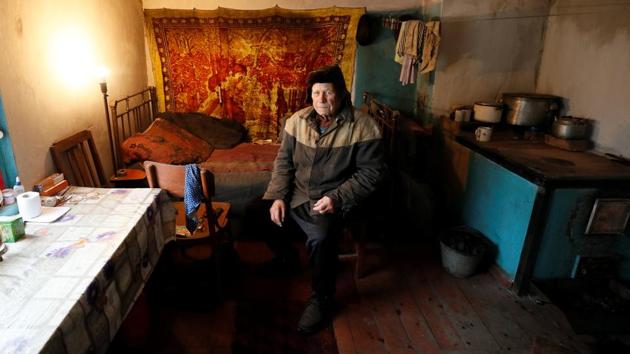
Vitaliy Kudla, 86, in a kitchen in his house, in the village of Zaitseve, Ukraine. There are not many people left in Zaitseve, a village on the front line that divides Ukraine, but voters like Galina Soboleva (not pictured) want just one thing from this month’s presidential election. “Whoever promises us peace, to rebuild our homes, we will vote for them. That’s all we need,” the pensioner said. (Gleb Garanich / REUTERS)
2/13
 View Photos in a new improved layout
Updated on Mar 20, 2019 1:26 PM
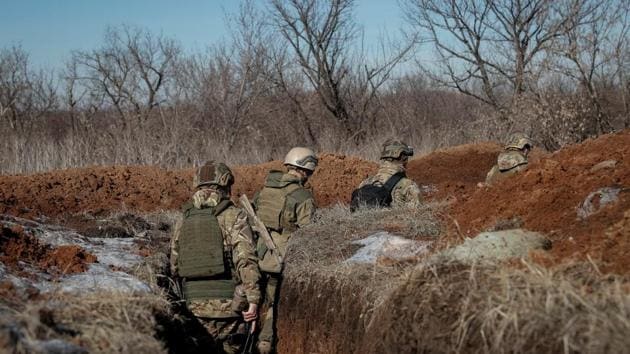
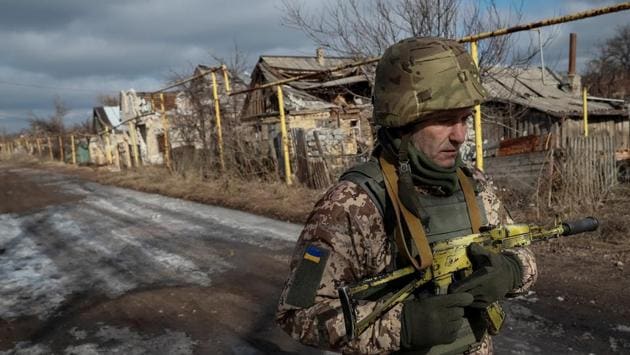
Members of Ukraine's interior ministry's Azov battalion are seen at a front line near the village of Travneve. Destruction and damage are widespread after five years of conflict over eastern Ukraine between government forces and Russian-backed separatists. Around 13,000 people have been killed, a quarter of them civilians, according to the United Nations Human Rights Monitoring Mission in Ukraine. (Gleb Garanich / REUTERS)
3/13
 View Photos in a new improved layout
Updated on Mar 20, 2019 1:26 PM
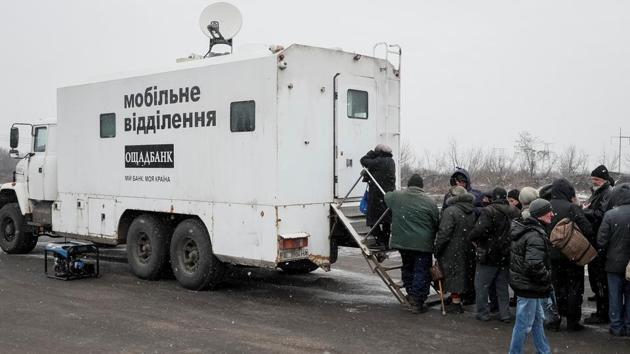
Local residents stand in line to an ATM located in an armoured truck near the front line in Mayorsk. Troops are stationed in trenches outside Zaitseve and government trucks risk rebel fire to bring bread, coal, firewood and other goods along a dirt road. Employees from the state-run Oschadbank travel by armoured truck to a nearby checkpoint, to allow residents on both sides of the conflict to withdraw money. (Gleb Garanich / REUTERS)
4/13
 View Photos in a new improved layout
Updated on Mar 20, 2019 1:26 PM
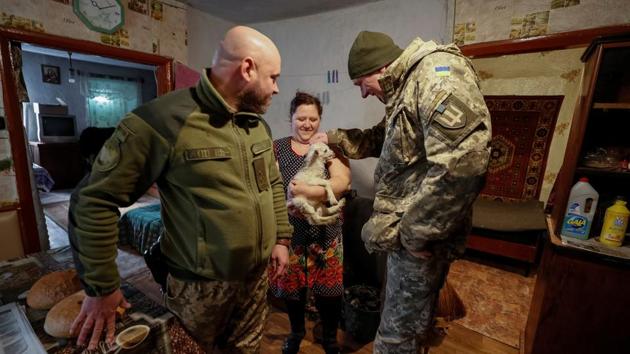
Ukrainian servicemen play with a small goat as they deliver bread to a resident in Zaitseve. Some 600km away in Kiev, President Petro Poroshenko has made standing up to Russia a central thrust of his political battle for re-election. Those planning to take part in the March 31 presidential vote say the conflict is the single biggest issue facing the country but struggle to identify who can best end it. (Gleb Garanich / REUTERS)
5/13
 View Photos in a new improved layout
Updated on Mar 20, 2019 1:26 PM
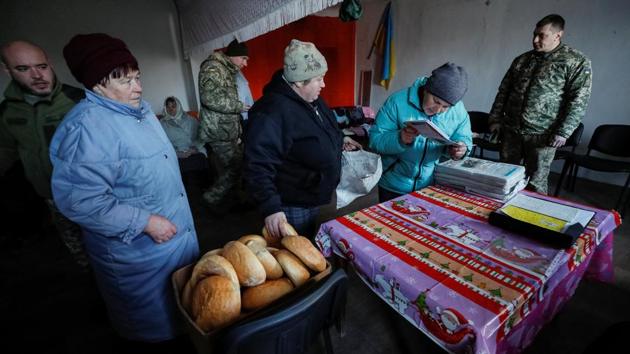
Protests in 2014 ousted Kremlin-friendly president Viktor Yanukovich. Russia invaded and annexed the Crimea peninsula. Two “People’s Republics” – unrecognized by either Kiev or Moscow – have formed in the Donetsk and Luhansk in eastern Ukraine, known as Donbass. In Donetsk city, few people are likely to vote, because they would have to cross the front line to register; some said the candidates were as bad as each other. (Gleb Garanich / REUTERS)
6/13
 View Photos in a new improved layout
Updated on Mar 20, 2019 1:26 PM
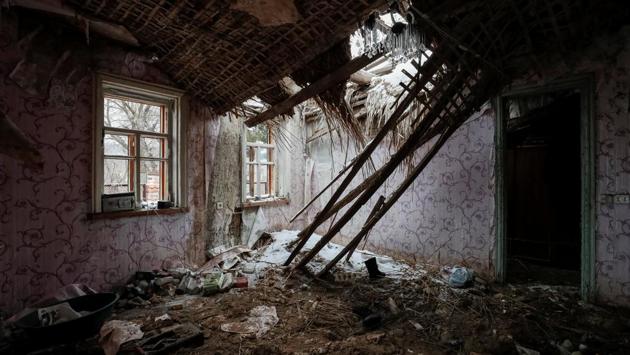
A house damaged by shelling in Zaitseve. Ukraine and NATO accuse Russia of propping up the separatists. Reuters has also documented the involvement of Russian troops and tanks. Moscow says it only provides political and humanitarian support to rebels and Russians fighting in Ukraine are volunteers. The Minsk ceasefire agreement in 2015 staunched the worst of the bloodshed but troops continue to die regularly. (Gleb Garanich / REUTERS)
7/13
 View Photos in a new improved layout
Updated on Mar 20, 2019 1:26 PM
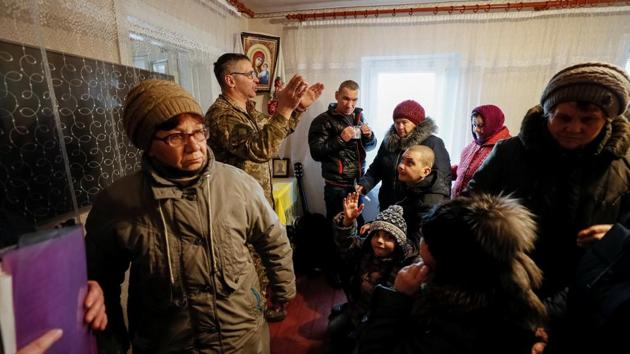
A chaplain leads service in Zaitseve. Poroshenko’s main rivals, former Prime Minister Yulia Tymoshenko and comic actor Volodymyr Zelenskiy, say they will approach peace talks differently, bringing the US and other countries on board. But it is unclear whether they would change the status quo. Residents in Zaitseve were reluctant to reveal their voting intentions but Zelenskiy leads recent opinion polls. (Gleb Garanich / REUTERS)
8/13
 View Photos in a new improved layout
Updated on Mar 20, 2019 1:26 PM
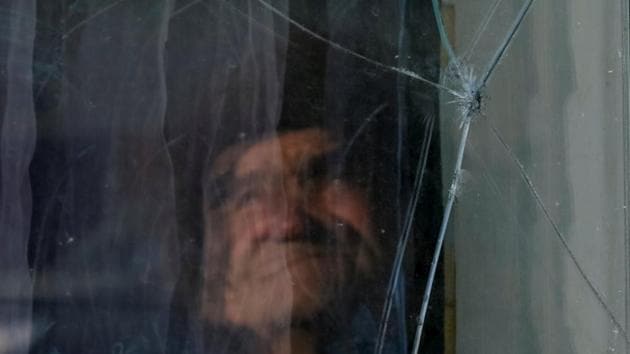
Some families are divided by the conflict, like that of Nikolai Yushkov, a 70-year-old pensioner living in the nearby village of Mayorsk. While he, his son and daughter live on government-controlled land, another daughter lives under separatist control, where the election is not being held. (Gleb Garanich / REUTERS)
9/13
 View Photos in a new improved layout
Updated on Mar 20, 2019 1:26 PM
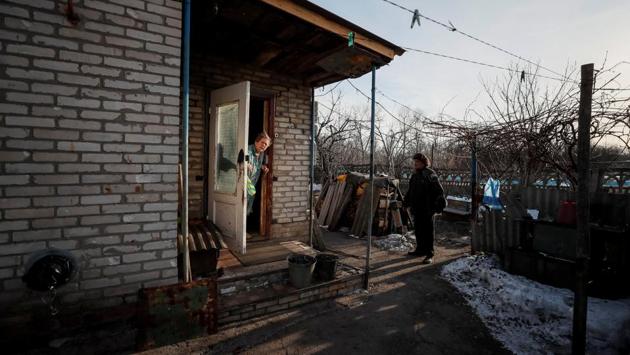
Raisa Taranenko, 73, speaks with her neighbour Nikolai Yushkov near her house, which is around 600 meters from the separatist trenches in Mayorsk. The single-storey building he shares with another family has survived shelling that destroyed surrounding buildings. “Everyone says: you need to sit down and you need to negotiate,” he said. “Peace. We need peace.” (Gleb Garanich / REUTERS)
10/13
 View Photos in a new improved layout
Updated on Mar 20, 2019 1:26 PM
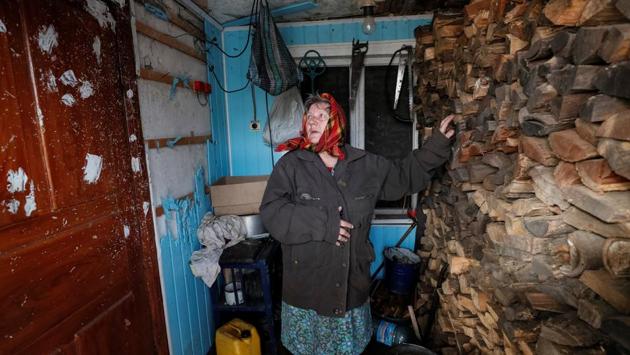
Raisa Taranenko looks at bullet holes in door caused by shelling and points at self-made protecting wall made of firewood in her house. Taranenko wants an end to the war. "But it's not clear how the situation will develop. There is no hope for anything", she said. "Everything is getting worse and worse." (Gleb Garanich / REUTERS)
11/13
 View Photos in a new improved layout
Updated on Mar 20, 2019 1:26 PM
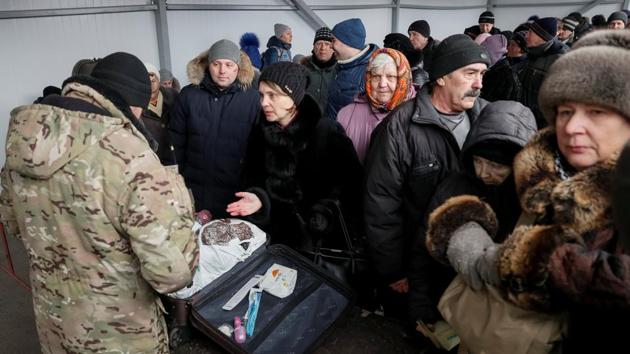
There are over a million crossings of the 500 km contact line every month, many by pensioners who spend hours queuing as they rely on state benefits available on the government-controlled side. The government and organisations like the UN have sought to improve conditions, providing heated tents, toilets, advice on avoiding landmines, and making border guards wear body cameras to prevent corruption. (Gleb Garanich / REUTERS)
12/13
 View Photos in a new improved layout
Updated on Mar 20, 2019 1:26 PM
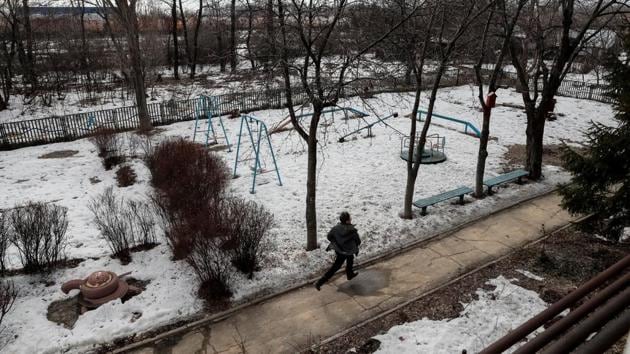
A boy runs on a street which is around 1000 meters from the trenches, in Mayorsk. Poroshenko came to power in 2014 promising to end the war within weeks and eventually take Ukraine into NATO. Under his administration spending on defence has been ramped up to 5% of GDP from 3% in 2013. The war is still going on but the army is better equipped --now supplied with US Javelin missiles. (Gleb Garanich / REUTERS)
13/13
 View Photos in a new improved layout
Updated on Mar 20, 2019 1:26 PM


