
 E-Paper



Photos: Insects crawl their way up Thailand’s haute cuisine menus
Once considered the food of the lower classes in Thailand, insects are now finding their way into the menu's of Bangkok's fine-dining restaurants, garnering acclaim from chefs and patrons who may initially be put off by the concept itself.
Updated on: Aug 30, 2017 12:59 PM IST

Share via


Copy link

1/10
 View Photos in a new improved layout
Updated on Aug 30, 2017 12:59 PM
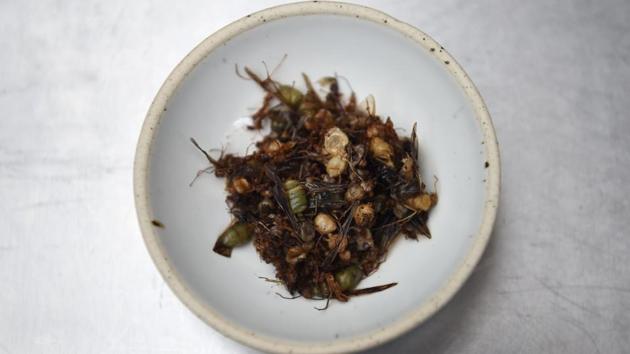
While Western culture continues to struggle to break barriers around edible insects as part of a daily diet, the custom has been prevalent in most parts of Asia-Pacific for ages. The region is comprised of various cultural groups that embraced insects in their diet, determined mostly by economic considerations shaping dietary preferences. While mostly common among the ‘lower class’ in the past, insect cuisine now is slowly making its way into the menus of high end restaurants in Bangkok. (Lillian Suwanrumpha / AFP)
2/10
 View Photos in a new improved layout
Updated on Aug 30, 2017 12:59 PM
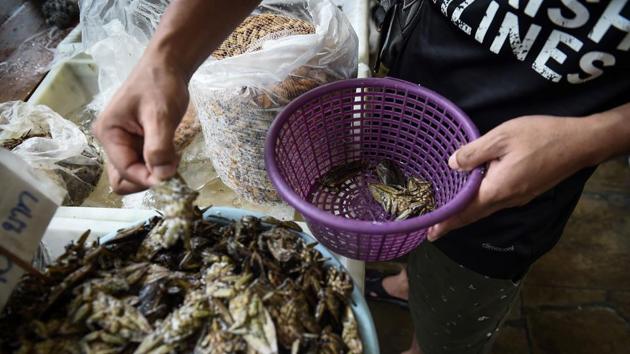
Abundant and stacked with protein, insects have long been a favourite snack among Thai farmers. But they have often carried a negative image, perceived as ‘food for the poor’ in a country with profound class divides and has even internal struggles to break from the barriers of the so called ‘other.’ (Lillian Suwanrumpha / AFP)
3/10
 View Photos in a new improved layout
Updated on Aug 30, 2017 12:59 PM
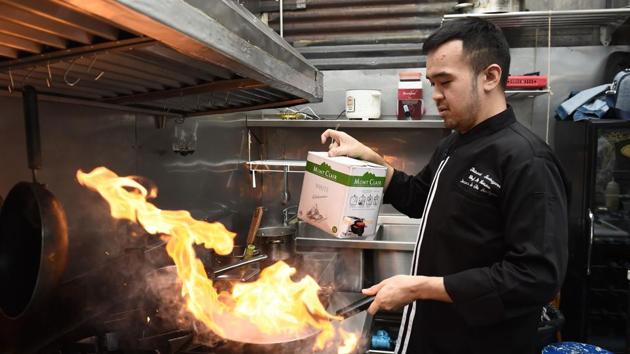
In a journal written by A.L Yen, he says that the ‘practice has become more widespread over the last few years’, partly due to demographic changes within Thailand such as the internal movement of Isaan people from north-east throughout Thailand to seek employment. Insect consumption is particularly popular in the rural northern regions, mainly due to its drought prone climate, which has created a more varied and less fussy local palate. (Lillian Suwanrumpha / AFP)
4/10
 View Photos in a new improved layout
Updated on Aug 30, 2017 12:59 PM
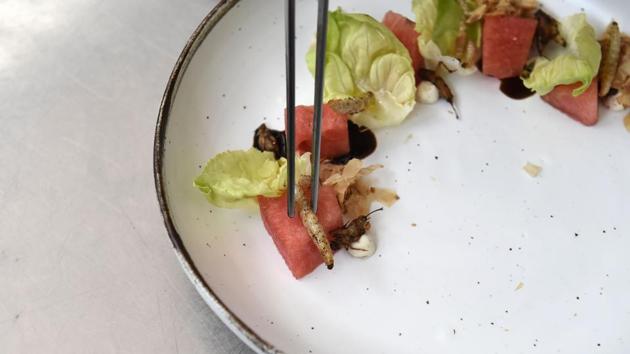
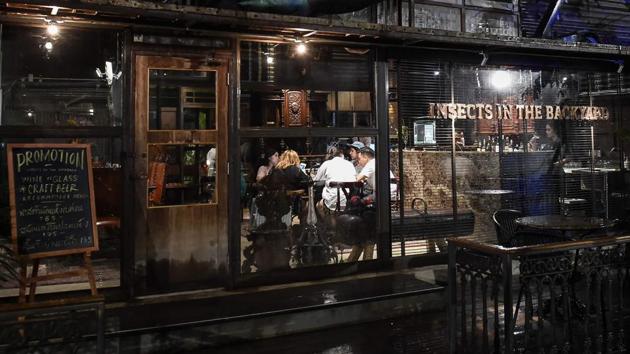
A dish made from fried bamboo caterpillars and watermelon salad inside the kitchen of Insects in the Backyard, a restaurant which says it offered the first insect-based fine-dining menu in Bangkok. Chef Thitiwat Tantragarn says the most important thing is to get the flavours right. ‘Giant water bug meat has a similar texture to crab, so that’s why I use it in the ravioli,’ he explained. Ant eggs are another favourite of his which he tends to pair with fish. (Lillian Suwanrumpha / AFP)
5/10
 View Photos in a new improved layout
Updated on Aug 30, 2017 12:59 PM
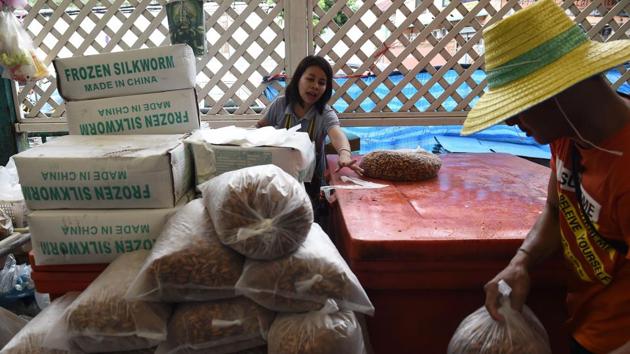
Edible insects in parts of Asia-Pacific are sourced mainly in three different methods: wild harvesting, semi domestication of insects in the wild and farming. Although semi domestication methods are more sustainable options for food supply, the market is still dominated by wild harvesting. (Lillian Suwanrumpha / AFP)
6/10
 View Photos in a new improved layout
Updated on Aug 30, 2017 12:59 PM
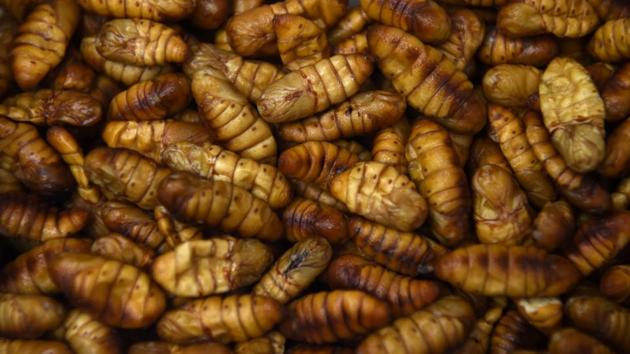
With the world’s population expected to hit 9.8 billion in 2050, many experts remain acutely concerned about how the world will feed itself as well as the environmental damage caused by so much meat being consumed. Insects require a fraction of the costs and the energy needed to farm compared to staples like chicken, pork, and beef and hence are a more sustainable alternative source to meat consumption. (Lillian Suwanrumpha / AFP)
7/10
 View Photos in a new improved layout
Updated on Aug 30, 2017 12:59 PM
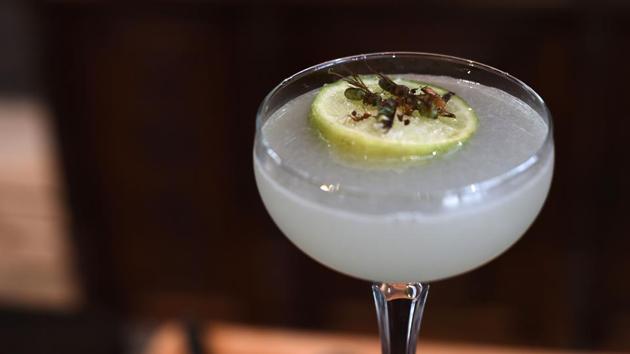
For people in the central part of the country that is fertile all year long, insects are eaten more as a snack, often deep fried and served with seasoning or spicy sauce. Massimo Reverberi, an Italian entrepreneur says that he looks for ways to use insects in everyday food items like chips and energy bars. Their current product is a pasta made from cricket flour, which is now sold by a small number of outlets in Japan and New Zealand, but not yet Thailand. (Lillian Suwanrumpha / AFP)
8/10
 View Photos in a new improved layout
Updated on Aug 30, 2017 12:59 PM
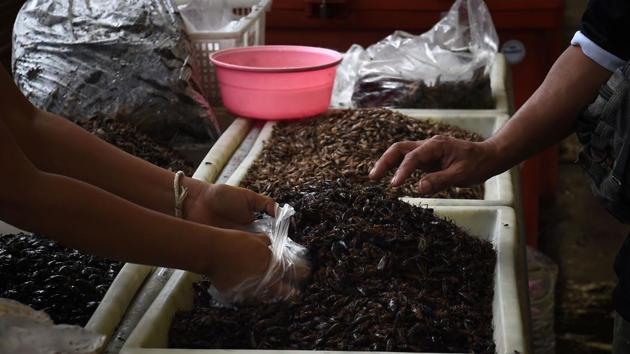
In a paper published by FAO Regional Office for Asia and the Pacific, it says,‘Cricket farming has developed into a significant animal husbandry sector and is the main source of income for a number of farmers in Thailand’ with more than 20,000 farms currently active. (Lillian Suwanrumpha / AFP)
9/10
 View Photos in a new improved layout
Updated on Aug 30, 2017 12:59 PM
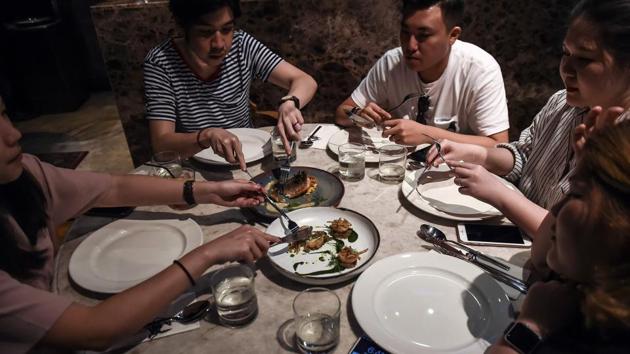
Co-founder Regan Suzuki Pairojmahakij says insects are more than just a gastronomic trend -they are a potential panacea for an increasingly crowded and meat hungry world. ‘I’ve been working in the climate change, natural resource management fields for a number of years, and a big part of it has been the search for the sustainable forms of protein, food and supply chain’, she told AFP. (AFP)
10/10
 View Photos in a new improved layout
Updated on Aug 30, 2017 12:59 PM


