
 E-Paper



Photos: Muslims in China’s Little Mecca fear state sponsored repression
China governs Xinjiang, a majority Muslim region in its far west, with an iron fist to weed out what it calls "religious extremism" and "separatism" in the wake of deadly unrest, throwing ethnic Uighurs into shadowy re-education camps without due process for minor infractions such as owning a Quran or even growing a beard. And now, In what locals told AFP they fear is a deliberate move to eradicate Islam, the atheist ruling Communist Party has banned minors under 16 from religious activity or study in Linxia, another deeply Islamic region in western China.
Updated on: Jul 17, 2018 9:32 AM IST

Share via


Copy link

1/11
 View Photos in a new improved layout
Updated on Jul 17, 2018 9:32 AM
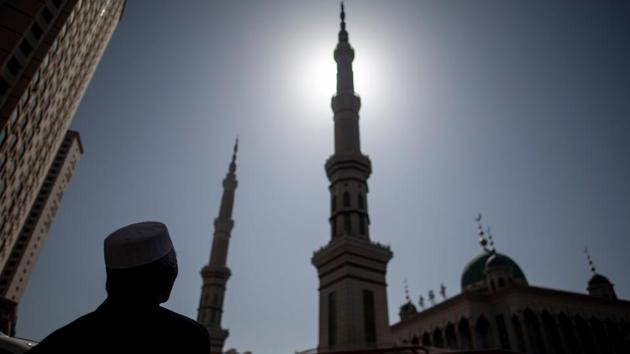
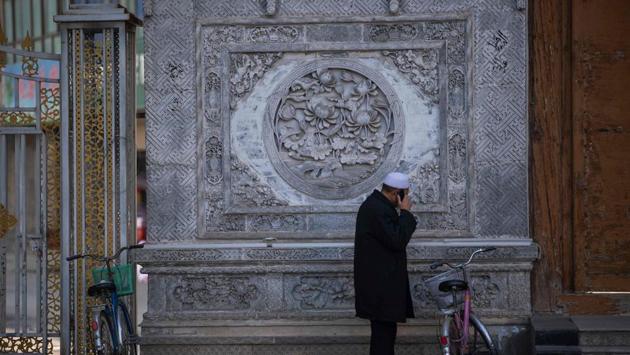
An ethnic Hui Muslim man stands in front of Laohuasi Mosque after Friday prayers in Linxia, Gansu province. Green-domed mosques still dominate the skyline of China’s “Little Mecca”, but they have undergone a profound change -- no longer do boys flit through their stone courtyards en route to classes and prayers. (Johannes Eisele / AFP)
2/11
 View Photos in a new improved layout
Updated on Jul 17, 2018 9:32 AM
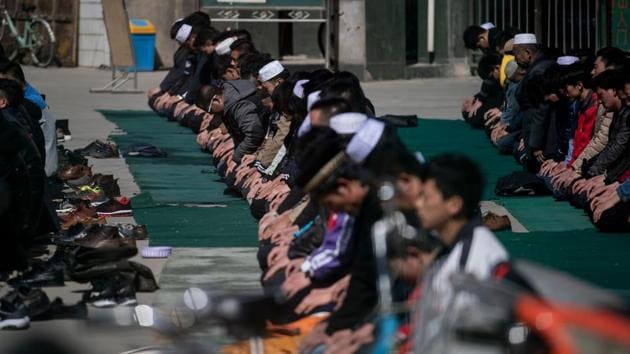
In what locals told AFP they fear is a deliberate move to eradicate Islam, the atheist ruling Communist Party has banned minors under 16 from religious activity or study in Linxia, a deeply Islamic region in western China that had offered a haven of comparative religious freedom for the ethnic Hui Muslims there. (Johannes Eisele / AFP)
3/11
 View Photos in a new improved layout
Updated on Jul 17, 2018 9:32 AM
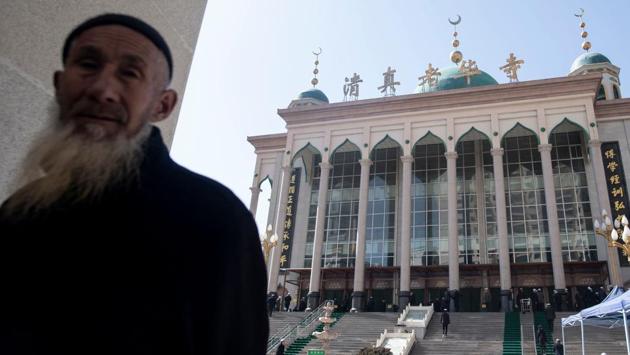
China governs Xinjiang, another majority Muslim region in its far west, with an iron fist to weed out what it calls “religious extremism” and “separatism” in the wake of deadly unrest, throwing ethnic Uighurs into shadowy re-education camps without due process for minor infractions such as owning a Quran or even growing a beard. Now, Hui Muslims fear similar surveillance and repression. (Johannes Eisele / AFP)
4/11
 View Photos in a new improved layout
Updated on Jul 17, 2018 9:32 AM
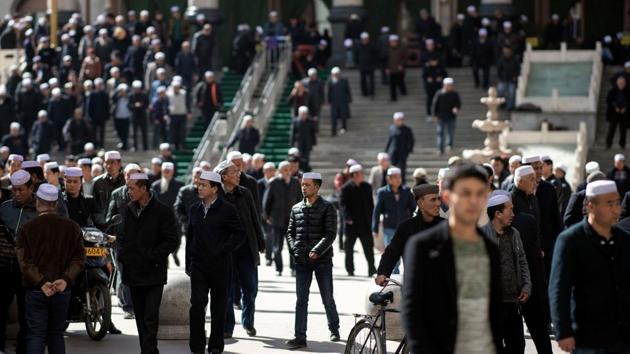
“The winds have shifted” in the past year, explained a senior imam speaking anonymously, adding: “Frankly, I’m very afraid they’re going to implement the Xinjiang model here.” Local authorities have also instructed mosques to display national flags and stop sounding the call to prayer to reduce “noise pollution” -- with loudspeakers removed entirely from all 355 mosques in a neighbouring county. (Johannes Eisele / AFP)
5/11
 View Photos in a new improved layout
Updated on Jul 17, 2018 9:32 AM
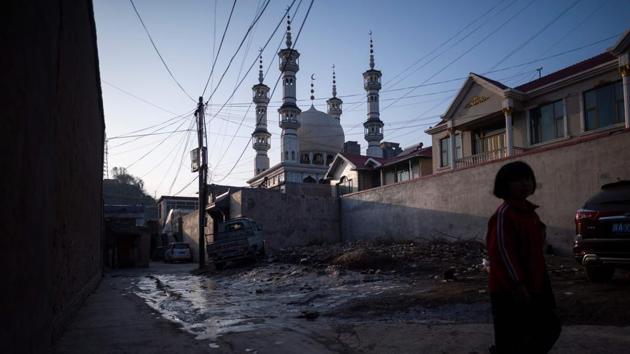
Parents were told the ban on extracurricular Quranic study was for their children’s own good, so they could rest and focus on secular coursework. “We’re scared, very scared. If it goes on like this, after a generation or two, our traditions will be gone,” said Ma Lan, a 45-year-old caretaker. Her son dreams of being an imam, but his schoolteachers have encouraged him to make money and become a Communist cadre. (Johannes Eisele / AFP)
6/11
 View Photos in a new improved layout
Updated on Jul 17, 2018 9:32 AM
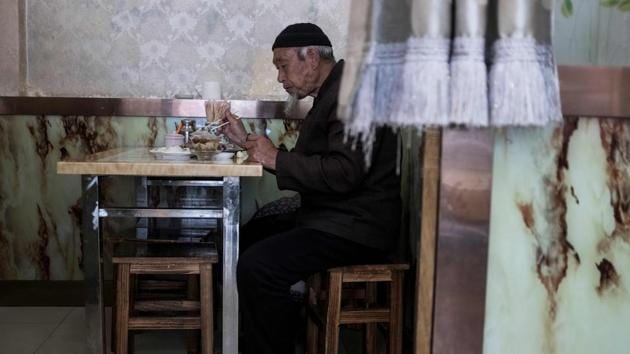
The Hui number nearly 10 million, half of the country’s Muslim population, according to 2012 government statistics. In Linxia, they have historically been well integrated with the ethnic Han majority, able to openly express their devotion and centre their lives around their faith. (Johannes Eisele / AFP)
7/11
 View Photos in a new improved layout
Updated on Jul 17, 2018 9:32 AM
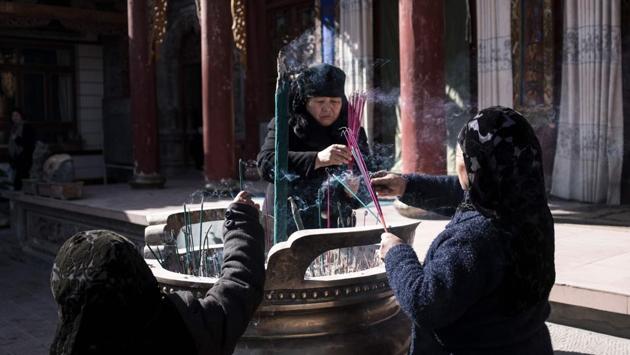
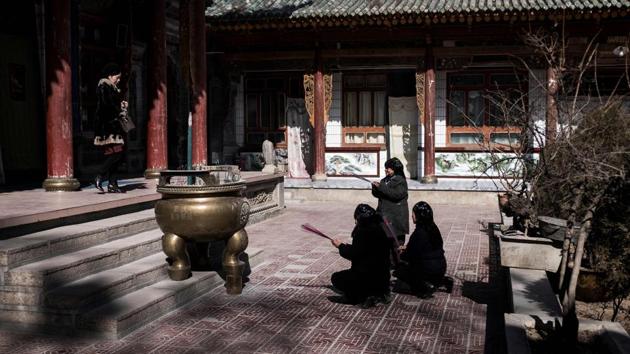
Ethnic Hui Muslim women praying in a courtyard at a religious site in Linxia. Women in headscarves dish out boiled lamb in mirror-panelled halal eateries while streams of white-hatted men meander into mosques for afternoon prayers, passing shops hawking rugs, incense and “eight treasure tea,” a local speciality including dates and dried chrysanthemum buds. (Johannes Eisele / AFP)
8/11
 View Photos in a new improved layout
Updated on Jul 17, 2018 9:32 AM
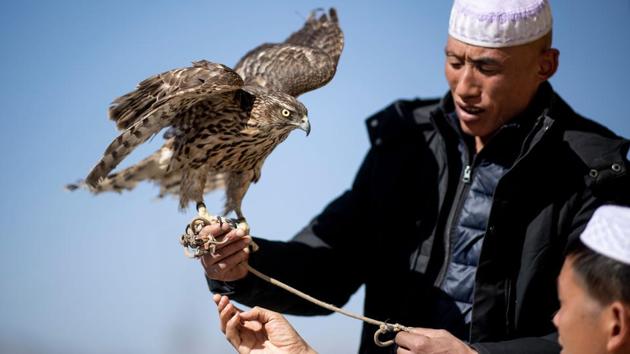
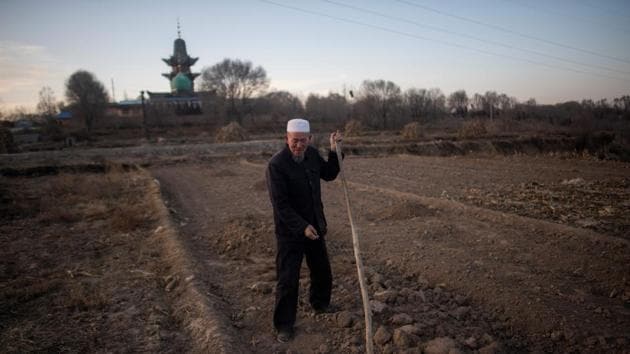
A Hui Muslim man holds a raptor on a rope in the suburbs of Linxia. In January, local officials signed a decree -- obtained by AFP -- pledging to ensure that no individual or organisation would “support, permit, organise or guide minors towards entering mosques for Quranic study or religious activities”, or push them towards religious beliefs. (Johannes Eisele / AFP)
9/11
 View Photos in a new improved layout
Updated on Jul 17, 2018 9:32 AM
A Hui man inside a mosque in Guanhe. Imams were asked to comply in writing, and just one refused, earning fury from officials and embarrassment from colleagues, who have since shunned him. “It feels like we are slowly moving back towards the repression of the Cultural Revolution,” a nationwide purge from 1966 until 1976 when local mosques were dismantled or turned into donkey sheds, he said. (Johannes Eisele / AFP)
10/11
 View Photos in a new improved layout
Updated on Jul 17, 2018 9:32 AM
“For now, there are enough of us, but I fear for the future. Even if there are still students, there won’t be anyone of quality to teach them,” said one imam. Beijing is targeting minors “as a way to ensure that faith traditions die out while also maintaining the government’s control over ideological affairs,” charged William Nee, China researcher at Amnesty International. (Johannes Eisele / AFP)
11/11
 View Photos in a new improved layout
Updated on Jul 17, 2018 9:32 AM


