
 E-Paper



Photos: Pakistani porters, the unsung masters of the nation’s peaks
He is the only man ever to have scaled K2 three times, but Fazal Ali's achievements have gone largely unrecognised, like those of many of his fellow porters who risk life and limb on Pakistan's highest peaks. While foreign climbers have won plaudits for their feats, Ali and his colleagues are overlooked, even in the mountaineering community. Chosen for their endurance and knowledge of the extremely difficult terrain, the porters trace the route, fix ropes, carry supplies and pitch their clients' tents. However, once the mountaineers return home, the porters -- indispensable during expeditions -- often feel forgotten.
Updated on: Nov 06, 2018 9:58 AM IST

Share via


Copy link

1/10
 View Photos in a new improved layout
Updated on Nov 06, 2018 9:58 AM
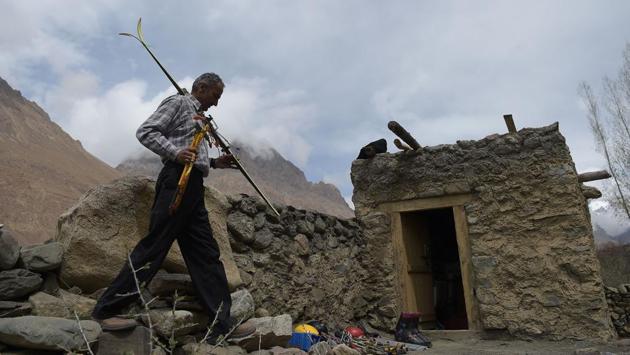
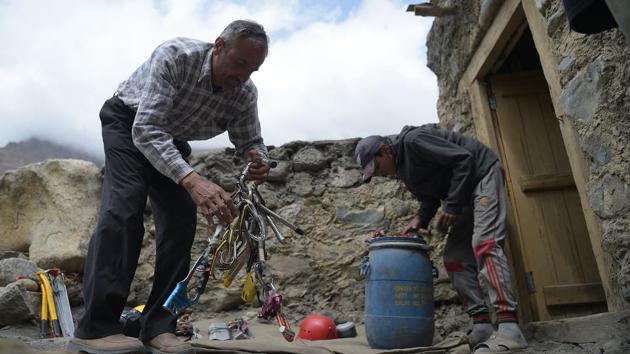
Rehmatullah Baig, who climbed and measured K-2 in 2014 for the first time after the mountain’s initial discovery, arranges mountaineering gear at his home in Shimshal village, Hunza valley, Pakistan. At 8,611 metres, K2 is not quite as high as Mount Everest’s 8,848 metres, but its technical challenges have earned it the nickname “the Savage Mountain” and dozens have lost their lives on its treacherous flanks. (Aamir Qureshi / AFP)
2/10
 View Photos in a new improved layout
Updated on Nov 06, 2018 9:58 AM
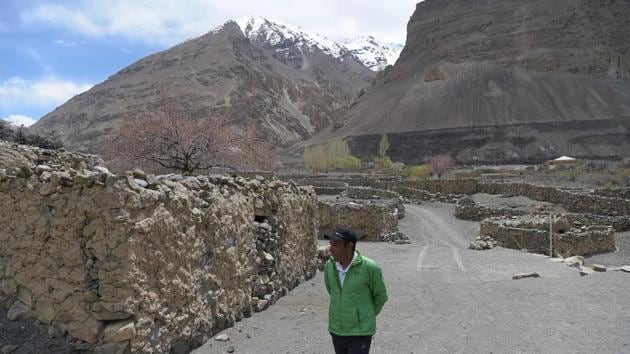
He is the only man ever to have scaled K2 three times, but Fazal Ali’s achievements have gone largely unrecognised, like many of his fellow porters who risk life and limb on Pakistan’s highest peaks. As one of the few elite porters in the country specialising in high-altitude expeditions, the 40-year-old has spent nearly two decades on Pakistan’s deadliest slopes -- plotting routes, lugging kit and cooking for clients. (Aamir Qureshi / AFP)
3/10
 View Photos in a new improved layout
Updated on Nov 06, 2018 9:58 AM
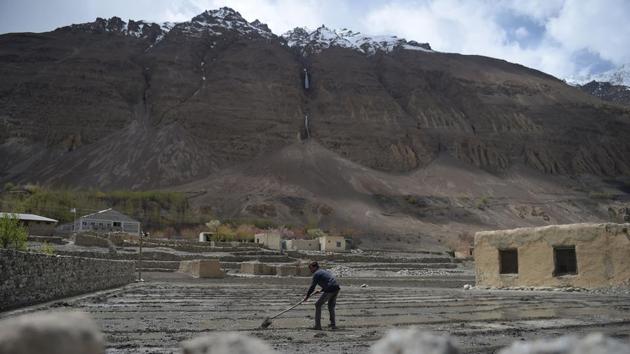
Ali conquered K2 in 2014, 2017 and 2018 -- all without additional oxygen. Chosen for their endurance and knowledge of terrain, porters trace the route, fix ropes and also carry supplies. However, once the mountaineers return home, the porters often feel forgotten. “When they arrive, they are full of goodwill, they make many promises,” Ali said. “But once they’ve achieved their goals, they forget everything.” (Aamir Qureshi / AFP)
4/10
 View Photos in a new improved layout
Updated on Nov 06, 2018 9:58 AM
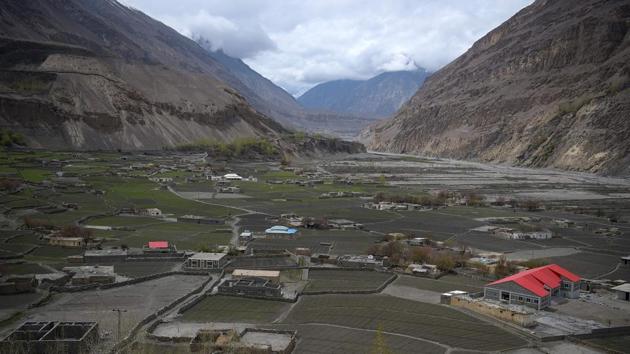
Ali, like many Pakistani high-altitude porters, was born in the remote Shimshal Valley. Home to just 140 families, Ali’s village has produced many of the country’s greatest mountaineers, including Rajab Shah, the first Pakistani to scale all five 8,000-metre peaks in the country. (Aamir Qureshi / AFP)
5/10
 View Photos in a new improved layout
Updated on Nov 06, 2018 9:58 AM
Rehmatullah Baig shares Ali’s resentment. “If I were recognised, if the mountaineers from... Pakistan were recognised, or if they enjoyed a bit of recognition or financial assistance, they would climb all the 8,000-metre peaks of the world,” he said. Baig’s father was the first from Shimshal to pursue the deadly pursuit of mountaineering, but he now tells his children not to follow in his footsteps. (Aamir Qureshi / AFP)
6/10
 View Photos in a new improved layout
Updated on Nov 06, 2018 9:58 AM
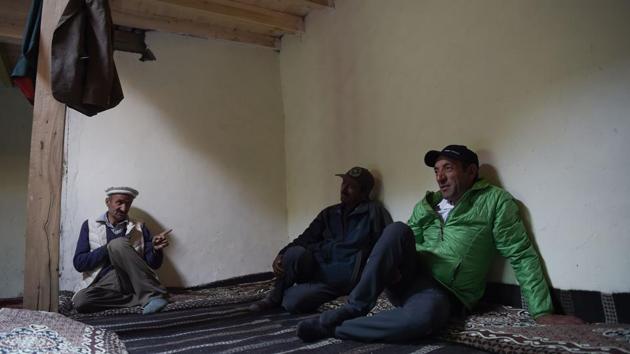
A major source of resentment among Ali and his colleagues is their belief that they are treated worse than their Nepali counterparts. In the event of an accident, local guides in Nepal are eligible for approximately $12,700 in life insurance from the government. High-altitude porters in Pakistan meanwhile are lucky to get policies worth $1,500, according to the Alpine Club of Pakistan. (Aamir Qureshi / AFP)
7/10
 View Photos in a new improved layout
Updated on Nov 06, 2018 9:58 AM
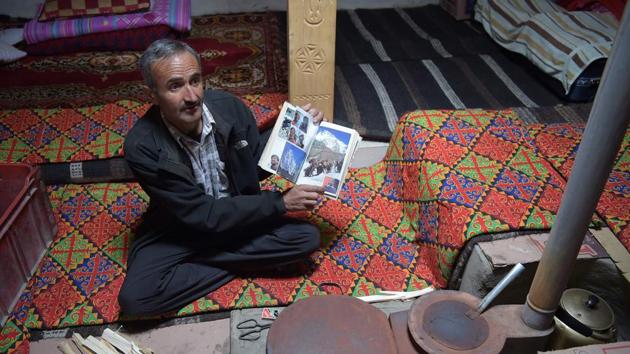
Baig shows a photo album at his home in Shimshal. Mountaineering experts agree there is a disparity and believe the Pakistani workers should be better trained and supported by the government. German mountaineer Christiane Fladt, who wrote a book on Shimshal, says the Pakistani porters “should organise themselves in a union in order to put stress on their financial demands”. (Aamir Qureshi / AFP)
8/10
 View Photos in a new improved layout
Updated on Nov 06, 2018 9:58 AM
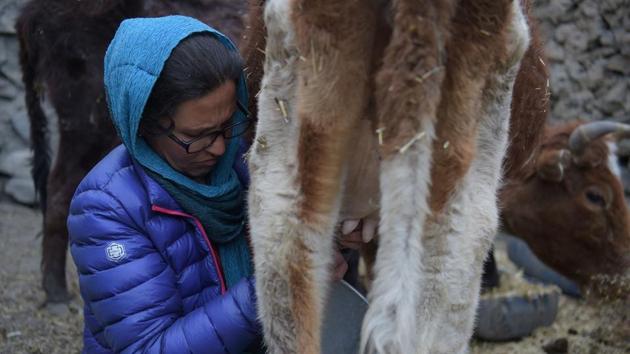
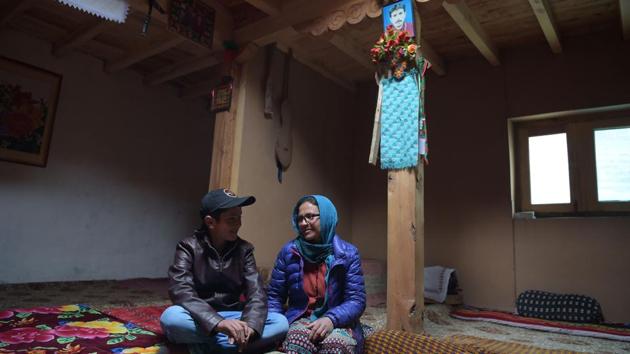
In 2008, two Shimshal porters were among 11 people who died on the same day in the worst disaster to hit K2. One of them, Fazal Karim, fell alongside the French mountaineer Hugues d’Aubarede as they descended from the summit. Karim’s body was never found. His widow, Haji Parveen, said she tried her best to dissuade him from going on an expedition. (Aamir Qureshi / AFP)
9/10
 View Photos in a new improved layout
Updated on Nov 06, 2018 9:58 AM
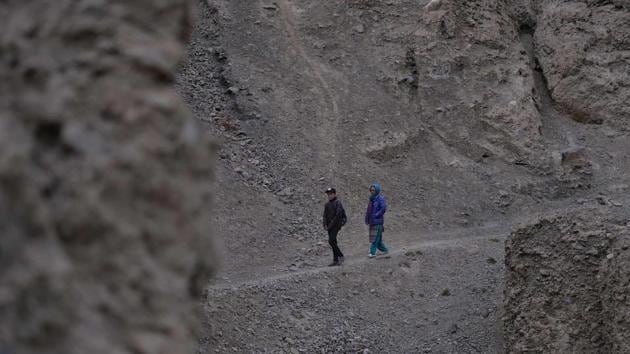
“I told him, ‘We have a good life here and we have enough to live’, but he did not listen to me,” she said softly. Karim was a skilled worker, owner of a sawmill in the village, where he had also opened a shop for his wife. After his disappearance, his widow had to sell the mill to finance her children’s education. According to Parveen, neither the expedition company nor the foreign mountaineers on the trip gave her any assistance. (Aamir Qureshi / AFP)
10/10
 View Photos in a new improved layout
Updated on Nov 06, 2018 9:58 AM


