
 E-Paper



Photos: Survival is a flippin’ hard fight for Myanmar’s sea turtles
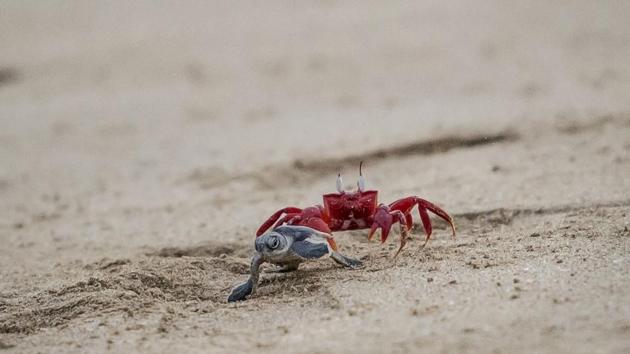
Myanmar's waters boast five of the world's seven sea turtle species, including the critically endangered hawksbill, the endangered green turtle and the olive ridley, leatherback and loggerhead turtles -- all listed as vulnerable. And for the hundreds of young turtles that hatch from each nest along the nation’s shores, the dangers to survival are rife from the get go. If crabs don't get them before they scramble from beach to sea, then poachers or fishing trawlers might finish them off instead.
Updated on: Nov 03, 2018 9:42 AM IST

Share via


Copy link

1/11
 View Photos in a new improved layout
Updated on Nov 03, 2018 9:42 AM
A crab chases a newborn green turtle after being released at a beach on Thameehla Island, Myanmar. Peril plagues the young life of a baby turtle in Myanmar; if the crabs don't get them before they scramble from the beach to the sea, poachers or fishing trawlers may do - while habitat destruction also decimates their numbers. (Ye Aung Thu / AFP)
2/11
 View Photos in a new improved layout
Updated on Nov 03, 2018 9:42 AM
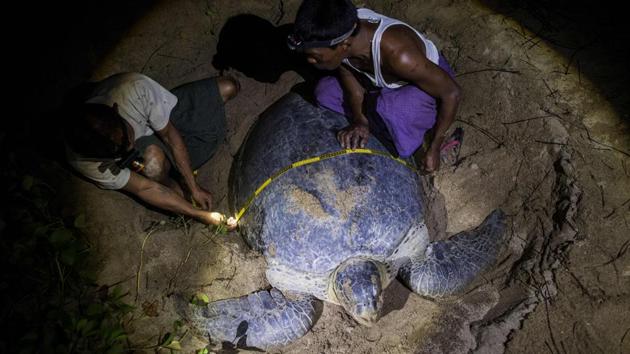
Myanmar’s waters boast five of the world’s seven sea turtle species, including the critically endangered hawksbill, the endangered green turtle and the olive ridley, leatherback and loggerhead turtles -- all listed as vulnerable. (Ye Aung Thu / AFP)
3/11
 View Photos in a new improved layout
Updated on Nov 03, 2018 9:42 AM
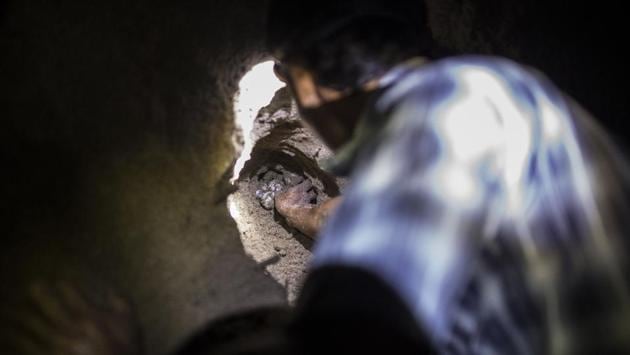
A ranger collects green turtle eggs from a nesting ground at a beach on Thameehla Island. “If we don’t conserve the turtles properly, they will all disappear in the near future,” head ranger Phone Maw told AFP on Thameehla island in the Ayeyarwaddy Delta. (Ye Aung Thu / AFP)
4/11
 View Photos in a new improved layout
Updated on Nov 03, 2018 9:42 AM
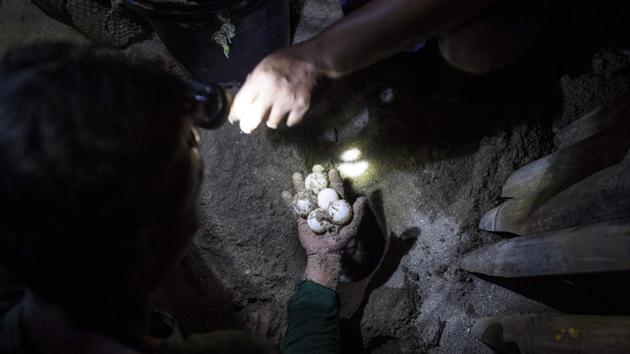
Rangers collect green turtle eggs from a nesting ground. The 56-year-old has devoted most of the last two decades to the creatures, scouring the island’s 1.5-mile (2.5-kilometre) long coastline three times a night for nesting females. (Ye Aung Thu / AFP)
5/11
 View Photos in a new improved layout
Updated on Nov 03, 2018 9:42 AM
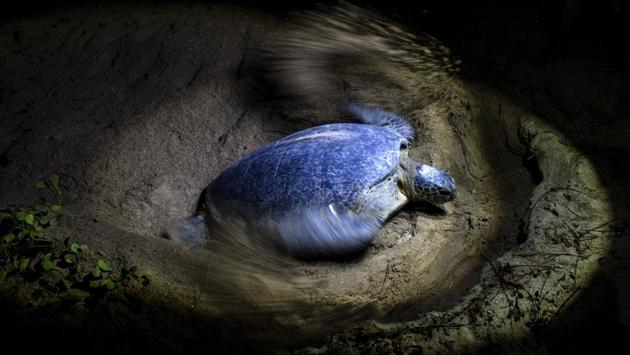
The reptiles, which can grow to more than a metre in length and weigh as much as a large piano, lay around 100 eggs in a hole dug with their hind flippers before covering the clutch with sand and returning to the water. (Ye Aung Thu / AFP)
6/11
 View Photos in a new improved layout
Updated on Nov 03, 2018 9:42 AM
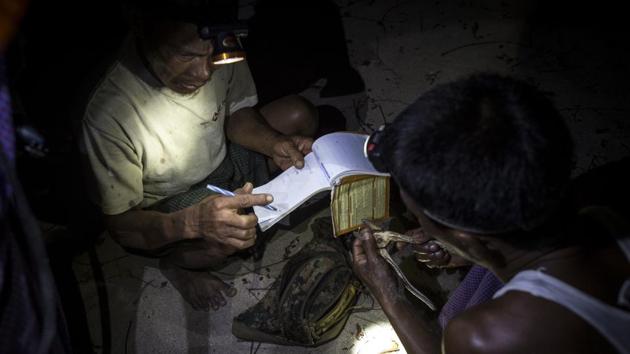
Rangers keep notes near a green turtle nesting ground on Thameehla Island. Poachers are the first danger, even at this conservation site dedicated to the marine reptiles. Turtle eggs can sell for a dollar each, around 10 times the price of a chicken egg. (Ye Aung Thu / AFP)
7/11
 View Photos in a new improved layout
Updated on Nov 03, 2018 9:42 AM
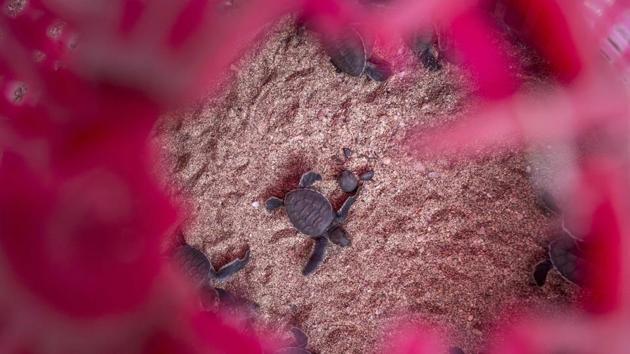
So Phone Maw and his colleagues dig up the newly laid eggs and rebury them in a protected area until they hatch 50 to 60 days later. Putting them back at the right depth is crucial. Sea turtles have temperature-dependent sex determination -- warmer temperatures produce more females while cooler temperatures result in more males. (Ye Aung Thu / AFP)
8/11
 View Photos in a new improved layout
Updated on Nov 03, 2018 9:42 AM
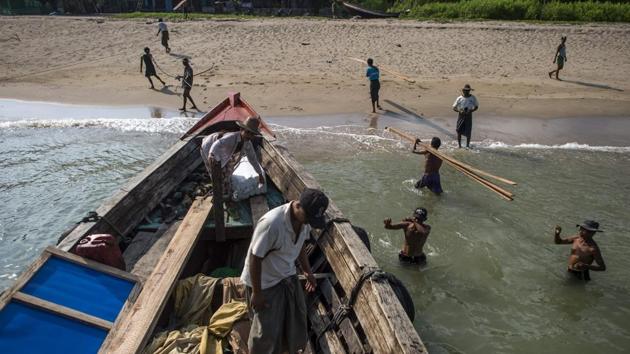
Rangers and boatmen unload supplies at a beach on Thameehla Island. Once hatched, the rangers release the baby turtles onto the beach and into the sea, where myriad predators await. But trawler nets are the biggest culprit in the turtles’ dwindling population, entangling the creatures which must surface to breathe. (Ye Aung Thu / AFP)
9/11
 View Photos in a new improved layout
Updated on Nov 03, 2018 9:42 AM
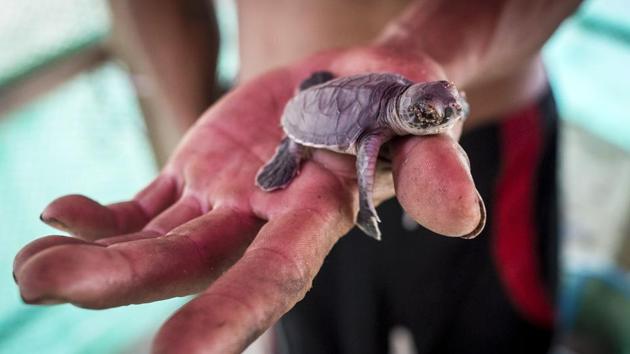
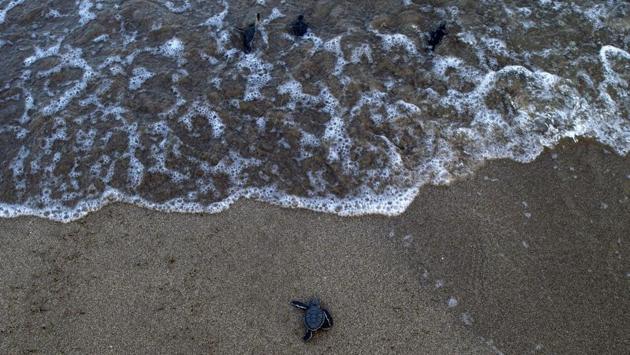
A man holds a newborn green turtle in a protected area. Illegal dynamite fishing and sand dredging are also lethal and the effect of marine pollution has been devastating. AFP watched as an army of red crabs scuttled to drag away some hatchlings while more fortunate siblings floundered to the frothy waters, the first hurdle of their existence complete. (Ye Aung Thu / AFP)
10/11
 View Photos in a new improved layout
Updated on Nov 03, 2018 9:42 AM
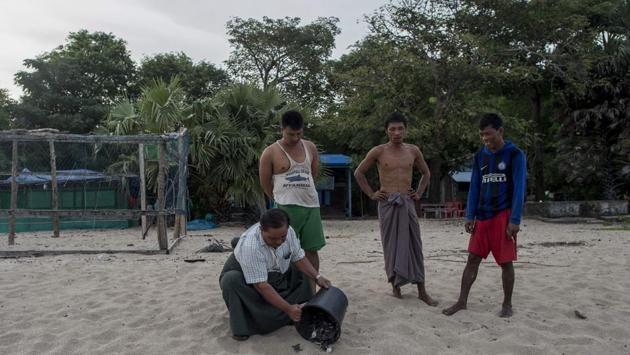
Ranger Phone Maw (L) releases newborn green turtles. Southeast Asia’s waters are choked with plastic and more than half of the eight million tonnes dumped into the world’s oceans each year comes from just China, Indonesia, the Philippines, Vietnam and Thailand. In June, a dead green turtle washed up on a Thai beach, its stomach jammed with plastic shreds, rubber bands and other debris. (Ye Aung Thu / AFP)
11/11
 View Photos in a new improved layout
Updated on Nov 03, 2018 9:42 AM


