
 E-Paper



Photos: Tanzania’s Zanzibar brings traditional healers into legal fold
Zanzibar's traditional healers with their toolkits of herbs, holy scriptures and massages are being registered by authorities keen to regulate the practitioners who treat everything from depression to hernias. About 340 healers have been registered from an estimated 2,000 since Zanzibar, a region of the east African country of Tanzania, passed the Traditional and Alternative Medicine Act in 2009. And while progress is being made, overstretched doctors and nurses in government facilities and the patients’ inability to afford the medicines prescribed leads to relapses, suspicion and the cementing of thought that simply djinns are the real problem.
Updated on: Sep 17, 2019 3:55 PM IST

Share via


Copy link

1/13
 View Photos in a new improved layout
Updated on Sep 17, 2019 3:55 PM
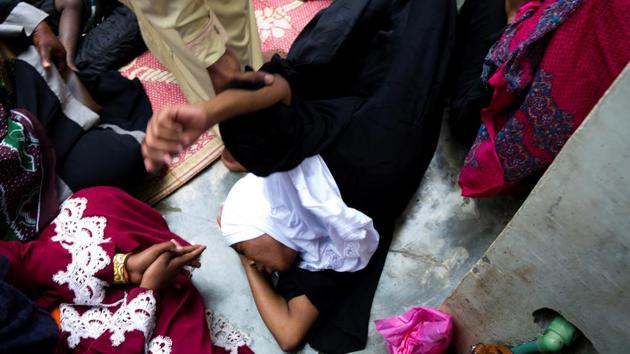
A sheikh at the Shifaa Herbal clinic holds onto a woman who is treated for what she believes is possession by supernatural sprits like djinns, in Zanzibar City, Tanzania. There are more healers, or mgangas, from the ones already accounted for hoping to register, said Hassan Combo, the government registrar at the council that records them. (Nichky Woo / REUTERS)
2/13
 View Photos in a new improved layout
Updated on Sep 17, 2019 3:55 PM
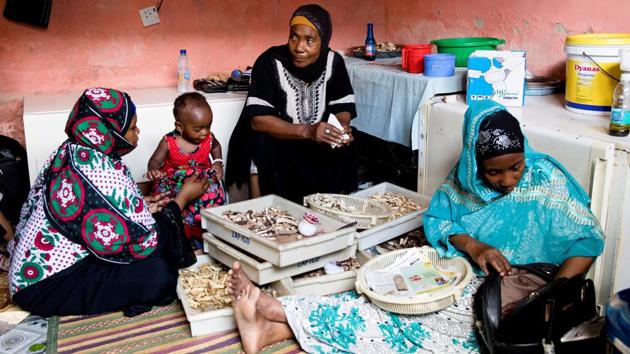
Traditional healer Bi Mwanahija Mzee (C), 56, folds root medicine in a piece of paper to give to a mother who complains of her child's constipation. “People come here because I actually help them. I met many patients that went to hospital first and got no help or the medicine didn't work,” said Mwanahija Mzee. “This is my job six days a week for more than 20 years so I do better, know more than them. Patients that come to me don't die.” (Nicky Woo / REUTERS)
3/13
 View Photos in a new improved layout
Updated on Sep 17, 2019 3:55 PM
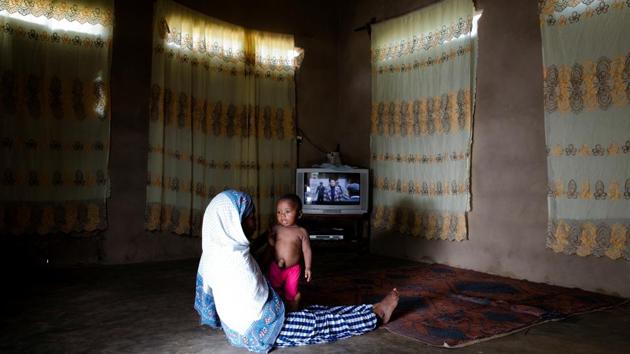
Nadra holds her eight-month-old child Muhammad Ali, in their living room in Zanzibar City. Nadra took Muhammad to Bi Mwanahija Mzee who is already registered, to seek relief for her child suffering from an umbilical hernia. She initially took him to hospital, but is scared that if she brings the child to hospital for surgery he will die. (Nicky Woo / REUTERS)
4/13
 View Photos in a new improved layout
Updated on Sep 17, 2019 3:55 PM
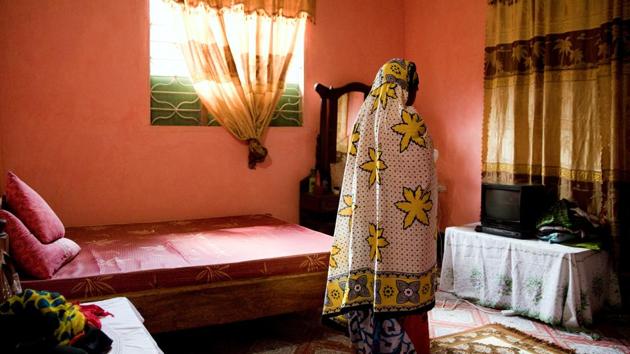
Bi Mwanahija Mzee prays in her bedroom. Her parents were also traditional healers in Zanzibar, an archipelago in the Indian Ocean. To be registered, mgangas must be aged at least 18, have at least three years of experience and have a recommendation letter from a trained mganga. A council of 11 members that can include birth attendants, respected healers, village elders and lawyers approve the applications each month. (Nicky Woo / REUTERS)
5/13
 View Photos in a new improved layout
Updated on Sep 17, 2019 3:55 PM
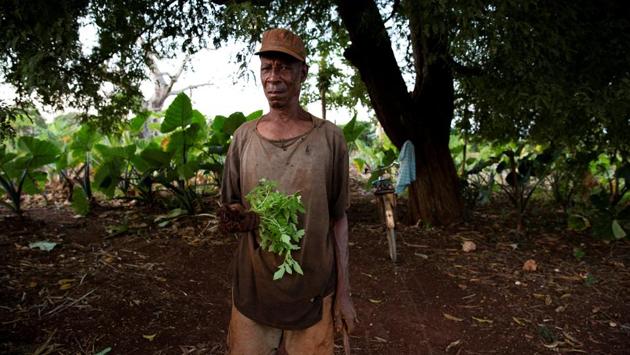
Traditional healer Sahihi Mrisho 67, holds medicinal roots in Makunduchi village, in Zanzibar City. He grows and forages most of the medicines he uses in his practice and was trained by his parents who were both healers. (Nicky Woo / REUTERS)
6/13
 View Photos in a new improved layout
Updated on Sep 17, 2019 3:55 PM
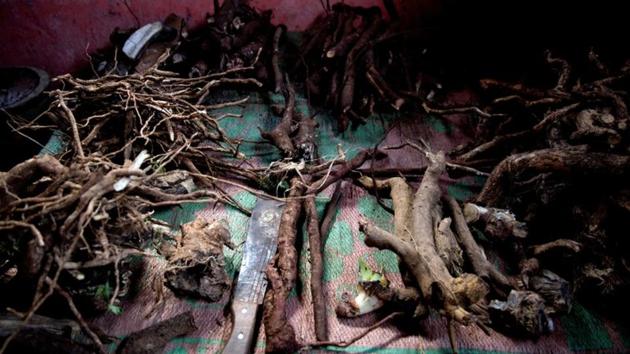
Roots and herbs sit on a table waiting to be cut into smaller pieces and given as medicine to patients at Mwanahija Mzee’s clinic. While the government does not try to dictate healers’ methods, it tries to work with them on quality control, government registrar Combo said, for example ensuring plants used in medicines are of the same standard. (Nicky Woo / REUTERS)
7/13
 View Photos in a new improved layout
Updated on Sep 17, 2019 3:55 PM
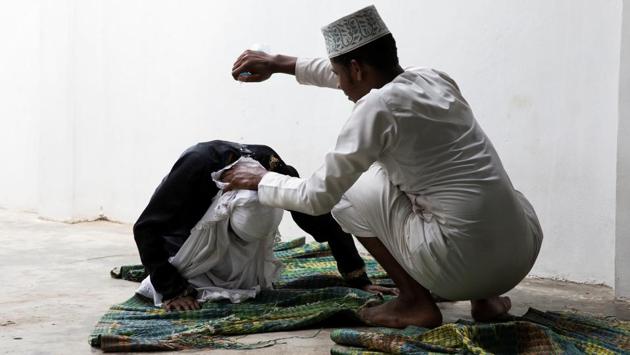
A sheikh tries to rouse a woman by pouring water on her neck in Zanzibar City. The woman believes she is possessed by supernatural spirits like djinns. A group facilitated by the registrars office links doctors with traditional healers to give them some medical education on specific diseases like hypertension, diabetes and pregnancy. The mgangas share information with the doctors about patient statistics and needs, he said. (Nicky Woo / REUTERS)
8/13
 View Photos in a new improved layout
Updated on Sep 17, 2019 3:55 PM
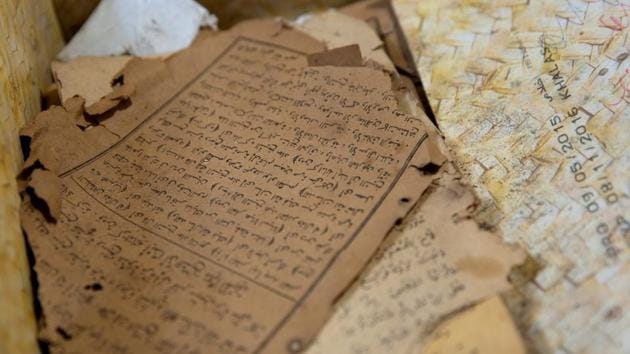
Worn pages of the Quran used in bestowing blessings seen at a traditional healer’s clinic, in Jambiani village, Zanzibar City. Some healers use herbs. Others use scriptures from the Muslim holy book, the Quran. Most use both. Belief in supernatural sprits like djinns features strongly. (Nicky Woo / REUTERS)
9/13
 View Photos in a new improved layout
Updated on Sep 17, 2019 3:55 PM
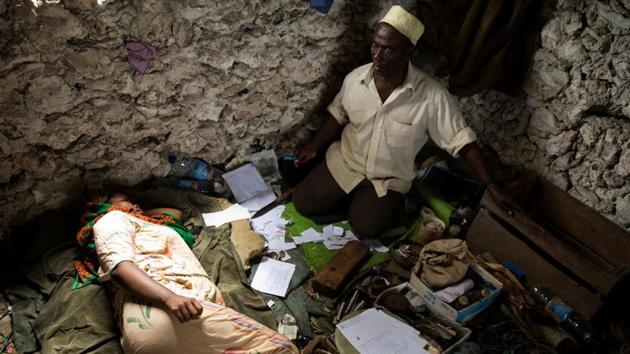
Traditional healer Haji Mrisho speaks with pregnant patient Hidaya Rayabu, 22, at his office in Zanzibar City. Some healers, like Mrisho, mainly give blessings to pregnant women to prevent their unborn babies being possessed by djinns. Others, like sheikhs at the Shifaa Herbal clinic, read the Quran to cast out the djinns blamed for many maladies. (Nicky Woo / REUTERS)
10/13
 View Photos in a new improved layout
Updated on Sep 17, 2019 3:55 PM
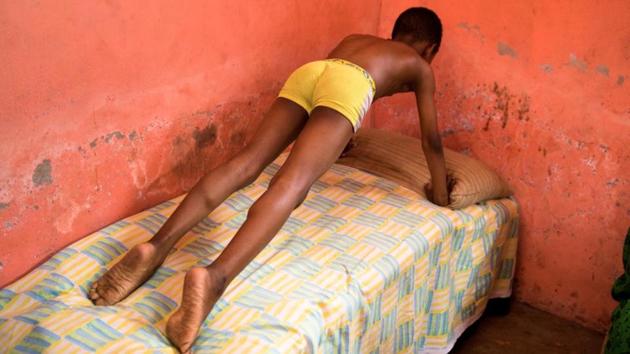
Murtazha Hamis, 11, brought in after suffering a stroke resulting in partial paralysis, does push-ups at Mwanahija Mzee's clinic.She uses a mix of massages, medicines from roots, herbs and leaves and Quranic verses, which may be written on a plate in red food colouring. The plate is then rinsed, and the water ingested as part of the medicinal regimen. (Nicky Woo / REUTERS)
11/13
 View Photos in a new improved layout
Updated on Sep 17, 2019 3:55 PM
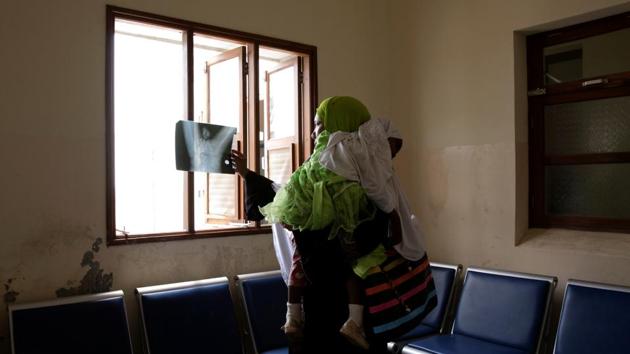
Fatma Hamad holds her two-year-old daughter, Khadija, while examining her x-rays at Mnazi Mmoja government hospital in Zanzibar City. Hamad took her daughter to hospital after one of the toddler's legs became paralysed during a high fever. Unable to find the problem through X-rays, the hospital recommended she seek out a traditional healer. (Nicky Woo / REUTERS)
12/13
 View Photos in a new improved layout
Updated on Sep 17, 2019 3:55 PM
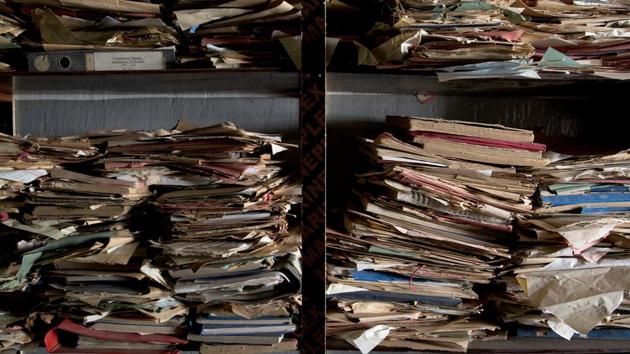
Patient files lie on shelves at Kidongo Chekundu Hospital, Zanzibar's only psychiatric ward. Some patients trust traditional healers over the overcrowded, underfunded public hospitals where many feel their ailments aren’t treated properly. Patients may also be unable to afford the medicines, or they may stop taking it before the course is finished, leading to relapse and added suspicion of government-run facilities. (Nicky Woo / REUTERS)
13/13
 View Photos in a new improved layout
Updated on Sep 17, 2019 3:55 PM


