
 E-Paper



Photos: Witnesses to violent protests, Sudan’s women dream of change
Sudanese women were a driving force during months of protests against President Omar al-Bashir's 30-year rule, before he was replaced by a military council in April. But the protests didn't stop as demonstrators demanded the military swiftly hand power to civilians, leading to a stand-off and then a crackdown. As uncertainty looms in the country, women bear testimonies to their experiences during the protests. Despite being violated, they are determined to work towards making Sudan a more free country.
Updated on: Jul 15, 2019 5:39 PM IST

Share via


Copy link

1/10
 View Photos in a new improved layout
Updated on Jul 15, 2019 5:39 PM
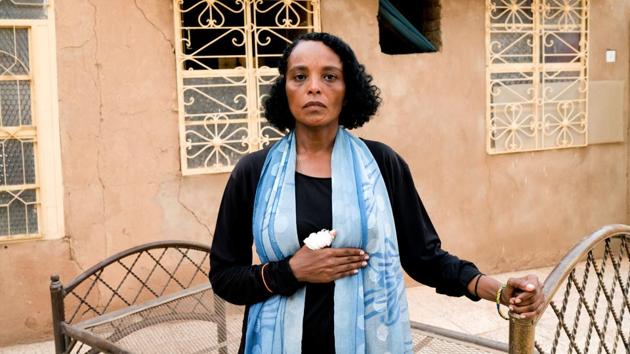
After six years abroad, political activist and blogger Khadija Saleh, 41, returned to Sudan when people took to the streets demanding change. She was at a sit-in near the Defence Ministry in Khartoum on June 3 when security forces stormed the site. The area had become a centre for anti-government protests. Saleh said she was beaten with sticks, and still wears bandages on her wounds. (Umit Bektas / REUTERS)
2/10
 View Photos in a new improved layout
Updated on Jul 15, 2019 5:39 PM
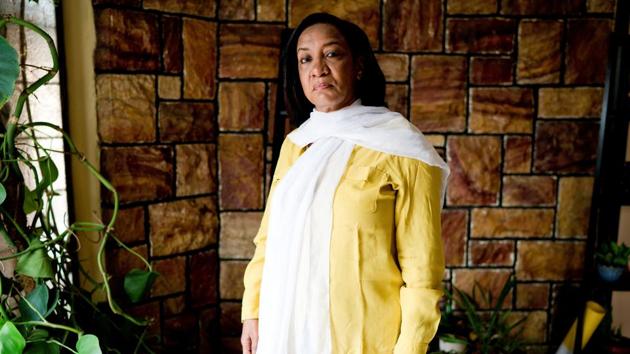
Nahid Gabralla, a 53-year-old activist, said she was beaten and threatened with rape during the June 3 raid. “Sudan can be better,” she said. “My daughter deserves to live in a nice country ... We will fight for a democratic Sudan, real change and for our rights.” Women were a driving force during months of protests against President Omar al-Bashir’s 30-year rule, before he was replaced by a military council in April. (Umit Bektas / REUTERS)
3/10
 View Photos in a new improved layout
Updated on Jul 15, 2019 5:39 PM
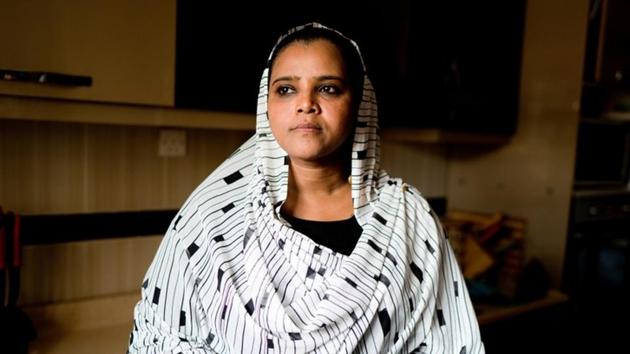
Even after Bashir’s replacement, the protests didn’t stop as demonstrators demanded the military swiftly hand power to civilians, leading to a stand-off and then a crackdown. During this, women were allegedly raped by the soldiers. “They know that if they humiliate the women, they will humiliate the whole people,” said 42-year-old activist Hadia Hasaballah. “None of the Sudanese women will officially say that they were raped because of the stigma.” (Umit Bektas / REUTERS)
4/10
 View Photos in a new improved layout
Updated on Jul 15, 2019 5:39 PM
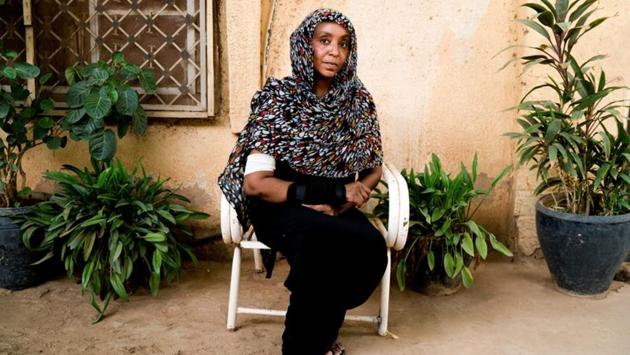
Under Bashir’s rule, women’s lives were tightly controlled by men. Morality laws meant a woman could be arrested for wearing trousers. For that reason, 35-year-old Mahi Aba-Yazid wore trousers while she campaigned for change at the sit-in. She believes she was beaten more because of her choice of fashion. “There was already a bullet in my arm. I was bleeding but they continued to beat me,” she said. (Umit Bektas / REUTERS)
5/10
 View Photos in a new improved layout
Updated on Jul 15, 2019 5:39 PM
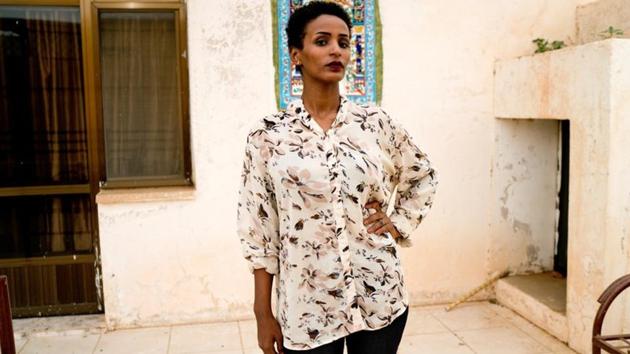
Duha Mohmed, a 23-year-old student who escaped the sit-in raid before returning to help the injured, said she also wanted a life in which she could make her own choices. “I don’t want to wear a headscarf, but it is not my choice. I want my right to wear what I want.” (Umit Bektas / REUTERS)
6/10
 View Photos in a new improved layout
Updated on Jul 15, 2019 5:39 PM
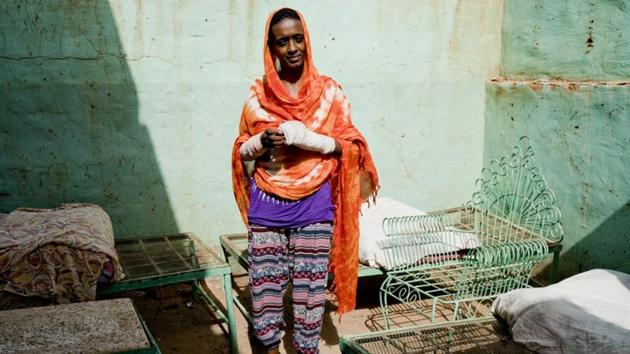
Amel Tajeldin, a 41-year-old mother of four, said she and her husband took turns watching their children. “While it was his turn to look after the children, I took part in the demonstrations,” she said. She had been teaching songs to street children in a makeshift tent at the sit-in. During the June 3 raid, they were beaten by members of Rapid Support Forces (RSF) and police, owing to which her arms are broken. (Umit Bektas / REUTERS)
7/10
 View Photos in a new improved layout
Updated on Jul 15, 2019 5:39 PM
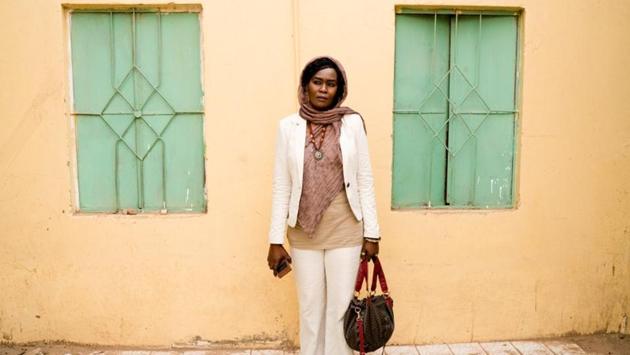
Despite the violence, Sudan’s military rulers and a coalition of opposition and protest groups agreed last week to share power for three years ahead of elections. But Nagda Mansour, a 39-year-old translator who was imprisoned for 75 days after attending a demonstration in December, said it was difficult for many to accept the idea of negotiating with the military because of its leadership’s involvement in the war in Darfur in 2003. (Umit Bektas / REUTERS)
8/10
 View Photos in a new improved layout
Updated on Jul 15, 2019 5:39 PM
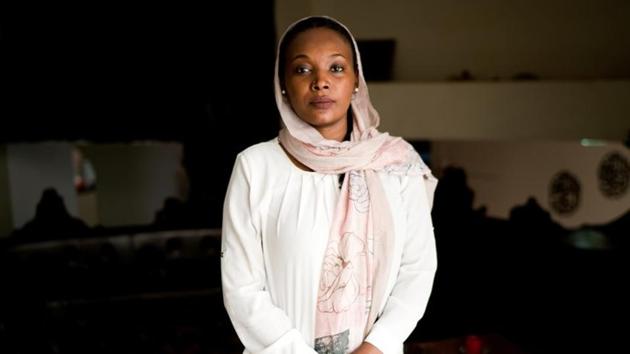
Shems Osman, 32, studied psychology in Canada. She has Canadian citizenship but she chose to return to Sudan. “I left Sudan when I was really young. When I came back, I noticed the difference between living in Sudan and living outside of Sudan. I want to change that for my country. There is always fear but I think our will to change Sudan is stronger than our sense of fear,” she said. (Umit Bektas / REUTERS)
9/10
 View Photos in a new improved layout
Updated on Jul 15, 2019 5:39 PM
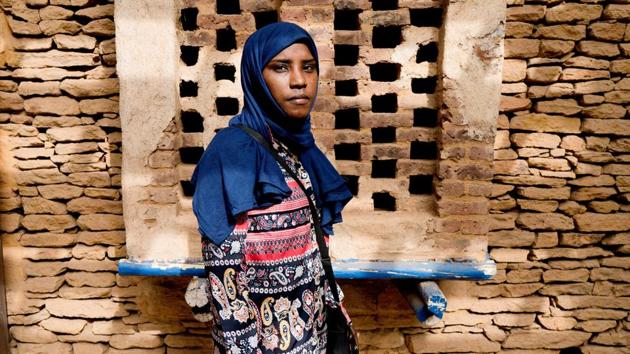
Mai Atya, 27, a musician, says, “My main objective like many others is that we believe there should be a change; a good change in a good direction. I was at the sit-in area during the raid. I heard gun shots and ran away but when I jumped over a fence a RSF soldier caught us. They kept beating us again and again ... they think women should stay at home.” (Umit Bektas / REUTERS)
10/10
 View Photos in a new improved layout
Updated on Jul 15, 2019 5:39 PM


