The Phaltan-based Nimbkar Agricultural Research Institute (Nari), which undertook path-breaking research and development, in the introduction of sweet sorghum in India , in the early 1970s, is all set to enter in its golden jubilee year on March 17.
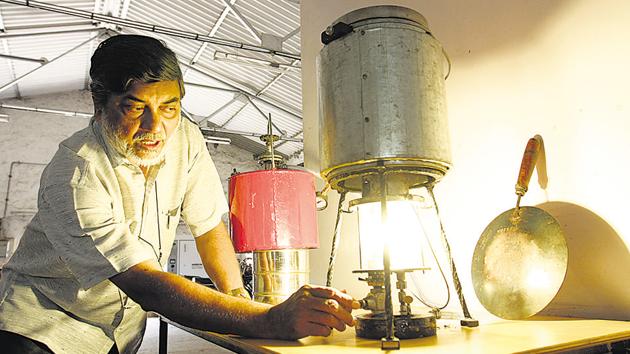
“Because of our efforts, sweet sorghum has today become the major alternative to sugarcane for ethanol production in India. Our hybrid ‘Madhura’ has been introduced, all over the country and also, in a dozen countries abroad,” said director Anil Rajvanshi on the occasion of Nari’s 50th anniversary.
The introduction of the sweet sorghum was one of the most prominent feats of Nari,among many others.The institute has planned year-long celebrations in lieu of its 50th anniversary. The inaugural address will be delivered by the chief guest, renowned scientist Raghunath Mashelkar on March 17.
Established in 1964, NARI, has been majorly focusing on agronomic research, research and development in the cultivation of cotton, cereals like maize, wheat, sorghum and pearl millet, oilseeds like safflower, castor, soyabean and sesamum, vegetables like okra and new crops like kenaf, sugarbeet and sweet sorghum in addition to technological innovation in sustainable rural development.
The institute, founded by agricultural scientist and social worker B.V. Nimbkar, has undertaken research and development in agriculture, renewable energy, animal husbandry and sustainable development. Nimbkar, who received numerous awards, including the Padma Shri, stepped down from the role of president in 1990 and was succeeded by his daughter Nandini Nimbkar. The institute is currently being led jointly by her and the institute’s director, Anil K Rajvanshi.
{{/usCountry}}The institute, founded by agricultural scientist and social worker B.V. Nimbkar, has undertaken research and development in agriculture, renewable energy, animal husbandry and sustainable development. Nimbkar, who received numerous awards, including the Padma Shri, stepped down from the role of president in 1990 and was succeeded by his daughter Nandini Nimbkar. The institute is currently being led jointly by her and the institute’s director, Anil K Rajvanshi.
{{/usCountry}}Besides developing an electric rickshaw in 1995, and Lanstove, a combined cooking and lighting device in 2008, the institute has also been credited with introducing the FecB gene for twinning into Deccani sheep and development of the prolific NARI Suwarna sheep that can increase the income of shepherds by 40% to 60%. The institute had received the CSIR award for 2007 for this innovation. “This breed has spread widely in Tumkur district of Karnataka and now also in Maharashtra,” he added.
With more than 700 publications and nine patents filed nationally and internationally on various technologies, over the last 50 years, NARI has made possible sustainable technological innovations to reach masses.
They also hold the credit of setting up the world’s first pilot plant for solar distillation of ethanol from sweet sorghum in 1987, in addition to the invention of electric cycles in the later years, which were also used in the Savitribai Phule Pune University campus.
NARI is all set to hold year-long seminars and conferences on sustainable rural technology and its development, as part of the golden jubilee celebrations.