Amol Palekar noted actor, director and producer of Hindi and Marathi cinema was honoured with the Zenith Asia Award at National Film Archive of India (NFAI) on December 25.
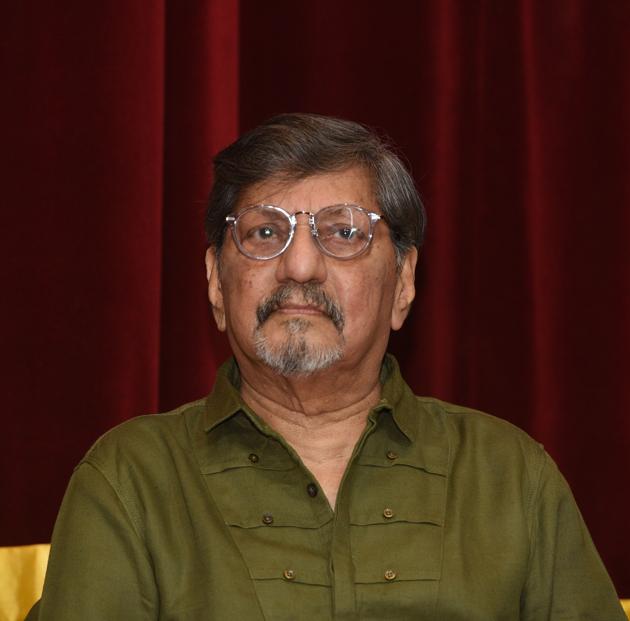
The award was given to Palekar by noted director Kumar Shahani who directed him in the film ‘Tarang’ along with Smita Patil as lead actress in 1984.
“I am appealing to all audience to accommodate a grey palette allowing ideological ambiguities and fearless dialogue,” said Amol Palekar during his acceptance speech during the event.
He also spoke on the recent controversy surrounding actor Naseeruddin Shah, who had made a statement about growing insecurity over being targeted by vigilante groups, the remarks that triggered controversy. He said, “I continue to love and respect Naseer as an actor even if the audience do not share his view on fear of violence in the country.”
While speaking about controversies surrounding films like ‘Padmaavat,’ he said, “We should look at the film as a work of art and not just incorrect portraying of history.” The audience should be more accommodative even if they do not agree with the concerts of TM Krishna and protest his idea of singing songs about Jesus and Allah, he said.
Meanwhile, while speaking about “urban Naxalism” and recent arrests of activists’ Palekar said, “Let us not succumb to the narrative of ‘urban Naxalism. The audience should not go with the follow and analyse the situation first.”
{{/usCountry}}Meanwhile, while speaking about “urban Naxalism” and recent arrests of activists’ Palekar said, “Let us not succumb to the narrative of ‘urban Naxalism. The audience should not go with the follow and analyse the situation first.”
{{/usCountry}}“Despite my stardom, I chose to act in that film for “Rs 1.25” since it was a low budget National Film Development Corporation of India (NFDC) film. I feel privileged to receive the award from the hands of a doyen who was one of the three identified by Satyajit Ray as the future of Indian cinema. He knew exactly what kind of cinema he wanted to make. He never compromised on even a small detail,” said Palekar.
Palekar also said that he felt sad that “Bollywood is the face of the national cinema of India. “This perception has destroyed the significance of indigenous cinema in India. I have been a staunch supporter of regional cinema. So, going against the industry norms, I accepted the offers and acted in Bengali, Malayalam, Kannada and of course, Marathi films,” he said. As he concluded his speech he added Camus’ words etch out through his 50 years’ career: ‘I rebel, therefore I exist’.