
 E-Paper



Of the Great White Change, and old notes thrown in a river
In the centuries to come, what will be your answer when you’ll be asked this: Where were you when the announcement that changed the face of India was made? I was sitting in front of the computer in a town called Mohali (30.7046° North, 76.7179° East). Yes, I immediately did my duty of lauding the enormity of the moment on social media. It felt great.


In the centuries to come, what will be your answer when you’ll be asked this: Where were you when the announcement that changed the face of India was made? I was sitting in front of the computer in a town called Mohali (30.7046° North, 76.7179° East). Yes, I immediately did my duty of lauding the enormity of the moment on social media. It felt great.
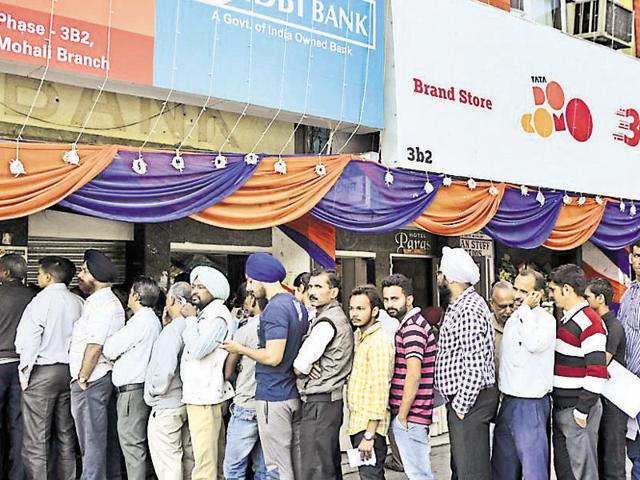
After all, this was the beginning of the Great White Change, when those with black money had to run to their water tanks, tear open their pillows and mattresses, bring down walls to access their secret lockers, and, basically, bring out all their ill-gotten cash from all the places where they had kept it. What do we do now? They wondered. Not aloud, obviously.
Some of them ran to the nearest river, and threw sacks of the demonetised notes of Rs 500 and Rs 1,000 into the water. Reports from Chandigarh and surroundings reliably told us that the Ghaggar is overflowing with the useless pieces of paper that passed off as money all these years.
Some used the good old method of venting frustration, and burnt heaps of their black money. Reports said even the smoke that the fire generated was as black as that famed jet-black shade in Calvin Klein jeans that these guys will not be able to buy anymore. I’ve never understood the logic of black jeans anyway. Then there were those who ran towards temples where the all-forgiving Almighty accepted this money in return for good wishes. No, God does not exchange currency.
Not all of them have, however, been smart enough to know that they must lose all their black before the taxman comes for them and leaves them all black and blue.
These are the ‘oversmart’ idiots who have lined up outside banks to exchange all their ill-gotten wealth. Many of them have dressed down to look like beggars with torn clothes, rickshaw-pullers with worn-out chappals, housewives with haldi stains on their clothes, or even middle-class, service-sector people who sometimes ask why a gigantic scheme to finish off black money could not be planned better. Sorry about the last bit of that sentence. That should have been censored. Don’t worry. There are many who know what to say, when and how. They raise slogans in praise of the Supreme Leader the minute a camera of any kind is turned towards them.
Neither is sincere, I tell you!
Everybody knows that the real beggars, rickshaw-pullers, housewives and other lily-white types are sleeping a good sleep at home, dreaming about the wonderful tomorrow that is within their grasp now. Nationalism is a healthy diet.
They know that the hardship of not being able to withdraw their own money — because the faux-poor are blocking the gates — will last only a few days. After that, the planes and houses and yachts and diamonds and cricket teams and kabaddi leagues owned by the Evil Rich, and the plots and flats and gold and cars and shops owned by the Middle-but-Rich-Class, will all be deposited in banks, for all to withdraw in equal amounts as determined by the Supreme Leader.
Mind you, do not be fooled by this creature called Liberal Media, especially the one that makes no noise. Noise is the essence of nationalism.
Many of these creatures have let their offspring loose in those faux-queues and are asking questions that make no sense. Sample these: Why are we not being told what’s the extent of the black economy and how much of it is in cash? Why are ATMs being recalibrated for new notes that were reportedly being printed for months now? Could the Supreme Leader not check first if the 2,000-rupee note will fit these machines? Is he so enamoured by his own goodness that he failed to plan well? Where is the new 500-rupee note? How long have you been standing in the queue? How long will it take to reach where you want to reach? Will you reach the top of the ladder, too? To the high echelons of crony corporate in whose planes you fly? What measures have been taken to bring political parties under the white umbrella before letting loose this rain of righteousness on everyone? Can I at least ask a question?
Tell them this: No, you cannot. It’s the season of answers, and we all know who has them all. Do not interrupt with your questions, please.


