
 E-Paper



World Schizophrenia Day: Living in a world that does not exist
Around 17,000 new patients register themselves with the psychiatry department and around 10% of them have schizophrenia.

 Prefer HTon Google


Around 10% of the new psychiatric patients arriving at the Post Graduate Institute of Medical Education and research (PGIMER) every year have been diagnosed with schizophrenia — a severe mental illness where the person lives in the world of hallucinations and delusions.
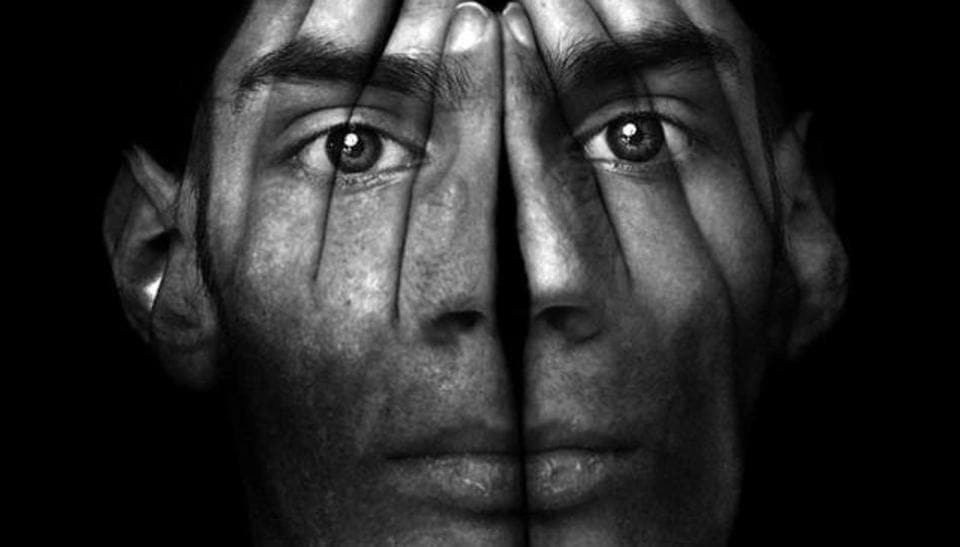
“The prevalence rate is one per 1,000 persons. It is usually triggered in vulnerable people when they are put under extreme stress. The most common age group prone to this mental disorder is 13 to 30 years,” said Dr Sandeep Grover, professor, psychiatry department, PGIMER.
He said at PGIMER, around 17,000 new patients register themselves with the psychiatry department and around 10% of them have schizophrenia.
“There are different sets of symptoms but in the most common ones, people become fearful, suspicious and think others are conspiring against them. They start hearing voices (hallucinations, delusions) and think people are talking about them. Their thought process is not under their control,” the doctor added.
“Suffering from these, they get isolated, violent, aggressive and lose insight of themselves. Some of them the patients don’t even consider themselves ill,” he added.
“The other set of symptoms include them becoming quite, losing interest in life, willingness to eat and work. The third set of symptoms involve disorientation among the patients,” Dr Grover said.
‘It can be treated if diagnosed in time’
“The positive thing is that the disorder can be treated, but its effectiveness depends on how quickly the symptoms are indentified. Ideally, patients should be brought for treatment as soon as possible, but here, they are being brought two to three years later,” he said.
“We don’t talk of cure, but treatment,” the doctor said, adding, “only one-third of people will be able to improve with treatment and can stop medication. Another one-third will show improvement, but have to continue with the medication. Then in the remaining ones, symptoms might prevail for long.”
The doctor said the family support was quite important to cure such patients. “There are many patients who are now at good positions, earning handsome salaries and leading a normal life. So, one should never lose hope,” Dr Grover concluded.
Tell-all tale of a mother and her daughter
One fine day, without informing anyone, a 32-year-old woman left for Delhi to meet her best friend undergoing treatment at a private hospital. It later came to the fore that this friend of hers didn’t exist.
On the World Schizophrenia Day, her mother shared with HT what is it was like to live with a schizophrenic child.
In January 2010, she called her mother from London to say ‘a professor shot my video’ and ‘I can see lots of birds flying in the air’. “I could sense something was not right with my daughter, who was then 24-year-old. I called her back and took her to a psychiatrist. My fear was proven right. She was diagnosed with schizophrenia,” she recalled.
However, her daughter responded well to the treatment and within six months, she flew to New York to continue her studies. But in 2011, a hospital in New York informed that her daughter tried to jump from the 18th floor.
She brought her back to Chandigarh and not left her alone since then.
“When she takes medicines, she behaves normally. But the problem occurs when she starts getting better. Then she forgets about the illness and stops medication that worsens her symptoms,” the mother said.
Talking about symptoms, she mother said, “My daughter would start talking to someone who is not even there. Her dialogues, texts do not make any sense. She lives in world of delusions and hallucinations.”
When asked what keeps her motivated to look after her daughter, she said, “My daughter is my strength. I will not let anything happen to her.”
As per doctors, family’s support is must for the recovery of patients suffering from Schizophrenia.
When asked if she knows about her disease, the 32-year-old said, “There are hallucination, they treat you and you get fine. You should take medicines regularly and with time it gets better.”


