E-Paper



Underground Mumbai Metro Line 3 inauguration by PM Modi expected to boost real estate market in South Mumbai
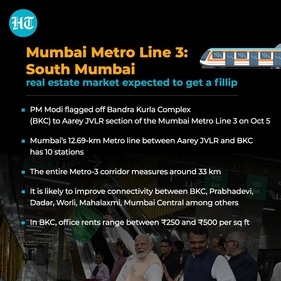
PM Modi on October 5 flagged off Bandra Kurla Complex (BKC) to Aarey JVLR section of the Mumbai Metro Line 3 that has 10 stations of which nine are underground

 Prefer HTon Google


With Prime Minister Narendra Modi inaugurating Mumbai's first underground Metro Line 3, also known as aqua line, between Colaba, Bandra and SEEPZ on October 5, the South Mumbai's real estate market is expected to see more holistic development on the back of the operational metro corridor, real estate developers and experts told HT.com
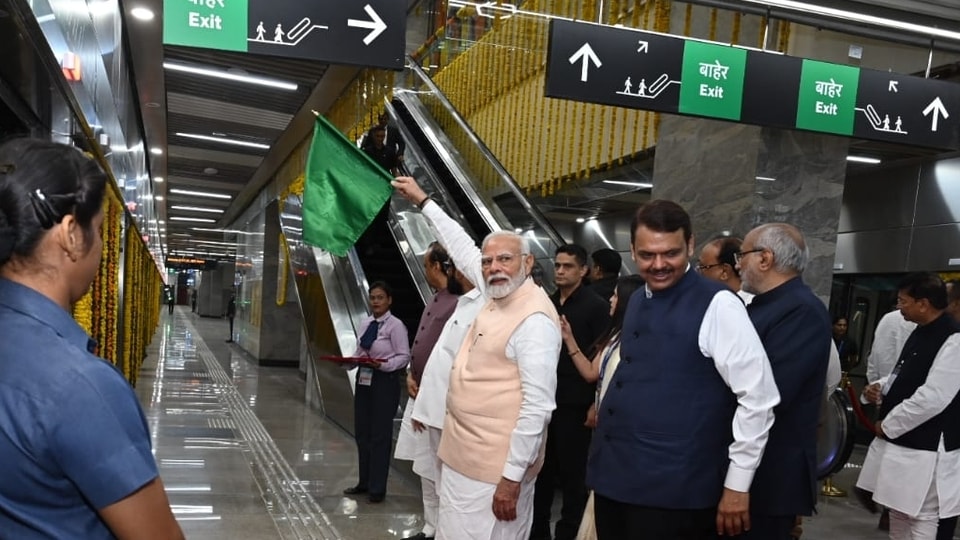
The 12.69-km stretch between Aarey JVLR and Bandra Kurla Complex (BKC), features 10 operational stations. The entire Metro-3 corridor measures around 33 km and is expected to improve connectivity between several localities such as BKC, Prabhadevi, Dadar, Worli, Mahalaxmi, Mumbai Central, Marine Lines, Churchgate, Nariman Point, Cuffe Parade and areas in and around the Mumbai Airport.
Also Read: Mumbai Coastal Road project: Will its completion impact the South Mumbai real estate market?
South Mumbai real estate market expected to get a boost
According to real estate experts, the new Metro connector is expected to improve connectivity between South Mumbai and suburban areas of Mumbai and also give a fillip to the real estate market.
“Many residents of South Mumbai work in areas such as Worli, Lower Parel, BKC, airports, and commercial hubs like Andheri. This improved connectivity will greatly benefit the middle class and professionals residing in South Mumbai who commute to BKC, Central Mumbai, or the suburbs for work,” said Pramod Vyas, President of SMART (South MetroCity Association of Realtors), the apex body of real estate consultants in South Mumbai.
"For corporates, senior executives, CEOs, and CXOs, this connectivity opens up opportunities for redevelopment projects. Many senior executives prefer to live in South Mumbai while continuing to work in BKC and Andheri eastern part. The Metro-3 will significantly enhance connectivity, and improved connectivity always benefits real estate. While there are currently limited options or pipelines for new Grade A commercial office spaces in South Mumbai, we can expect that to change in the future,” Vyas added.
Currently, the per sq ft rate of apartments in South Mumbai and Central Mumbai ranges anywhere between ₹45,000 per sq ft to ₹1.50 lakh per sq ft depending on the age of the property, locality and several other factors, according to local brokers. Real estate developers like Lodha, Godrej, Sunteck, Prestige, Puravankara among others have a presence in the South Mumbai real estate market.
Office rentals in South Mumbai have stabilized around ₹150 to 250 per sq ft owing to lack of availability of quality space. Comparatively, rates in BKC have gone up in the past five years, local brokers said. In BKC, office rents range between ₹250 and ₹500. They have even touched ₹700 for a short tenure deal, said brokers.
Also Read: MMRC looks to raise ₹5,173 crore from Nariman Point plot
Will Nariman Point commercial market get fresh supply?
The Mumbai Metro Rail Corporation (MMRC) that is behind the construction of the Metro 3 Line plans to raise at least ₹5,173 crore by monetising a 4.2-acre plot in Nariman Point through a long term lease basis.
The plot currently in the market earlier housed offices of various political parties that have now shifted. Once the plot is developed, political party offices are likely to move back to their original addresses. The Mumbai Metro Rail Corporation (MMRC) plans to raise at least ₹5,173 crore by monetising a 4.2-acre plot in Nariman Point through long term lease basis.
A global request for proposals has been floated for the same and the last date for submitting bids is November 27. MMRC is likely to utilise the proceeds to finance the ongoing metro line and initiate payment of interest to the Japan International Cooperation Agency.
The Nariman Point plot put out in the market by MMRC has a development potential of 1.6 million sq ft, out of which over 1.13 sq ft would have to be handed over to the state towards rehabilitation.
“Once the Mumbai Metro Line 3 is fully operationalised, it will connect prime hubs like Colaba, Bandra, and SEEPZ and enhance last mile connectivity which will further foster the growth of the real estate market. Accessibility to commercial hubs like Cuffe Parade, Nariman Point, and Marine Lines will gravitate more homebuyers and businesses towards this belt. Reduction in the time spent on commute, ease of travel will encourage development of residential and commercial real estate spaces and generate demand. We anticipate a spurt in home prices in this location," said Niranjan Hiranandani, founder of the Hiranandani Group and chairman of NAREDCO, an apex body of real estate developers.
"Additionally, in key suburbs like Dadar, Worli, and Bandra, property prices may increase due to better connectivity to business hubs. Developers are likely to focus on creating more integrated projects to cater to the growing demand for homes closer to workplaces. Overall, Metro Line 3 is set to boost the real estate landscape," Hiranandani added.