In the next 100 years, there may be no internet, technology, satellite communication and electric grids. And it may not be because of humans, according to a study.
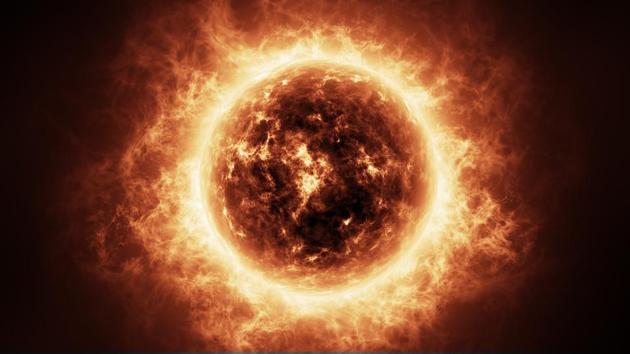
A powerful solar flare in the next century may wipe out all technology on Earth, according to a study published in The Astrophysical Journal this month. “The sun is usually thought of as a friend and the source of life, but it could also be the opposite,” Avi Loeb, Harvard University professor who authored the research, told NewScientist.
Loeb and Manasvi Lingam, a Harvard researcher, studied data on other Sun-like stars to see how frequently “superflares” occur and what their impact is. They found that extreme flares are likely to occur on stars every 20 million years.
Solar flare are defined by NASA as powerful bursts of radiation from the Sun. Although harmful radiation cannot pass through Earth’s atmosphere, when intense, they can disturb the atmosphere in the layer where GPS and communication signals travel. The worst of flares could even destroy the ozone layer, cause DNA mutations and disrupt ecosystems, said NewScientist.
“... the risk posed by superflares has not been sufficiently appreciated and that humanity might potentially witness a superflare event in the next 10 to the power 3 years, leading to devastating economic and technological losses,” the study read.
A solar storm in 1859 had resulted in breakdown of telegraph systems across the West, in the first such recorded event. “A flare like that today could shut down all the power grids, all the computers, all the cooling systems on nuclear reactors. A lot of things could go bad,” said Loeb, adding: “Back then, there was not very much technology so the damage was not very significant but if it happened in the modern world, the damage could be trillions of dollars.”
{{/usCountry}}A solar storm in 1859 had resulted in breakdown of telegraph systems across the West, in the first such recorded event. “A flare like that today could shut down all the power grids, all the computers, all the cooling systems on nuclear reactors. A lot of things could go bad,” said Loeb, adding: “Back then, there was not very much technology so the damage was not very significant but if it happened in the modern world, the damage could be trillions of dollars.”
{{/usCountry}}There may be a solution
Loeb and Yale University’s Greg Laughlin said a huge loop of conductive wire between the Earth and the Sun that would act as a magnetic shield could be the solution. But it could cost more than $100 billion and that may “not be the best way to spend money”, conceded Laughlin.
“But thinking more about how solar superflares work and getting a sense of how our sun fits in with its peers would be a very valuable effort.”