Most of us have grown up receiving religious gifts at family functions. A Ganesha statue wrapped in cellophane, a silver coin in a velvet box, or a plastic-framed idol that quietly found its way to a cupboard shelf. These objects carried sentiment, though they rarely became the centre of attention in the home. They were respectful tokens, not design statements.
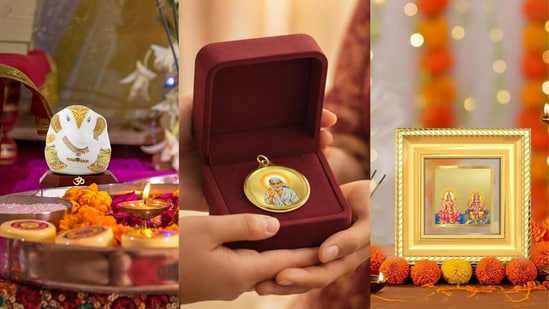
That quiet tradition is now shifting. In high-rise apartments and villas across metros and tier two cities, gifting has taken a more thoughtful turn. Instead of the predictable box of sweets or a token silver coin, guests arrive with spiritual pieces that feel closer to art than ritual objects.
The change reflects a broader shift in Indian homes. Faith has not disappeared from modern interiors. It has simply moved into clearer view. Sculptural Buddha statues sit beside coffee table books. Gayatri Mantra panels appear on living room walls. Spiritual icons are beginning to share space with carefully chosen décor.
Brands such as Diviniti have stepped into this space, treating devotional gifts with the same attention usually reserved for collectables and premium artefacts. In a HT ShopNow interview, Dr Amushree Jha, Director at Diviniti, opened up about the shift in spiritual gifting, younger consumers embracing faith in new ways, and why devotional objects are finding a place in modern interiors.
Q. Religious gifting in India has traditionally been informal. What gap did you see in this space?
Dr Amushree Jha: Religious giving in India has always been rooted in belief, but for a long time, there was very little focus on design, standardisation, or durability when it came to spiritual gifts. Most people would buy idols from local shops simply as tokens of faith. At Diviniti, we felt that these gifts deserved the same attention as any meaningful present. Our idea was to bring together thoughtful design, consistent craftsmanship, and quality materials so that a spiritual gift could feel memorable for the person receiving it.
Q. We are seeing spiritual gifts replace sweets or electronics at weddings and housewarmings. What is driving this shift?
Dr Amushree Jha: There has been an emotional shift in the way people approach gifting today. Earlier, many gifts were transactional. Today, people are looking for gifts that carry meaning and blessings, especially for occasions like weddings and housewarmings that hold deep symbolism. Spiritual gifts tend to stay with the recipient for years and often become part of everyday routines in the home. That sense of permanence is a big reason people are leaning towards them.
Q. Younger Indians are often described as less religious. Are you seeing a different pattern?
Dr Amushree Jha: Younger generations are actually very spiritual, though they express it differently. Gen-Z is more comfortable making spirituality personal and visually appealing. They often prefer minimal designs and objects that fit naturally into their surroundings. They also enjoy items that feel unique to them and appreciate brands that communicate authentic stories online.
Q. Diviniti is known for its Portrait on Gold concept and gold-plated technology. How challenging was it to develop and patent these processes?
Dr Amushree Jha: Innovation in this industry can be challenging because it has traditionally been quite unorganised. Developing our 24K gold plating processes and the Portrait on Gold concept required years of research, technical precision, and legal work. While imitation does exist in the sector, our focus has always been on maintaining consistent quality, finish, and durability rather than worrying about copycat products.
Q. Car dashboards have become a popular space for devotional icons. Why do you think this category resonates with consumers?
Dr Amushree Jha: Cars have become a very personal space for many people today. Between busy schedules and long commutes, the car often acts as a place where people spend quiet time during the day. In India, there has always been a tradition of placing idols in vehicles for blessings and safety. We noticed that people wanted dashboard icons that were compact, durable, and visually appealing, which led us to create products designed specifically for that environment.
With spiritual tourism growing in places like Ayodhya and Varanasi, how is this influencing the retail landscape?
Dr Amushree Jha: The rise of spiritual tourism has created a new opportunity in this space. In the past, many travellers returned with small souvenirs from temple markets. Today, people are looking for keepsakes that feel meaningful and lasting. We aim to support this shift through curated retail experiences along these pilgrimage circuits so visitors can take home spiritual items that carry both devotional value and thoughtful design.
Spiritual gifts, Dr Jha says, often become part of daily life in a household. “They represent blessings and carry meaning that lasts far beyond the occasion they were given for.”
Similar articles for you
Ramen bowls that are cute and perfect for slurping your noodles from; 8 picks I absolutely love
Cushion covers to brighten up your rooms this summer; My top 8 picks
Office chairs with lumbar support: Understanding why this is important for your back
Switched my armchair to an ergonomic office chair: Changed how I work from home
- What makes Diviniti products different from regular religious idols?
Diviniti products combine devotional symbolism with detailed craftsmanship. Many pieces feature 24K gold plating and refined finishes, turning spiritual icons into decorative keepsakes for modern homes.
- What is the Portrait on Gold concept?
Portrait on Gold is a personalised offering where custom images or spiritual portraits are placed on a gold-plated surface, creating a meaningful and visually striking keepsake.
- Are Diviniti products suitable for gifting on special occasions?
Yes, they are often chosen for weddings, housewarmings, festivals, and milestone celebrations, especially by those who prefer meaningful gifts rooted in tradition.
- Where can customers buy Diviniti spiritual gifts?
Diviniti products are available through select retail stores, online platforms, and curated outlets in key spiritual tourism destinations across India.
Disclaimer: At Hindustan Times, we help you stay up-to-date with the latest trends and products. Hindustan Times has an affiliate partnership, so we may get a part of the revenue when you make a purchase. We shall not be liable for any claim under applicable laws, including but not limited to the Consumer Protection Act, 2019, concerning the products. The products listed in this article are in no particular order of priority.