Selecting a dining table sounds simple in theory. In reality, it often turns into a surprisingly tricky decision. Size, layout, materials, everyday use, and hosting habits. There is quite a lot to think about before committing to one piece that will sit at the centre of your home for years.
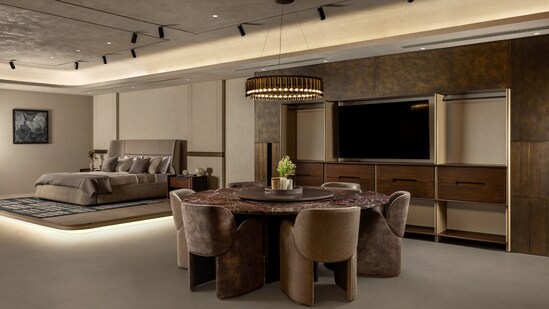
To make the process easier and expert-backed, I reached out to three people who spend a large part of their professional lives thinking about interiors and furniture design. Their advice quickly made one thing clear. A dining table is not just furniture.
Ankit Navratan Jain, Co-Founder and Director at AE Living, a design-led furniture brand known for contemporary interiors and crafted pieces, says, "A dining table is not simply a piece of furniture. It is the stage upon which life’s most meaningful rituals play out.”
Once you start thinking about the dining table in those terms, the decision becomes less about filling an empty corner and more about choosing something that fits the rhythm of daily life.
Getting the proportions right
Before looking at the finish or materials, scale is the first thing to sort out. A dining table should feel like it belongs in the room, not squeezed into a corner or awkwardly oversized.
Hridik Chawla, Founder of Essentia Home, says the key is balance and ease of movement. “The table should feel comfortably anchored within the room, allowing for easy movement around it.”
A few simple guidelines can help
• Leave at least three feet of space around the table so chairs slide out easily and people can walk around comfortably.
• Round or oval tables work well in smaller rooms since they soften the layout and encourage more relaxed conversation.
• Rectangular tables suit longer dining rooms and more structured seating arrangements, especially in larger homes.
Materials change the mood of a room
Once size and shape are decided, the material of the dining table begins to shape the overall feel of the space. Each option brings its own texture, visual weight and practicality, so the choice should reflect both the interior style and everyday habits at home.
As Ankit says, “Choose a material that not only complements your interiors but also honours the way you live every day.”
| Material | What it brings to the space | When it works best |
| Solid wood | Warmth, natural grain and long-lasting durability | Homes that lean towards cosy, classic or timeless interiors |
| Marble or travertine | Depth, character and striking natural patterns | Dining rooms aiming for a refined and polished look |
| Quartz or engineered stone | Clean finish with strong durability | Homes that want a modern look with lower maintenance |
| Glass | Visually light and airy, it makes a room feel larger | Compact dining areas where bulky furniture can feel overwhelming |
Design details that affect daily comfort
The base of a dining table is easy to ignore during the buying process, yet it plays a big role in comfort and usability. Interior expert Gagan Rasiwasia, Founder and Managing Director, Trestle, known for his work on contemporary residential interiors and furniture detailing, says the structure beneath the tabletop deserves close attention.
“The base design directly affects legroom and seating flexibility, so I usually recommend trestle-style bases that leave more open space underneath the table.” Rasiwasia also notes that details matter. Strong joinery and clean construction often signal better craftsmanship. A well-built table with careful structural detailing will usually last much longer than pieces produced in large volumes. Hosting habits also play a role in deciding the right size for the table.
Chawla suggests thinking realistically about how the table will be used day to day. “Consider the number of people you host regularly. A table should comfortably seat your household while allowing for occasional expansion.” That could mean extension leaves or simply leaving enough room to add extra chairs during gatherings.
Making the table part of a larger design story
Comfort is another factor that deserves more attention than it usually receives. Jain stresses that the relationship between table height, chair proportions and seating distance should feel natural for anyone sitting down for a long meal.
“The height of the table, the proportion of the chairs, and the spacing between them must allow guests to sit with ease and linger over meals.”
Rasiwasia also believes dining tables should be chosen with longevity in mind. Clean silhouettes and simple forms tend to blend easily with interiors that change over time.
Chawla adds one final piece of advice that often gets overlooked. The dining table should never look like a lonely piece of furniture placed in the middle of a room. “Its design should work in harmony with surrounding chairs, lighting and finishes, creating a cohesive setting that feels inviting and well-balanced.”
After speaking with all three experts, one idea kept returning. A dining table is the right fit when scale, material and craftsmanship align with how a household actually lives, the dining table stops being just another purchase. It becomes the focal point of the room and sometimes even the home.
Similar articles for you
Cushion covers to brighten up your rooms this summer; My top 8 picks
Office chairs with lumbar support: Understanding why this is important for your back
Switched my armchair to an ergonomic office chair: Changed how I work from home
- How much space should I leave around a dining table?
Interior experts suggest leaving at least three feet of clearance on all sides of the table. This allows chairs to slide out easily and ensures people can walk around the dining area comfortably without the space feeling cramped.
- Which dining table shape works best for smaller homes?
Round or oval tables are often a good fit for compact dining areas. They soften the layout of the room and remove sharp corners, which helps create a more relaxed and conversational seating arrangement.
- What materials work best for a dining table that is used daily?
Solid wood remains a popular option for everyday dining since it is durable and ages well over time. Engineered stone surfaces can also work well for homes that want a modern look with relatively easy maintenance.
- How do I choose the right size dining table for my household?
Start with the number of people who use the table daily. The table should comfortably seat your household while still allowing space for occasional guests. Extension tables or flexible seating arrangements can help when hosting larger gatherings.
The author of this article holds a Master's Degree in Interior Design and has spent over a decade in research, teaching, and designing homes from scratch.
Disclaimer: At Hindustan Times, we help you stay up-to-date with the latest trends and products. Hindustan Times has an affiliate partnership, so we may get a part of the revenue when you make a purchase. We shall not be liable for any claim under applicable laws, including but not limited to the Consumer Protection Act, 2019, concerning the products. The products listed in this article are in no particular order of priority.