Apple is opening its fourth store in India, Apple Koregaon Park in Pune after official stories in Mumbai, Delhi and Bengaluru (open September 2). With four official Apple Stores in the country now, you might wonder if buying directly from them is worth it. The answer isn’t simple, there are pros and cons. You get secure purchases and customisation options at Apple, but local stores may offer better deals or freebies. So, the answer is a lot more nuanced than what you might have thought.
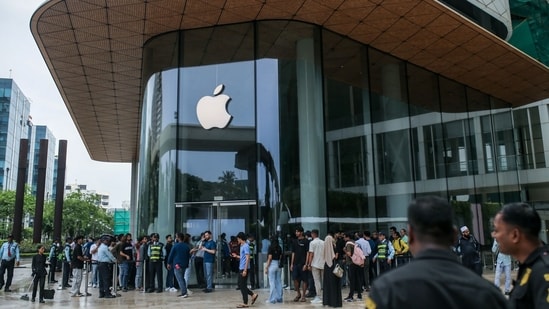
If you want to know how buying from an Apple Store compares to a local shop or online shopping websites, this guide will help.
Pros of buying at an official Apple store in India, like Apple BKC:
- Zero risk of pre-activated or refurbished units: This is the biggest advantage. Offline stores, particularly untrusted ones, may sell refurbished or repackaged units as new. Cases of customers receiving used products are not uncommon. Even on platforms like Amazon, you can sometimes receive refurbished or used items if the seller isn’t genuine.
- Mac configuration options: Official Apple stores allow you to configure your Mac exactly how you want it, then pick it up at the store or have it delivered. Local stores may offer different RAM or storage options, but you can’t mix and match like you can with Apple directly.
- Free engravings: Apple stores provide free engravings on products like AirPods, iPads, and Apple Pencils, adding a personal touch to your devices.
- Consultation with Apple Geniuses: Apple staff understand your needs and provide genuine recommendations without upselling products for profit, unlike some local dealers.
- AppleCare Plus: While some offline stores may offer AppleCare Plus, others may sell third-party insurance plans that are often unreliable. Buying AppleCare Plus directly from Apple ensures genuine coverage, that will help in difficult situations like when your device gets broken.
Cons of buying at an official Apple store:
- Price: Apple stores sell products at MRP, even long after launch. For instance, in August, nearly a year after the iPhone 16 Pro launch, the base model costs ₹1,19,900 at Apple BKC or Apple Saket. In contrast, offline stores and websites like Amazon offer the same model for much less, sometimes under ₹1.1 lakh, with further discounts through bank offers. For instance, the iPhone 16 is available offline between ₹65,000 and 70,000, and often during online sales as well, but at the Apple Stores, you will pay the full ₹79,900.
- Limited presence: Currently, India has only four Apple stores: Apple BKC, Apple Saket, the soon-to-open Apple Hebbal in Bengaluru, and Apple Koregaon Park in Pune. For a country as large as India, this is very limited, although Apple has indicated plans for further expansion.
- Stock availability at launch: Apple stores often run out of stock, particularly for Pro Max models. Offline physical stores may have availability even when official stores don’t, though at a higher price. There’s also a downside of it, involving paying premiums, which you can read about here.
- Freebies at offline physical stores: To compete with nearby stores, offline sellers often provide freebies such as TWS earphones, chargers, or other accessories, which Apple charges for. These extras can make the purchase feel more rewarding to the consumer.
Apple Stores in India don’t have the same return policy as the US
Essentially, this isn’t a con, but it’s still worth noting. The Apple Store return policy experience in India is very different from that in the US, mostly due to the restrictions on returns. In the US, you can even return open products if they are in decent condition. This means you can try out a device, and if you don’t like it, simply return it to the Apple Store for a full refund, no questions asked. In India, however, open products are often non-refundable. You can’t, for instance, use an iPhone for a few days and then return it to Apple BKC saying you no longer want it. This is an important point to keep in mind.
UPCOMING MOBILES: iPhone 17 LATEST Details