Buying an air purifier is no longer a luxury purchase in India, especially in the northern part of the country. The rising pollution has made having an air purifier more of a necessity. That said, choosing an choosing an air purifier for your home is no longer just about buying a device with a HEPA filter. With rising concerns about indoor air quality, dust, allergens and PM2.5 pollution, users need to finding the right air purifier that can also address other concerns in a household.
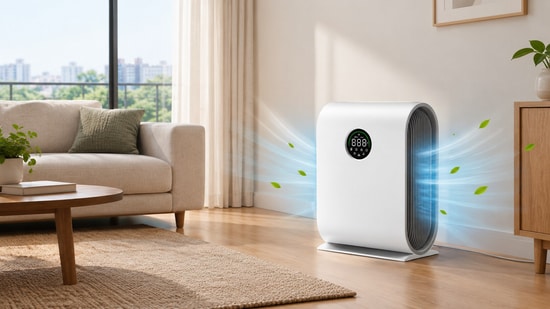
However, with brands such as Dyson, Philips and Coway offering products across different price segments, deciding which one delivers the best value for money can be challenging. While Dyson is known for its premium designs, advanced filtration and smart features, Philips focuses on efficient purification technologies and convenient everyday operation. Coway, on the other hand, has built a reputation for its air purification expertise, practical designs and value-oriented offerings. So which one should you pick?
I looked at what these three brands bring to the table and compared important factors such as filtration technology, CADR, room coverage, noise levels, filter replacement costs and smart features. I also considered the long-term ownership costs, since buying an air purifier is only the first step; maintaining it can add to your expenses. Here's what I found out.
Dyson air purifiers: What's it best for and who should buy it?
Dyson air purifiers are best suited for buyers looking for a premium air purification experience that combines filtration, intelligent monitoring and modern design. This brand focuses on more than just removing airborne pollutants. Some models in its portfolio offer features such as real-time air-quality monitoring, app connectivity, automatic purification and humidifier or heating functionality.
Buyers should select Dyson air purifier models for their HEPA-grade filtration to capture fine particles, including dust, pollen and other airborne allergens, air-quality monitoring, smart connectivity features, multi-functional design and premium aesthetics.
Who should buy a Dyson air purifier?
Dyson air purifier is worth considering if users:
- Want a premium air purifier with advanced smart features.
- Prefer real-time air-quality monitoring and app-based controls.
- Need a multi-functional appliance that can also cool or heat a room.
- Are comfortable paying more for design, convenience and additional functionality.
Philips air purifiers: What's it best for and who should buy it?
Philips air purifiers are best suited for households looking for reliable everyday air purification without necessarily paying for premium design and additional features. Philips air purifier models come with features such as multi-layer filtration, automatic air-quality monitoring and smart connectivity. Buyers should pick Philips air purifiers for their multi-layer filtration system, which includes NanoProtect HEPA filtration, pre-filters and activated carbon filters, air-quality monitoring system and smart features.
Who should buy a Philips air purifier?
Philips air purifier is worth considering if users:
- Want a dependable air purifier for everyday use in your home.
- Need a choice of models for different room sizes and budgets.
- Prefer practical filtration and smart features without paying extra for heating or cooling functionality.
- Want an appliance that is relatively straightforward to operate and maintain.
Coway air purifiers: What's it best for and who should buy it?
Coway air purifiers are best suited for households looking for a dedicated air purification solution with an emphasis on filtration performance, practical features and everyday usability. This brand offers models for different room sizes, with select Airmega models that come with multi-stage filtration, automatic air-quality monitoring and energy-saving modes. Rather than focusing on premium aesthetics or additional heating and cooling functionality, Coway places greater emphasis on helping households maintain cleaner indoor air.
Buyers should pick Coway air purifiers for their multi-stage filtration, air-quality monitoring system, practical everyday features and a dedicated purification system
Who should buy a Coway air purifier?
Coway air purifier is worth considering if users:
- Want a dedicated air purifier for everyday use at home.
- Prioritise filtration performance and practical features over premium styling.
- Need a model suited to a specific room size and pollution level.
Similar articles for you
Whirlpool's latest refrigerators can tell when your fruits and vegetables need attention: Here's how
- How do I choose the right air purifier for my room size?
Measure the room's length and width to calculate its floor area in square feet. Then check the purifier's recommended coverage and CADR rating.
- What is CADR in an air purifier, and how much do I need?
CADR stands for Clean Air Delivery Rate. It measures how much filtered air a purifier delivers in a given time, usually expressed in cubic metres per hour (m³/h).
- Is a HEPA filter necessary for an air purifier in India?
A genuine HEPA filter is a useful choice for homes exposed to dust, smoke, pollen and fine particulate pollution. It captures airborne particles, including PM2.5, when used in a properly sized and maintained purifier.
- What is the difference between a HEPA filter and an activated carbon filter?
A HEPA filter captures airborne particles such as dust, pollen and fine particulate matter. An activated carbon filter helps adsorb certain gases, odours and volatile organic compounds.
- Which air purifier is best for Delhi-NCR and other highly polluted cities?
For highly polluted cities, choose a purifier with a high CADR relative to your room size, genuine HEPA filtration and an activated carbon filter if gaseous pollutants and odours are a concern.
Disclaimer: At Hindustan Times, we help you stay up-to-date with the latest trends and products. Hindustan Times has an affiliate partnership, so we may get a part of the revenue when you make a purchase. We shall not be liable for any claim under applicable laws, including but not limited to the Consumer Protection Act, 2019, with respect to the products. The products listed in this article are in no particular order of priority.