When it comes to creating a comfortable viewing experience for your child, the choice between a projector and a TV can play a significant role in protecting their eyesight. As screen time continues to increase among children, concerns about eye strain, blue light exposure, and overall eye health have become more prominent. Both projectors and TVs offer unique benefits and drawbacks that can affect how your child’s eyes interact with the screen.
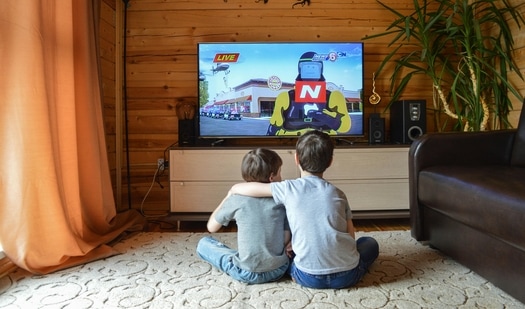
This guide aims to thoroughly compare the two, focusing on key factors such as brightness, screen size, viewing distance, and ambient lighting conditions. By understanding the differences, you can make an informed decision that best suits your child’s needs and helps minimise any potential risks to their vision. Whether you’re setting up a home theatre or choosing a daily entertainment option, this guide will help you choose the safest and most effective display.
Is it better to have a TV or projector?
Choosing between a TV and a projector depends on your specific needs and environment. TVs are generally more convenient, offering a bright, sharp picture in various lighting conditions. They are easy to set up, require minimal maintenance, and are ideal for everyday use. Projectors, on the other hand, offer a larger screen size, which can increase the viewing experience, especially for movies and gaming.
However, projectors require a darker room and more setup effort, including finding the right screen for clear image projection, mounting hardware, and sometimes speakers or sound systems for audio. Ensuring you have the right setup enhances the viewing experience and image quality. If the screen is not white and clear then it can cause additional strain to a child's eyes and not prevent it. So one should understand the entire setup before diving into this lifestyle change.
If you have the space and enjoy a cinematic experience, a projector could be a better option. For those who prioritise convenience and versatility, a TV might be the way to go.
| Feature | TV | Projector |
| Setup | Easy and quick | Requires more effort |
| Screen Size | Limited (up to 85 inches or so) | Can exceed 100 inches |
| Brightness | High, suitable for any room | Best in dark rooms |
| Maintenance | Minimal | Bulb replacement may be needed |
What is better for your eyes, a TV or a projector?
When it comes to eye health, projectors are often considered better because they reflect light rather than emitting it directly as TVs do. This reflective light is usually softer on the eyes, reducing the risk of eye strain during prolonged viewing sessions. However, the actual impact on your eyes also depends on factors such as screen size, viewing distance, and room lighting. A projector that’s properly set up in a dim or dark room can be easier on the eyes compared to a bright TV in a well-lit room. Both options can be safe if used correctly, but projectors might offer an edge in reducing eye fatigue.
| Factor | TV | Projector |
| Light Source | Direct emission | Reflected light |
| Eye Strain Risk | Higher for prolonged viewing | Lower, softer light |
| Optimal Viewing | Bright rooms | Dim or dark rooms |
| Distance Sensitivity | Varies in size and brightness | Less critical, larger screens |
Can you use a projector for everyday TV watching?
Using a projector for everyday TV watching is possible, but it comes with certain considerations. Projectors can provide a large screen that’s great for movies, sports, and gaming, making daily viewing more immersive. However, projectors usually need a room with controlled lighting to deliver a clear picture, which might not be convenient for everyone.
Additionally, projectors require regular maintenance, like replacing bulbs or filters, and setup adjustments to maintain optimal image quality. If your room setup allows for it and you don’t mind the additional upkeep, a projector can be a good choice for daily use. For most, though, a TV might be a more practical solution.
| Aspect | Projector | TV |
| Image Quality | Best in dark rooms | Consistent in various lighting |
| Setup Convenience | More effort needed | Plug and play |
| Maintenance | Regular bulb/filter changes | Minimal |
| Daily Use Suitability | Depends on environment | Highly suitable for everyday use |
Also read: Best projectors for a home in 2024: Enjoy movies, sports and gaming to the fullest with top 9 picks
Can I replace a TV with a projector?
Replacing a TV with a projector is feasible, but it depends on your viewing habits and room setup. Projectors are excellent for creating a home theatre experience, offering a much larger screen size than most TVs. However, they are more suited for dedicated viewing sessions, like movie nights or gaming, rather than casual, everyday TV watching.
Projectors also require a dark room for the best picture quality, and their maintenance needs, such as bulb replacement, can be higher than a TV’s. If you’re looking for an immersive experience and have the right space, a projector can replace a TV. For daily convenience, a TV might still be preferable.
| Consideration | Projector | TV |
| Screen Size | Much larger, up to 300 inches | Typically up to 85 inches |
| Room Requirements | Best in dark, controlled spaces | Works in any lighting |
| Convenience | Less convenient for quick viewing | Ideal for spontaneous watching |
| Long-term Use | Requires more upkeep | Low-maintenance |
Is a 4K projector as good as a 4K TV?
A 4K projector can offer an impressive large-screen experience with sharp detail, but it typically won’t match the overall image quality of a 4K TV, especially in terms of brightness and contrast. 4K TVs deliver superior performance in well-lit rooms, with vibrant colours and deep blacks that projectors struggle to replicate, particularly in non-dark environments.
Projectors are best for large, cinema-like settings where the massive screen size enhances immersion, but for everyday use, a 4K TV provides more consistent quality. Additionally, the cost of a high-end 4K projector can be much higher than a 4K TV, making TVs a more practical choice for most households.
| Criteria | 4K TV | 4K Projector |
| Image Quality | Superior brightness, contrast | Great detail, but less brightness |
| Best Use | Everyday viewing | Home theatre setups |
| Price | Generally lower | Higher, especially for high-end |
| Screen Size | Up to 85 inches | Can exceed 100 inches |
Do projectors have a lifespan?
Yes, projectors do have a lifespan, primarily determined by the life of their light source. Traditional projectors use lamps that typically last between 2,000 to 5,000 hours before needing replacement. Newer models with LED or laser light sources can last much longer, up to 20,000 to 30,000 hours. As the light source dims over time, image brightness and quality will degrade, requiring bulb replacement or even a new projector.
Regular maintenance, like cleaning filters and ensuring proper ventilation, can extend a projector’s lifespan. Although projectors can last many years, their upkeep costs might be higher compared to TVs, which generally require little maintenance.
| Type | Lifespan | Maintenance |
| Lamp-based Projector | 2,000 - 5,000 hours | Bulb replacement needed |
| LED/Laser Projector | 20,000 - 30,000 hours | Minimal upkeep required |
| Overall Device | Depends on usage and care | Regular cleaning recommended |
| Comparative Cost | Higher due to bulb costs | Lower for LEDs/lasers |
Is a projector better than a TV for kids?
A projector can be a better option for kids in certain situations. Projectors generally emit softer, indirect light, which is easier on the eyes compared to the direct light from a TV. This can reduce eye strain, especially during long viewing sessions. Additionally, the large screen size of a projector means kids can sit further away, which is recommended for eye health.
However, projectors require a darker room for the best picture, and the setup can be more complex. For everyday use and ease, a TV might be more practical, but for movie nights or educational content, a projector could provide a more comfortable and engaging experience for children.
| Aspect | Projector | TV |
| Light Exposure | Softer, reflected light | Direct, bright light |
| Viewing Distance | Allows for greater distance | Typically closer viewing |
| Eye Comfort | Potentially better over long periods | Can cause more eye strain |
| Ease of Use | More setup required | Simple and quick |
Also read: Best 4K projectors for home entertainment enthusiasts: Top 8 picks for sharp and clear images
Factors determining why children might be prone to eye sight issues:
Extended Screen Time: Prolonged use of digital devices can lead to digital eye strain, causing discomfort, headaches, and blurred vision.
Genetics: A family history of eye conditions can increase the likelihood of children developing similar issues.
Lack of Outdoor Activity: Limited exposure to natural light and outdoor activities can affect eye development and increase the risk of conditions like myopia.
Poor Lighting: Insufficient or excessive lighting while reading or using screens can strain the eyes and contribute to vision problems.
Improper Reading Habits: Reading in dim light or holding books too close can cause eye strain and discomfort.
Undiagnosed Vision Problems: Children might not recognize or communicate vision issues, leading to undiagnosed and untreated conditions.
Understanding these factors will play an important role in determining whether your child truly needs to switch from the television screen to a projector or not.
What are the different uses of projectors for children?
| Projectors for children | Uses case scenarios | Benefits |
| Educational Content | Projecting educational videos, interactive lessons, or animated stories in a classroom or home setting. | - Enhances learning with visual aids. - Supports group learning and collaboration. |
| Storytelling and Bedtime Stories | Using the projector to show animated stories or fairy tales during bedtime. | - Captivates children’s attention. - Creates a calming environment for better sleep. |
| Art and Creativity | Projecting templates or colouring pages for tracing and artwork. | - Develops fine motor skills and creativity. - Encourages artistic experimentation. |
| Interactive Games | Displaying interactive games or educational apps on a large surface. | - Promotes physical activity. - Makes learning fun and engaging. |
| Family Movie Nights | Showing family-friendly movies on a large screen at home. | - Provides a shared experience. - Creates a home theatre atmosphere. |
| Special Events and Celebrations | Displaying personalised messages, images, or videos during events like birthdays. | - Adds a personal touch to celebrations. - Creates memorable experiences. |
| Learning and Skill Development Workshops | Using projectors to display instructions, demonstrations, or interactive activities in workshops. | - Enhances instruction and understanding. - Facilitates group participation. |
The factors to consider why your child needs a projector:
Reduced Eye StrainProjectors display images on large surfaces viewed from a distance, reducing the need for close-up focus and minimising eye strain compared to small screens.
Adjustable BrightnessProjectors offer adjustable brightness settings, reducing glare and allowing for a more comfortable viewing experience by matching the ambient light, unlike fixed brightness screens.
Larger Viewing AreaProjectors create large images that can be viewed from a comfortable distance, reducing the need for close-up viewing and helping prevent eye strain and poor posture.
Minimised Blue Light ExposureProjectors emit less blue light than screens, reducing eye discomfort and potential sleep disruption, offering a more eye-friendly viewing option for children.
Better PostureProjectors allow children to view content from a comfortable distance without leaning forward, promoting better posture and reducing the risk of back discomfort compared to small screens.
Similar articles for you:
Best mini projectors for home theatre: Upgrade to better entertainment at home with our top 9 picks
Best projectors under ₹10000: Top 9 affordable options for home entertainment
Best modern TV stands for a contemporary living room: Top 9 picks to elevate your spaces
At Hindustan Times, we help you stay up-to-date with the latest trends and products. Hindustan Times has an affiliate partnership, so we may get a part of the revenue when you make a purchase. We shall not be liable for any claim under applicable laws, including but not limited to the Consumer Protection Act, 2019, with respect to the products. The products listed in this article are in no particular order of priority.