Burma Burma co-founder Chirag Chhajer recently explained why the restaurant chain prefers opening outlets in malls and corporate office parks, saying the higher rent can be seen as a customer acquisition cost. Taking to X, Chhajer compared the ₹5 lakh monthly rent for a mall outlet with the ₹3 lakh the brand could spend on Instagram influencers and Meta ads to attract customers to a non-prime location.
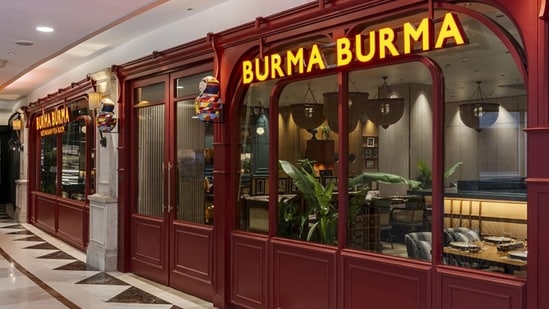
"Being someone who's been steeped in numbers, the realisation about malls and high rents came to me pretty quickly. And when we were moving beyond our first few outlets, we started considering malls to open new locations," Chhajer wrote in the X post.
He admitted that the mall rents initially made him pause, especially when compared with what the restaurant was paying for high-street locations. "Before we signed on for the first mall-based restaurant, I kept thinking this through for weeks," he said.
However, Chhajer said that he eventually came to view the higher rent as an upfront customer acquisition cost. "And then it hit me- the 5 lakhs a month you pay as rent for a mall-based restaurant is just upfront Customer Acquisition Cost, compared to the 3 lakh you'd pay to Instagram influencers and Meta ads to drive people to a non-prime location," he wrote.
Chhajer explained that location is particularly important in the food and beverage industry because customers often make decisions based on convenience and impulse, except when it comes to occasion dining. "Today, 75% of our 22 restaurants are based in malls and integrated corporate office parks, and while it isn't the defining trait for our ongoing success, it does play a huge role," he said.
{{/usCountry}}Chhajer explained that location is particularly important in the food and beverage industry because customers often make decisions based on convenience and impulse, except when it comes to occasion dining. "Today, 75% of our 22 restaurants are based in malls and integrated corporate office parks, and while it isn't the defining trait for our ongoing success, it does play a huge role," he said.
{{/usCountry}}Chhajer also said the strategy may go against the popular "hustle, grind and win against all odds" mindset often associated with entrepreneurship. However, he said Burma Burma had focused on finding strategies that worked for its own business.
He ended the post with a small note: "If the right high street location opens up, you can be sure Burma Burma will have an outpost there!"
(Also Read: Fasting woman touched by Bengaluru restaurant owner’s kindness: ‘My heart is full’)
Social media reactions
Chhajer's post sparked a discussion among users, with several sharing their experiences at Burma Burma outlets and others debating whether location is important for restaurants.
One user wrote, "Love your aerocity outlet. It is our fav friends hangout midway between Delhi and GGN."
"I wouldn't have walked in if not for the location at mall of India. And amazing food and service," commented another.
"Location is actually a barrier only for casual and budget dining where most people don't plan before and do impulsive descision making. But in fine dining restaurant majority of people do think alot , location is not a barrier, otherwise Naar resturant in remote kasauli village won't be one of the best restaurant in India .. Serious diners will reach wherever the restaurant is.. I personally don't care about location of restaurant, what matters is quality of food and overall experience. I prefer to book a table before I visit. Savvy customer find out even hidden good restaurant," wrote a third user.
"Interesting way to frame mall rent as upfront CAC. The mall may acquire the first visit, but only the experience earns the second. The real return on that ₹5 lakh is whether borrowed footfall becomes repeat business," said another.
"High Footfalls and In sight at the time of decision making. Perfect strategy," wrote one user.