E-Paper



6 key findings of Chilcot probe into Britain’s role in Iraq war
Britain’s Iraq War inquiry report on Wednesday is being described as a devastating critique of then prime minister Tony Blair’s decision to go to war against Iraq in 2003.

 Prefer HTon Google


Britain’s Iraq War inquiry report on Wednesday is being described as a devastating critique of then prime minister Tony Blair’s decision to go to war against Iraq in 2003.
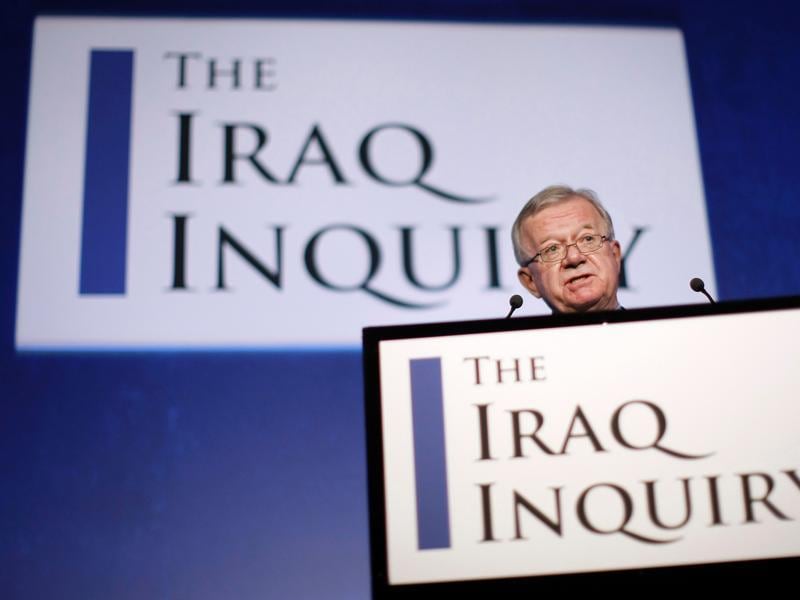
Read: Probe slams Blair over Iraq war, UK ex-PM ‘will take full responsibility’
Here are some key conclusions from the 2.6-million-word report by retired civil servant John Chilcot:
1. Military action in 2003 was not the last resort and Blair exaggerated the case for war in Iraq. The report said “the UK chose to join the invasion of Iraq before the peaceful options for disarmament had been exhausted”. The report said, “In the absence of a majority in support of military action, we consider that the UK was, in fact, undermining the Security Council’s authority.”
2. Iraqi ruler Saddam Hussein posed “no imminent threat” and Blair’s government presented an assessment of the threat posed by Hussein’s weapons with “certainty that was not justified”.
3. Blair blindly went along with US war plans. “I will be with you, whatever,” said Blair’s note to then US president George W Bush on July 28, 2002 – nearly a year before the March 2003 invasion. At the end of January 2003, Blair accepted the “US timetable for military action by mid-March” and “set the UK on a path leading to diplomatic activity in the UN and the possibility of participation in military action in a way that would make it very difficult for the UK subsequently to withdraw its support for the US”.
4. War based on “flawed intelligence”. The report said, “It is now clear that policy on Iraq was made on the basis of flawed intelligence and assessments. They were not challenged, and they should have been.” Judgements about the severity of the threat posed by Iraq’s weapons of mass destruction (WMDs) were presented with a “certainty that was not justified”.
5. Report was more cautious about the dossier on Iraq’s WMDs that was released by Blair’s office in September 2002 and has become a focal point for criticism of the plan for war. “There is no evidence that intelligence was improperly included in the dossier or that Number 10 improperly influenced the text,” the report said.
6. The government failed to achieve its objectives and plans for post-war Iraq were “wholly inadequate”. Referring to ousted Iraqi dictator Saddam Hussein, the report said, “Despite explicit warnings, the consequences of the invasion were underestimated. The planning and preparation for Iraq after Saddam were wholly inadequate.” Blair “did not ensure that there was a flexible, realistic and fully resourced plan that integrated UK military and civilian contributions and addressed the known risks”.