
 E-Paper



A Bitcoin Blunder for the Ages: $40 Billion Accidentally Given Away
A botched prize giveaway has landed a South Korean cryptocurrency exchange in hot water.


 Prefer HTon Google


SEOUL—The hundreds of prize payouts were mostly just a few bucks each, part of a promotional campaign by a South Korean cryptocurrency exchange. The total reward pot: 620,000 Korean won, or about $425.
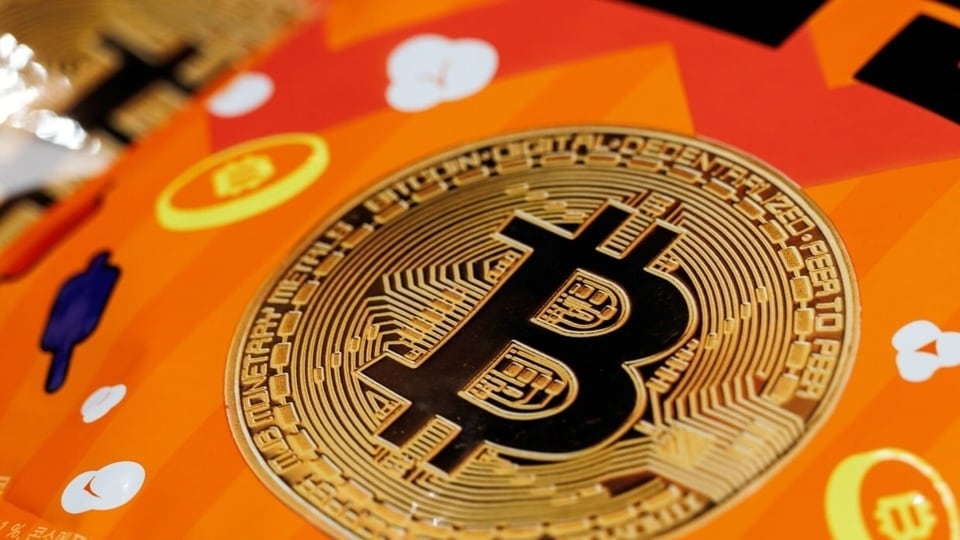
Then came a colossal mistake. A staffer for Bithumb, South Korea’s No. 2 crypto exchange, didn’t distribute 620,000 Korean won.
Rather, the prizes, due to an input error, emerged in a different currency: 620,000 bitcoins, valued at more than $40 billion.
That meant a winner who should have received a sum of 2,000 won—enough to buy a cheap cup of coffee—reaped, at least momentarily, more than $120 million in bitcoins.
Enough recipients sought to sell or withdraw bitcoin that the market sank 17%, before Bithumb halted transactions after roughly 30 minutes. Those affected included investors who had held bitcoin before the botched giveaway. The losses totaled about $685,000, Bithumb says.
The company has since said it has reversed the transactions or had recipients voluntarily return more than 99% of the misdistributed bitcoins. But Bithumb is still trying to convince users who during the brief window of trading managed to offload more than 100 bitcoins, valued at roughly $9 million, to give back the equivalent funds.
The debacle has landed Bithumb—a trusted name in one of the world’s most active retail crypto markets—in a self-inflicted crisis. Lawmakers are calling for tighter laws. Local financial-market regulators say the gaffe has exposed fundamental weakness in the country’s digital-asset industry.
The company has offered to cover losses, plus other compensation, to anyone who sold their bitcoin in an effort to contain their losses. It dropped trading fees this week for all assets. Bithumb has pledged to establish a permanent “Customer Protection Fund” of roughly $70 million to protect users in the event of another accident.
Bitcoin’s fraud-detection system didn’t appear to have been triggered, according to local cryptocurrency experts. South Korean lawmakers have raised concern over the so-called “phantom coin” issue: How Bithumb was able to distribute 620,000 bitcoins when its own stockpile appeared to have numbered closer to 50,000.
On Tuesday, South Korea’s financial regulators said they had opened a formal investigation into Bithumb. That could lead to potential fines or other penalties.
Bithumb is fully cooperating with the investigation and has round-the-clock monitoring to prevent similar incidents, a company spokesman said.
Cryptocurrency exchanges, by local law, can’t allow trades exceeding the actual supply of coins held in their digital vault. But that doesn’t appear to be the case with the recent Bithumb activity, representing a “catastrophic failure of internal controls,” said Lee Jung-soo, who advises the South Korean government on digital-asset policy.
“For Korea’s second-largest exchange to have such porous IT systems is almost unbelievable,” said Lee, a law professor at Seoul National University, referring to the lack of a robust monitoring system.
Accidental giveaways and losses of bitcoin are rare, especially at this scale. An IT worker from Wales lost around 7,500 bitcoin he mined in 2009 after a hard drive was mistakenly thrown away during an office cleanup. In 2021, the now-bankrupt crypto lender BlockFi erroneously sent hundreds of bitcoins to some users, though it later recouped much of the funds.
Write to Timothy W. Martin at Timothy.Martin@wsj.com


