E-Paper


By 2005, Galápagos teams removed Santiago’s last goat; an endangered daisy tree later recovered enough for a status downgrade proposal
After goat eradication on Santiago, the endangered Scalesia atractyloides rebounded, prompting a proposal to downgrade its status.

 Prefer HTon Google


With the removal of the feral goats on Santiago Island in the Galápagos, there were opportunities for native vegetation to grow once again after years of grazing. According to the Galápagos Conservancy’s account of Project Isabela, the project started in 1997 as an effort to remove mammals from some of the Galápagos islands and recorded the eradication of the last feral goat from Santiago in 2005. In 2006, Santiago Island was declared free of goats, pigs, and donkeys.
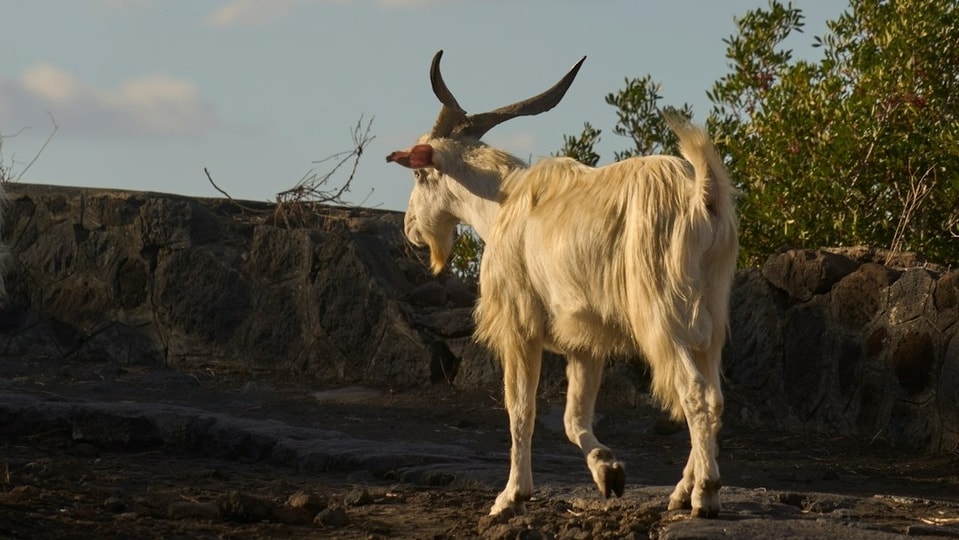
The 2011 study published in the journal PLOS ONE detailed the scale and cost of the operation. Researchers reported that 79,579 goats were removed from Santiago Island over 4.5 years, at a cost of $6.1 million. The rapid recovery of the endemic daisy tree, Scalesia atractyloides, following goat eradication subsequently led to a proposal to downgrade its endangered status.
An island changed by the introduced animals
Goats were introduced to the Galápagos Islands in the 1800s and eventually spread to 13 islands, according to the Galápagos Conservancy. On Santiago Island, grazing by goats was causing destruction of the local plant life, while introduced pigs and donkeys were changing the ecological balance on the island. According to the Galápagos Conservancy, introduced mammals created quite a different ecosystem from the natural one.
Project Isabela was developed through collaboration between the Charles Darwin Foundation and the Galápagos National Park Directorate. Some of the objectives of the project involved the removal of goats and donkeys from the northern regions of Isabela, goats, pigs, and donkeys from Santiago, and goats from Pinta. Field operations for goats on Santiago Island were conducted starting in 2001. Initially, ground hunters carried out the mission. However, aerial hunting using helicopters commenced in 2004.
With the reduction in goat numbers, the task of finding the remaining ones became more difficult. The teams used radio-collared “Judas goats,” which were set free to search for the remaining goats. The remaining goats were then tracked using the collared animals. According to the Galápagos Conservancy, the last goat was finally removed from Santiago Island in 2005. It was declared free of all large mammals in 2006.
The PLOS ONE researchers also explained the high costs of removing the remaining goats. Of the approximately 79,600 goats removed from Santiago Island, the final 1,000 cost roughly $2 million to eliminate over 1.5 years. While removing individual goats initially cost between $10 and $100, the cost exceeded $10,000 per animal toward the end of the operation.
Vegetation recovers, but restoration efforts continue
As the large herbivores disappeared, native plant species recovered. According to Galápagos Conservancy, the regrowth of small trees from the stumps left behind by the goats occurred in addition to an increase in highland shrubs, forest tree saplings, and the endemic Opuntia cactus also increased.
The study in PLOS ONE observed an increase in the number of populations and individuals of eight endemic plants on the IUCN Red List. It included the endangered Scalesia atractyloides, which scientists had assumed to be extinct. The quick recovery of this rare species after the goats’ extermination on Santiago Island raised the question about the reconsideration of its endangered status.
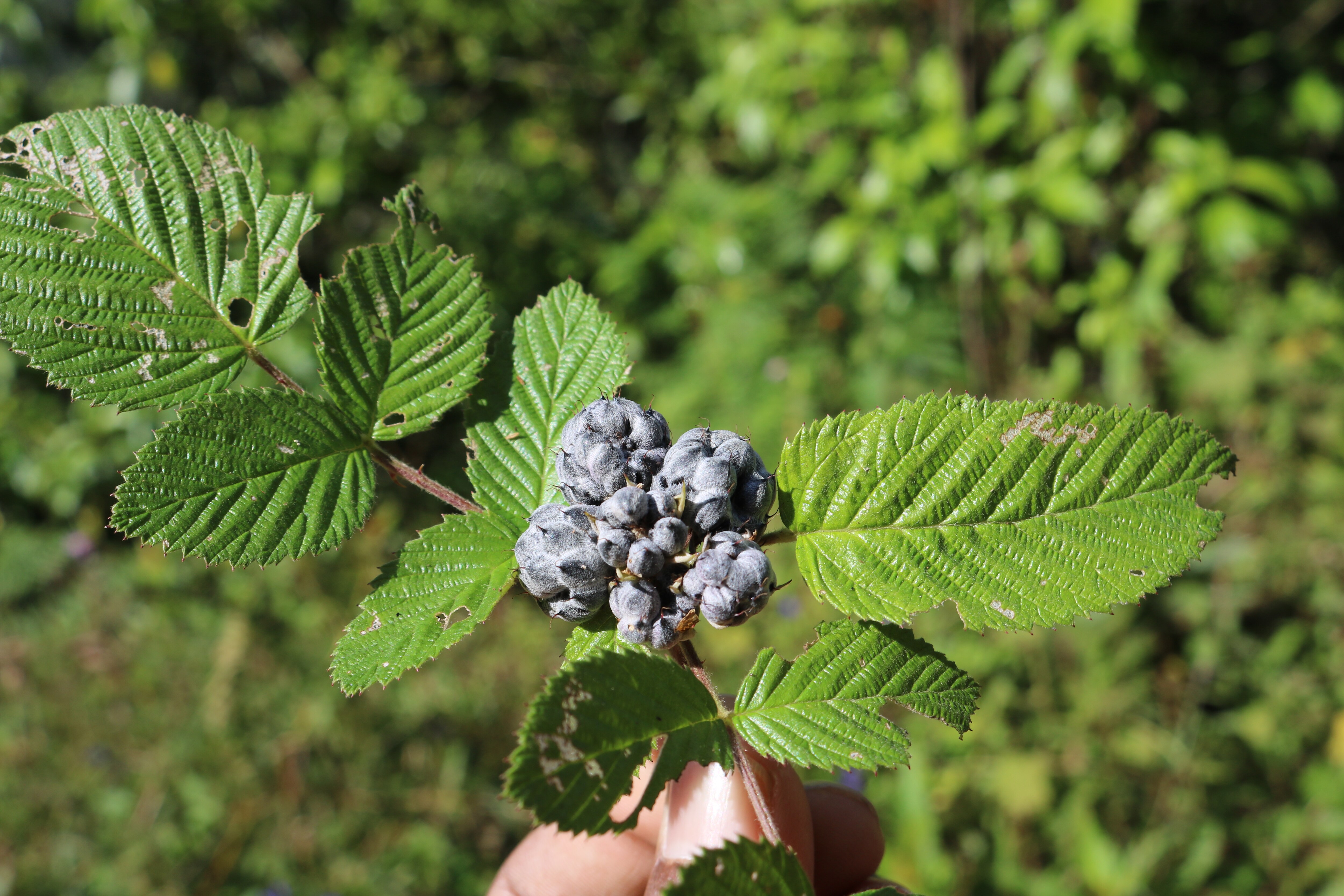
This does not mean that all ecological issues disappeared as well. According to the Galápagos Conservancy, the introduced blackberry expanded widely across many parts of Santiago’s highlands after the goats' elimination from the territory. It had previously been controlled, raising new management concerns. The study's authors also warned that invasive plants could spread as native vegetation recovered after the herbivores were removed.
One more issue that the research revealed is the fact that goats can appear again on an island declared free from them. In 2009, six goats were brought back to Santiago Island three years after its declaration as being goat-free.
The case of Santiago shows the extent of recovery possible through island restoration. Although removing the non-native animals allowed natural vegetation and endangered plants to recover, it did not mean conservation efforts were no longer required.