France President Emmanuel Macron on Friday named Francois Bayrou, a centrist ally, as prime minister of the country after a historic parliamentary vote ousted the previous government last week.
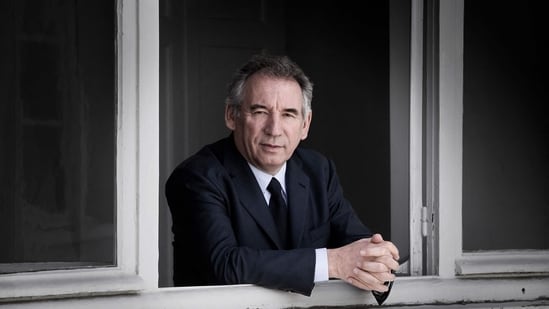
Bayrou, 73, a crucial partner in Macron's centrist alliance, is said to be a popular figure in French politics, with his political experience seen as playing a key role in efforts to restore stability as no single party holds a majority at the National Assembly.
Bayrou was recently cleared in a case alleging embezzlement of European Parliament funds.
Also Read | France: 4 face trial for ‘cyber harassment’ of first lady Brigitte Macron
Last week, Macron confirmed he would remain in office until his term ends in 2027, after a no-confidence vote over budget disputes left France without a functioning government.
Political agreement for new PM
Macron was working on a political agreement to appoint a new prime minister and ensure the stability of the country following the resignation of Prime Minister Michel Barnier, a government spokesperson said Wednesday.
{{/usCountry}}Macron was working on a political agreement to appoint a new prime minister and ensure the stability of the country following the resignation of Prime Minister Michel Barnier, a government spokesperson said Wednesday.
{{/usCountry}}Maud Bregeon, the spokesperson, said Macron emphasised there was no wider political alliance beyond the current one between his centrist allies and the conservative Republicans party, which lacks a parliamentary majority. She shared comments from Macron made during a weekly Cabinet meeting.
Barnier’s government was to handle current affairs until a new prime minister was appointed.
Two possible options were being considered, according to Bregeon.
The first involved expanding the current political alliance, potentially bringing in left-wing members alongside centrists and conservatives. This could have given the government a majority in parliament.
The second option was to reach an agreement with left-wing opposition parties to prevent them from voting in favor of a no-confidence motion, even if they did not join the government.
Since last week, Macron held talks with both left and right-wing politicians, including Socialist leaders, who are seen as key to forming a more stable government.