
 E-Paper



Ghana reports highly infectious Ebola-like Marburg virus: Symptoms, treatment
This outbreak marks only the second time that the disease has been detected in West Africa — after Guinea confirmed a single case detected in August, according to the WHO.

 Prefer HTon Google


Ghana has announced the country’s first outbreak of Marburg virus disease after a World Health Organization (WHO) laboratory confirmed earlier test results.
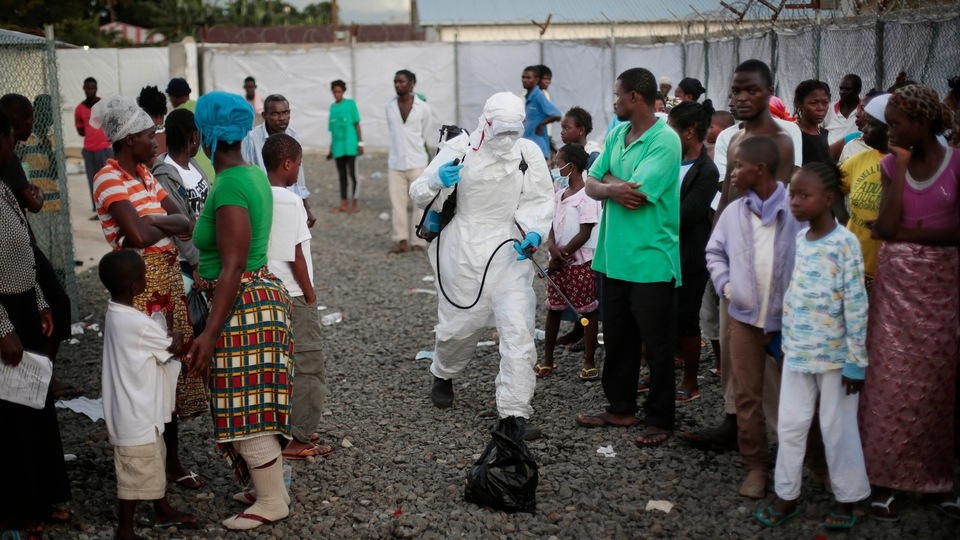
The disease, a very infectious hemorrhagic fever in the same family as Ebola, is spread to people by fruit bats and transmitted among people through direct contact with bodily fluids of infected people and surfaces, the WHO said.
A preliminary analysis of samples from two patients from Ghana's southern Ashanti region — both of whom died and were unrelated — turned up positive, but were forwarded for full confirmation to the Institute Pasteur in Dakar, Senegal. That UN health agency lab corroborated the results from the Noguchi Memorial Institute for Medical Research in Ghana, WHO said in a statement on Sunday.
This outbreak marks only the second time that the disease has been detected in West Africa — after Guinea confirmed a single case detected in August, according to the WHO. Previous Marburg outbreaks and individual cases have appeared in Angola, Congo, Kenya, South Africa and Uganda, it said.
Symptoms of Marburg virus
According to the WHO, the incubation period (interval from infection to onset of symptoms) varies from 2 to 21 days.
Illness caused by Marburg virus begins abruptly, with high fever, severe headache and severe malaise.
Muscle aches and pains are a common feature. Severe watery diarrhoea, abdominal pain and cramping, nausea and vomiting can begin on the third day.
Diarrhoea can persist for a week. The appearance of patients at this phase has been described as showing “ghost-like” drawn features, deep-set eyes, expressionless faces, and extreme lethargy.
Fresh blood in vomitus and faeces is often accompanied by bleeding from the nose, gums, and vagina. Spontaneous bleeding at venepuncture sites (where intravenous access is obtained to give fluids or obtain blood samples) can be particularly troublesome. During the severe phase of illness, patients have sustained high fevers.
In fatal cases, death occurs most often between 8 and 9 days after symptom onset, usually preceded by severe blood loss and shock.
Diagnosis
Confirmation that symptoms are caused by Marburg virus infection are made using the following diagnostic methods:
>Antibody-capture enzyme-linked immunosorbent assay (ELISA)
>Antigen-capture detection tests
>Serum neutralisation test
>Reverse transcriptase polymerase chain reaction (RT-PCR) assay
>Electron microscopy
>Virus isolation by cell culture.
Treatment
Currently, there are no vaccines or antiviral treatments approved for MVD. However, supportive care – rehydration with oral or intravenous fluids – and treatment of specific symptoms, improve survival.
There are monoclonal antibodies (mAbs) under development and antivirals e.g. Remdesivir and Favipiravir that have been used in clinical studies for Ebola Virus Disease (EVD) that could also be tested for MVD or used under compassionate use/expanded access.
(With inputs from agencies)


