
 E-Paper



Homes of Nepal PM KP Oli, other top leaders set ablaze in anti-corruption protests sparked by social media ban | Videos
Several social media platforms were blocked last week in Nepal after failing to comply with a new regulation requiring registration and government oversight.

 Prefer HTon Google


Protesters in Nepal have set fire to the homes of Prime Minister KP Sharma Oli and other senior leaders in the ongoing protests ignited by a since-revoked social media ban. Hours after the ban was lifted early Tuesday, the protests continued over the wider issue of corruption.
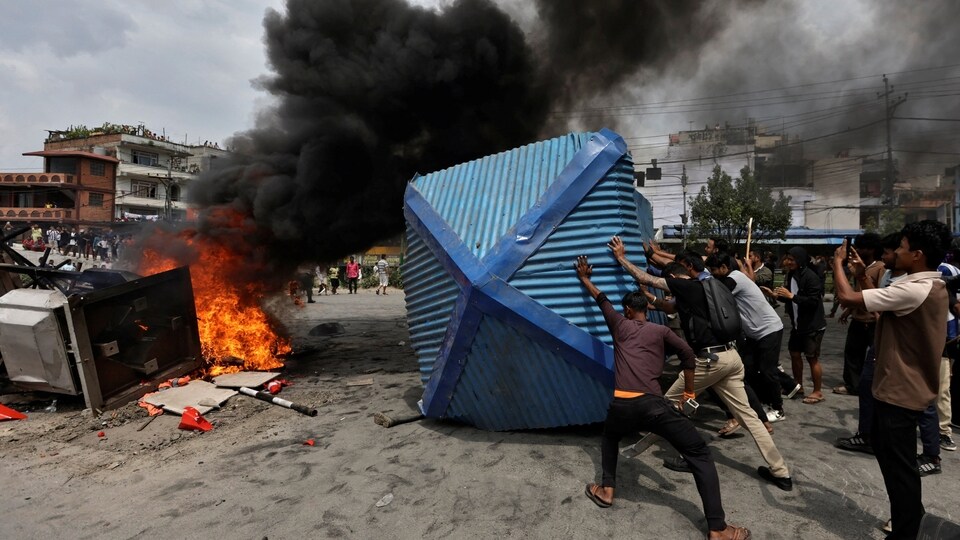
People gathered near PM KP Sharma Oli’s private residence in Balkot to demand answers for Monday’s fatalities, and set the residence on fire, local media The Himalayan Times reported.
Videos and reports shared on social media showed protesters attacking the homes of top political leaders in and around Kathmandu. A curfew was imposed in the capital and other cities, and schools in Kathmandu were closed.
The homes targeted by protesters included those of Sher Bahadur Deuba, leader of the Nepali Congress; President Ram Chandra Poude; home minister Ramesh Lekhak; and the opposition's Pushpa Kamal Dahal ‘Prachand’, leader of the Communist Party of Nepal (Maoist), AP reported.
A private school owned by Deuba’s wife, Arzu Deuba Rana, who currently serves as foreign minister, was also set ablaze.
Several major social media platforms, including Facebook, X, and YouTube, were blocked last week in Nepal after failing to comply with a new regulation requiring registration and government oversight.
HT.com has not independently verified the videos circulating on social media.
On Monday, protests against the ban drew tens of thousands to the streets of Kathmandu, with demonstrators surrounding the Parliament building before police opened fire, leaving 19 people dead.
Oli has announced the formation of an investigative committee to submit a report within 15 days, promising compensation for those who lost their lives and free treatment for the injured.
The violence erupted amid the government’s broader push to regulate social media through a new bill aimed at ensuring platforms are “properly managed, responsible and accountable.”
The bill requires social media companies to appoint a liaison office or point of contact in Nepal. Human rights groups have called the move an attempt to curtail freedom of expression and other fundamental rights.
With agency inputs


