When Taal Volcano erupted in January 2020, the landscape around the Philippine volcano was transformed almost overnight. Ash darkened the surroundings, roads and communities were evacuated, and thousands of people were forced to leave their homes. But amid the destruction, one familiar face was still waiting on the volcanic island.
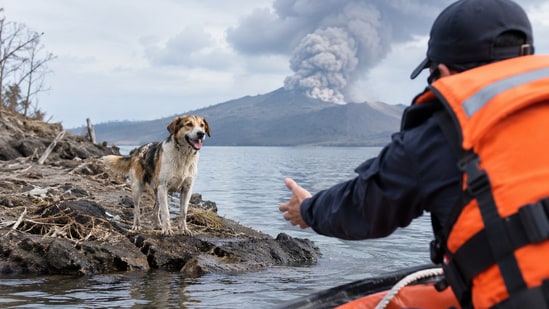
According to PETA Asia, rescuers feared they would never see Palakitik again after the eruption began on January 12. But when the animal rescue team reached Taal Island on January 15 and called her name from their boat, the dog came running through the ash to greet them. Palakitik, a community dog known to the rescue workers for years, was alive and was taken off the island for veterinary care.
A sudden eruption turns deadly
Taal had been relatively quiet since 1977 when it suddenly erupted on January 12, 2020. The eruption began with a phreatic event before intensifying into a much larger explosive episode, sending an ash-rich plume high above the volcano. A study published in Geology found that the water-rich eruption plume rose more than 10 kilometers and generated intense volcanic lightning. The eruption eventually produced thousands of cloud-to-ground flashes, adding another danger to an already dangerous situation.
The eruption also sent destructive base surges across parts of Volcano Island. A study in Scientific Reports found that these fast-moving flows reached speeds of about 50 to 60 meters per second near the crater rim and killed more than 1,000 livestock in the island’s southeast. As the eruption intensified, authorities ordered the evacuation of Volcano Island and areas within 14 kilometers of the volcano. People left quickly, but many animals could not be taken with them, leaving them behind in the evacuation zone.
The dog who knew the rescuers
{{/usCountry}}The eruption also sent destructive base surges across parts of Volcano Island. A study in Scientific Reports found that these fast-moving flows reached speeds of about 50 to 60 meters per second near the crater rim and killed more than 1,000 livestock in the island’s southeast. As the eruption intensified, authorities ordered the evacuation of Volcano Island and areas within 14 kilometers of the volcano. People left quickly, but many animals could not be taken with them, leaving them behind in the evacuation zone.
The dog who knew the rescuers
{{/usCountry}}Palakitik was not an unfamiliar animal to the people who eventually came looking for her. PETA Asia had been visiting Taal Island for years, providing veterinary services to working horses used by tourists. Palakitik had become a familiar presence during those visits. Whenever the group's boats approached the island, she would run toward them and follow the workers around. That routine made her disappearance after the eruption particularly worrying.
When the rescue group returned to the island on January 15, they did not know whether Palakitik had survived the eruption and ashfall. They reached the beach and called out her name. PETA Asia said she ran toward them through the ash after hearing her name. The rescue group gave her food and water before taking her off the island. Palakitik was dehydrated and had eye problems, so rescuers took her to a veterinarian before placing her in foster care. This was notable given the harsh conditions on the island at the time.
A rescue effort grows
Palakitik was just one of the many creatures trapped in the tragedy. The early rescue missions on the island revealed the presence of dogs, cats, chickens, ducks, horses, and many other animals that needed assistance. In addition, the team left food and water for any animal that could not be evacuated at once. With the permission of the concerned authorities, the scope of the mission became wider. On January 24, the team reported the rescue of 132 animals from around the Taal Volcano.
The need was not limited to animals on the island itself. Many animals had been abandoned in the wider evacuation zone after their owners fled. Some were locked inside compounds or cages, leaving rescuers to provide food and water until they could be safely removed. The eruption eventually subsided, but its effects were visible for months. NASA satellite imagery showed that heavy, wet volcanic ash had covered parts of the island, damaging vegetation and leaving sections of the once-green landscape gray.
Palakitik's story, however, ended on a more hopeful note. The dog that had once greeted rescue workers whenever their boats arrived had survived one of the island's most dangerous eruptions and was eventually moved to safety. Her rescue also highlighted a less visible consequence of volcanic disasters: animals can become stranded long after people have been evacuated.