
 E-Paper



India underlines 'Neighbourhood First' policy as Sri Lanka protests escalate
In a statement, the Ministry of external affairs said that this year alone, India has provided more than USD 3.5 billion to the island nation to help it overcome its current difficulties.

 Prefer HTon Google


A day after Sri Lanka witnessed its bloodiest day in the ongoing anti-government protests, triggered by the island nation’s worst economic crisis since independence, India said on Tuesday it is ‘fully supportive’ of its neighbour’s ‘democracy, stability and economic recovery.’
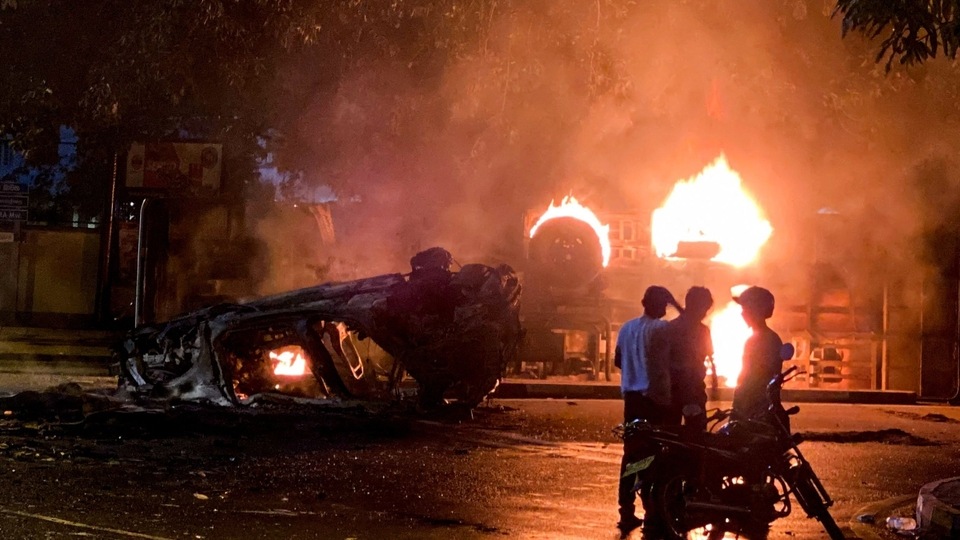
Also Read | Sri Lanka sees most violent day in recent weeks; PM quits, MP dies: 10 points
“In keeping with our Neighbourhood First Policy, India has extended this year alone support worth over US$ 3.5 billion to the people of Sri Lanka for helping them overcome their current difficulties. In addition, the people of India have provided assistance for mitigating the shortages of essential items such as food, medicine etc.” Arindam Bagchi, spokesperson, Ministry of external affairs said in a statement.
“India will always be guided by the best interests of the people of Sri Lanka expressed through democratic processes,” the statement further said.
On Sunday, Mahinda Rajapaksa--the elder brother of President Gotabaya Rajapaksa--resigned as Sri Lanka's prime minister, finally bucking under pressure to stand down, as anti-government protesters were attacked by supporters of President Gotabaya, in Colombo. The authorities responded by clamping a nationwide curfew and calling in the army.
Also Read | Sri Lanka crisis deepens: Curfew extended until May 11 as unrest grows
Enrages protesters, meanwhile, stormed and set ablaze ‘Temple Trees’--the prime minister's official residence in Colombo--prompting the military to intervene and evacuate Mahinda Rajapaksa and his family.
Also Read | How Sri Lanka PM Rajapaksa was evacuated as protesters stormed his home
The South Asian country of 22 million inhabitants is under a state of emergency for the second time this year. Sri Lanka became independent from British rule in 1948.
Nationwide protests against the crisis, which agitators blame squarely on the Rajapaksa family, began in the second week of March.


