Iranian Foreign Minister Abbas Araghchi has said the Strait of Hormuz could reopen within six days if the United States accepts Iran’s conditions, and negotiations could resume on the seventh day. He said Tehran was reviewing Washington’s comments on its proposal but maintained that the plan remained on the table.
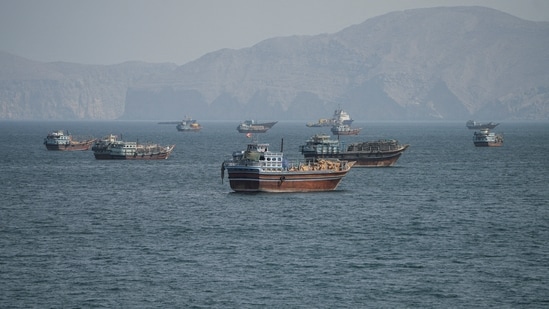
Iran’s conditions include lifting the US blockade on Iranian ports, removing sanctions on its oil exports and ending hostilities across regional fronts.
Separately, Iran’s newly appointed Defence Minister Mehrdad Akhlaghi warned that the US and its allies in the West Asia would suffer “enormous damage” if Washington resumed military action against Tehran, news agency Reuters reported.
Also Read: 'Only negotiated solution can end deadlock': Iran as Trump rejects peace plan
Iran's proposal to reopen the strait
Araghchi made the remarks to Iranian media while in Baghdad for a meeting of the Organisation of Islamic Cooperation (OIC). He said Tehran was reviewing comments received from Washington but that its seven-day proposal remained on the table.
{{/usCountry}}Araghchi made the remarks to Iranian media while in Baghdad for a meeting of the Organisation of Islamic Cooperation (OIC). He said Tehran was reviewing comments received from Washington but that its seven-day proposal remained on the table.
{{/usCountry}}“Our situation is clear and based on the seven-days proposal presented to the US. They shared comments which we are reviewing, but our proposal is still on the table and if there is any honesty on the US part, which there isn't, the way to reopening the Strait of Hormuz is obvious,” Araghchi said.
Under the proposal, the strait could reopen on the sixth day if Washington accepts Iran’s conditions, with negotiations resuming the following day, Araghchi said.
Reuters reported that Iran’s demands include lifting the US blockade on its ports, removing US sanctions on its oil exports and ending hostilities on all regional fronts.
Also Read: ‘They have no money coming in, dying’: Donald Trump claims Iran ready to reopen Strait of Hormuz
Why the US and Iran disagree
A key point of disagreement is Washington’s insistence on addressing Iran’s nuclear programme from the beginning of negotiations. Tehran, meanwhile, wants discussions to initially focus on reopening the Strait of Hormuz and restoring security in the waterway.
Earlier this month, US Vice President JD Vance said Iran must make a “meaningful” reduction in its uranium enrichment capacity to meet US demands and end the eight-month war between the two countries.
Iran presented its proposal in mid-September after an interim ceasefire collapsed. Tehran later acknowledged receiving a US response, but Iran’s security chief said last week that negotiations had stalled because Washington had not addressed all seven conditions for reopening the strait.
Before the war, the Strait of Hormuz carried about a fifth of global oil and liquefied natural gas (LNG) trade, according to Reuters. Tehran says negotiations should initially focus on reopening the waterway and restoring security there.
Iran's defence minister warns US
Separately, Iran’s newly appointed defence minister Mehrdad Akhlaghi warned on Sunday that the United States and its allies in the West Asia would suffer “enormous damage” if Washington resumed its military campaign against Iran.
“People can rest assured that they will most likely not dare to attack us,” Akhlaghi told reporters after securing parliament’s approval, as reported by AFP. “If they (the US) do, they themselves and the region will suffer enormous damage.”
Iran’s parliament approved Akhlaghi’s appointment as defence minister, with 237 lawmakers voting in favour out of 277 votes cast, according to the Iranian government website cited by AFP. He replaced Aziz Nasirzadeh, who was killed in a US-Israeli attack on a leadership compound on February 28, alongside former supreme leader Ayatollah Ali Khamenei and senior military commanders.
(With inputs from agencies)