
 E-Paper



ISKP commander who was its bridge with Pak’s ISI, Lashkar arrested
Munib Mohammed, arrested by the Afghan NDS, was the ISKP’s pointsperson for coordinating with other terrorist groups and ISKP

 Prefer HTon Google


A top commander of the so-called Khorasan wing of the Islamic State in Afghanistan who acted as the ISKP’s bridge with Pakistani intelligence agency and terror groups such as the Lashkar-e-Tayyiba has been arrested, Afghanistan’s National Directorate of Security said on Wednesday.
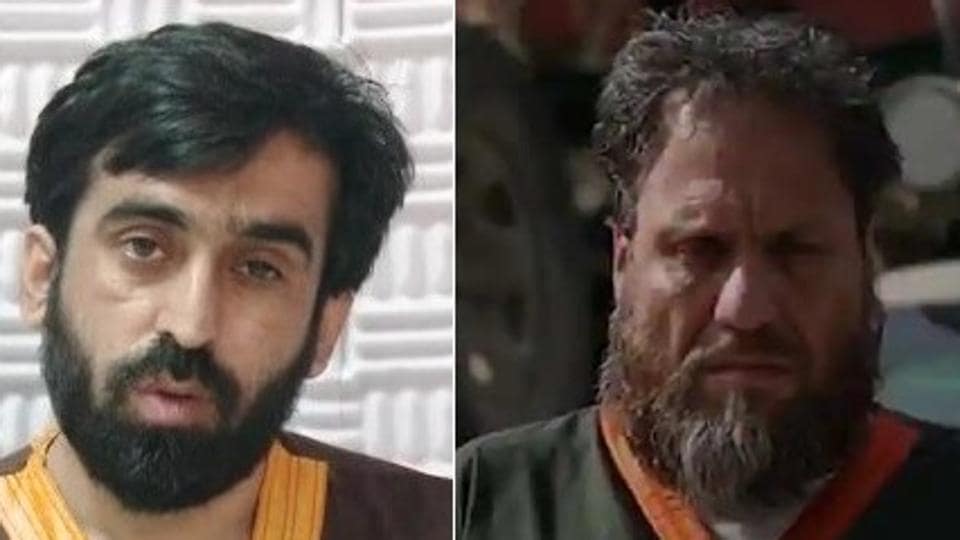
Counter-terror operatives in Delhi and Kabul told Hindustan Times that Munib Mohammad had, in his interrogation that has continued for more than a fortnight, has extensively spoken of the close links between Pakistan’s Inter Services Intelligence and the Islamic State of Khorasan Province.
Munib Mohammad aka Abu Bilal is a Pakistani national. He had first joined Al Qaeda before moving to Daesh (the Arabic acronym for Islamic State of Iraq and the Levant) in Afghanistan as a fighter. Then, he moved up the ladder.
By the time he was arrested by the National Directorate of Security along with his boss ISKP chief Aslam Farooqui on April 4, Munib Mohammad had become a member of the Central Council of Khurasan branch of Daesh.
When the ISKP set up its coordination centre, Munib Mohammed was put as the man in charge of “coordinating with terrorist groups and intelligence agencies of the region”, a NDS statement said.
The pointed reference to “intelligence agencies of the region” in the official statement is an euphemistic reference to Pakistan’s ISI.
Besides, the statement said Munib’s job description at the ISKP also involved coordinating with other terrorist groups such as Lashkar-e-Taib, Haqqani network, Sipah-e-Sahaba, Jamiat-ul-Ulema-e-Islam related to Maulvi Fazal-ul-Rehman and Taliban Peshawar Shura.
This is the first time that the NDS, after its spectacular operation on April 4 that netted the ISKP chief Aslam Farooqui aka Mawlawi Abudullah, has spoken about Munib Mohammad’s arrest.
The massive security operation, backed with pin-pointed intelligence, is believed to have decimated the top leadership of the Pakistan-sponsored module of the ISKP.
Also Read: Pakistan proxies in fight to the finish in Afghanistan, but India too needs to prep
The arrests came days after Farooqi’s ISKP claimed responsibility for the March 25 attack on a Sikh place of worship in Kabul that killed 27 people, including an Indian national. Among those arrested was also a Kashmiri, Aijaz Ahmad Ahangar, who had disappeared 25 years ago and was the chief recruiter for the IS in Jammu and Kashmir.
Aslam Farooqui on the instructions of Haqqani Network and LeT used Kerala resident Muhsin Tikaripur along with three other Urdu-Punjabi speaking attackers to massacre 27 innocent Sikh men and women in Shor Bazaar, Kabul, a counter-terror operative in Delhi said.
Aslam Farooqui, a Pakistani national with long-standing ties to the Lashkar-e-Taiba and Tehrik-e-Taliban Pakistan, had also detailed some aspects of his group’s collusion with the ISI.
It was a development that had been anticipated in Islamabad, which promptly called in Afghan ambassador Atif Mashal to seek custody of Aslam Farooqui. An official statement by Pakistan’s Foreign Office later insisted that Farooqui “was involved in anti-Pakistan activities in Afghanistan”.
The request was firmly rejected by Afghanistan in less than 24 hours.


