
 E-Paper



Pakistan proxies in fight to the finish in Afghanistan, but India too needs to prep | Analysis
Taliban deputy leader Sirajuddin Haqani and ISKP chief Aslam Farooqui may be Pakistan proxies but are in the middle of fight to the finish to capture Kabul

 Prefer HTon Google


Aslam Farooqui, the so-called Islamic State of Khorasan Province (ISKP) chief who was arrested on April 4, hasn’t really been singing like a canary as some expected. But he has spoken about his group’s links with Pakistani deep state, given interrogators an insight into the status of power struggle in Afghanistan and admitted how his fighters had been on the run and mostly, hiding in a eastern Afghanistan district. The big picture that has emerged from days of questioning at a location outside Kabul is that the Taliban will not share the spoils of power after the withdrawal of US armed forces from the country.
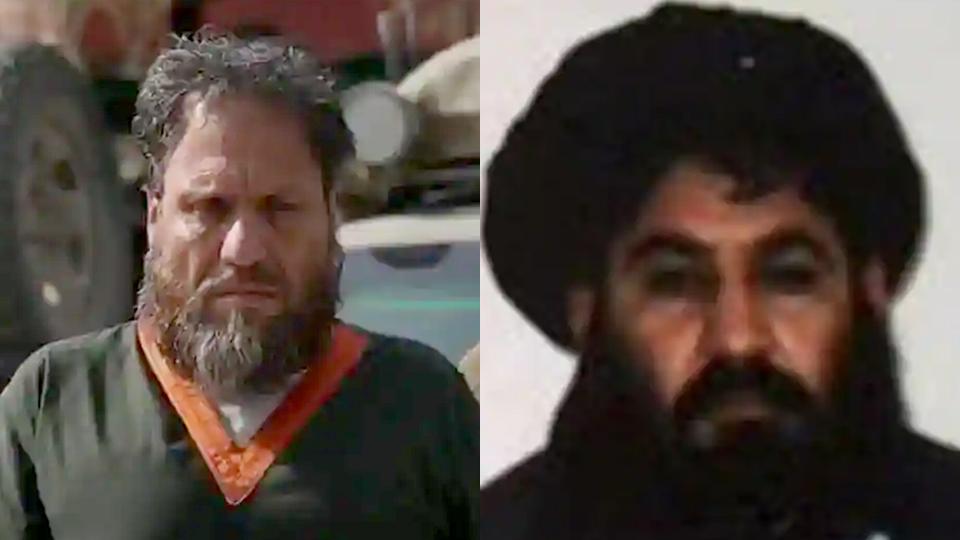
The Taliban, he has told interrogators in the early days of his interrogation, has neutralised 90 percent of the ISKP group in Afghanistan. This onslaught has forced his remaining fighters to seek shelter in Achin district of Nangarhar province, which shares the border with Pakistan.
It hasn’t helped the ISKP led by Farooqui, a Pashtun from Orakzai Agency, that the group largely comprises Pakistani nationals, right from those in Balochistan and Khyber-Pakhtunkhwa area to Islamabad and Pak-occupied Kashmir. The Sunni Pashtun Taliban have been mercilessly battering the ISKP for trying to operate from Kandahar, Kunar, Nuristan and Nangarhar provinces.
The Taliban, for the record, had promptly distanced itself from the March 25 attack on the Kabul gurdwara that killed more than 2 dozen Sikh worshippers. The attack was carried out by Farooqui group with a couple of radicalised Keralites from Kasargod involved in the massacre.
The Taliban, after some hiccups, has started taking the first steps to implement the February 29 deal with the US Special Representative for Afghanistan Reconciliation Zalmay Khalilzad that paves the way for the US and other foreign forces to quit Afghanistan. This pact requires the Afghan government to release 5,000 Taliban prisoners. The Taliban, on the other hand, would free 1,000 Afghan security force personnel. The exchange was supposed to have happened by March 10.
The Taliban released the first set of 20 Afghan security-force prisoners on Sunday, a development that the US special envoy described as an “important step in the peace process and the reduction of violence”.
It is still early to predict the course of events in the volatile state of Afghanistan. But there is growing evidence that the country is heading from being a Islamic Republic to Islamic Emirate, where Sharia laws will apply and back to the days when Taliban took control of Kabul in 1996.
Even though the US may have a limited footprint in the strife-torn country to manage its affairs in Central Asia, Pakistan and China, there are indications that the Taliban will not listen to its Pakistan, once its mentor, on every issue once it seizes power.
“The Taliban is not a monolithic body. It may be united to seize power in Afghanistan but there are elements within it that completely oppose Pakistan and some are advocates of the Durand Line being made into the new border with its eastern neighbour,” said a senior analyst based in Kabul.
That will complicate the situation for Islamabad.
Just as Pakistan, India is also going into uncharted waters once again as it supports the current regime including its Northern Alliance friends from the past two decades, it will have to deal with Taliban when it comes to power. And that day is not too far away.


