
 E-Paper



ISKP chief’s arrest for gurdwara attack brings out clear link to Pakistan’s ISI: Official
The arrests of the Islamic State Khorasan Province chief Aslam Farooqui and its two functionaries are a huge setback for ISKP and Pakistan’s intelligence agency

 Prefer HTon Google


In a massive security operation backed with pin-pointed intelligence , the Afghan security forces wiped out the entire Pakistan-sponsored module of the so-called Islamic State of Khorasan Province with the arrest of chief Mawlawi Abudullah aka Aslam Farooqui and 19 other top terrorists. A Pakistan national and a former Lashkar-e-Tayebba (LeT) operative, Farooqui was arrested for the massacre of 27 Sikh worshippers at Shor Bazaar Gurudwara in Kabul on March 25.
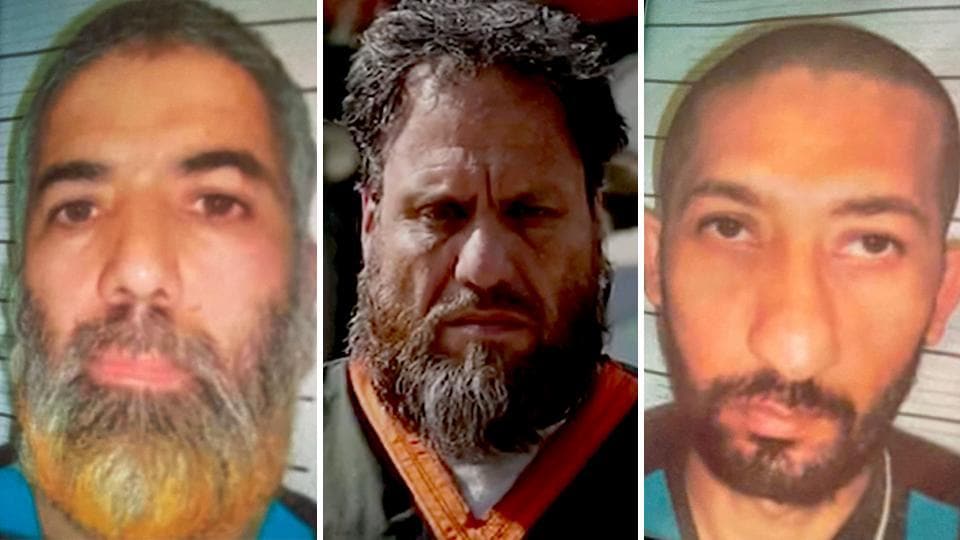
During interrogation by Afghan National Directorate of Security (NDS), Farooqui is understood to have laid bare links of ISKP with Pakistan’s Inter Service Intelligence. Top ISKP operatives Ali Mohammed from Islamabad and Salman from Karachi were also arrested along with Tanweer from Bangladesh. Salman, according to officials, is responsible for ISIS media links with so-called ISIS India. The other two arrested were top fighters for the terrorist group.
“The ISKP is just a demon child of Pakistan’s ISI, which is designed to hit at targets for larger tactical purposes of Rawalpindi GHQ. Among those arrested include terrorists from Khyber-Pakhtunkhwa, Balochistan, Nangarhar, Quetta, Pakistan- occupied-Kashmir, Karachi and Kunar Province. This is the biggest achievement of Afghan security forces to date,” said a senior counter-terror official.
WATCH | Mastermind of Kabul Gurudwara attack, ISKP terrorist Farooqui, captured
Pakistani national Mawlawi Abdullah, who was earlier associated with proscribed Lashkar-e-Tayebba group and then Tehreek-e-Taliban terror group, replaced Mawlawi Zia-ul-Haq aka Abu Omar Khorasani as ISKP chief in April 2019.
Farooqi belongs to the Mamozai tribe and hails from the Orakzai agency area on the Pak-Afghan border. His links with LeT and Haqqani network have also been revealed in the NDS official statement.
According to counter-terror operatives in Kabul and Delhi, Mawlawi Farooqi on the instructions of Haqqani Network and LeT used Kasaragod resident Muhsin Tikaripur along with three other Urdu-Punjabi speaking attackers to massacre 27 innocent Sikh men and women in Shor Bazaar, Kabul. Mushin was killed in the attack and his mother in Kerala informed of his death. The leader of Haqqani Network Sirajuddin is also the sword arm of the Taliban with very close links to Pakistani deep state. Tihan Singh an Indian national was also killed in the attack.
Although 27 Sikhs were killed in the terror attack which was criticised by US, allies and India, the main target of ISKP was the Indian Embassy in Kabul as both Pakistan and Taliban wanted India out of the developing Afghan political equation in the context of a peace deal with the US. Similar threats have been posed to Indian consulates in Jalalabad, Herat and Kandahar with India forced to withdraw its staff for purposes of safety.


