
 E-Paper



Israel-Hezbollah ceasefire deal begins: What happens next?
Hezbollah will withdraw from the southern border with Israel in line with UN Resolution 1701. US and France will support the implementation of the ceasefire.

 Prefer HTon Google


Israel and Iran-backed terror group Hezbollah agreed to a ceasefire after two months of all-out war that sent tensions soaring across the Middle East.
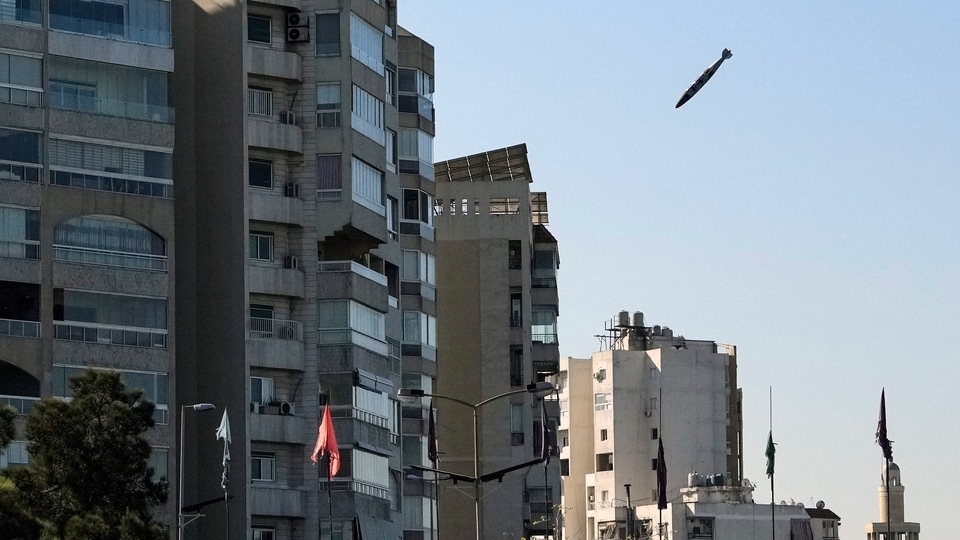
The ceasefire is aimed at facilitating the peaceful withdrawal of Israeli troops from southern Lebanon over the next 60 days. The deal was brokered by the United States, to bring the devastating conflict to an end.
Israel-Hezbollah ceasefire: What happens next?
Israeli forces will maintain their positions, but a 60-day period will commence during which Lebanese military and security forces will deploy to the south, according to a senior US official who was part of the negotiations.
This timeframe allows the Lebanese forces to reach Israeli positions, at which point Israel can begin a phased withdrawal without creating a power vacuum that could be exploited by Hezbollah or other groups, the official explained.
The withdrawal is expected to be completed within 60 days.

Hezbollah, which has been significantly weakened in recent months, has also agreed to withdraw from the southern border with Israel and move further north up the Litani River. This move is in line with UN Security Council Resolution 1701, which was adopted in 2006
US President Joe Biden emphasised that Hezbollah's terrorist infrastructure in southern Lebanon will not be allowed to rebuild under the terms of the agreement.
Biden stated that the United States, with France and other allies, would provide the necessary support to ensure the deal is fully and effectively implemented. However, he clarified that this does not involve sending US troops on the ground.
Instead, Biden affirmed that if Hezbollah or any other party violates the agreement and threatens Israel directly, Israel retains its right to self-defence under international law.
"If Hezbollah or anyone else breaks the deal and poses a direct threat to Israel, then Israel retains the right to self-defense consistent with international law," Biden said.
Who will enforce the ceasefire?
The United States and France will participate in the tripartite mechanism created after the 2006 war between Israel and Hezbollah, which includes the United Nations Interim Force in Lebanon (UNIFIL), Israel, and Lebanon. This mechanism, now to be chaired by the United States, will coordinate communication between the parties and address any violations to prevent escalation.
A military committee involving the armies of "several other countries" will also provide additional support to the Lebanese military in terms of equipment, training, and financial resources.
"We remain committed to being on the ground, day to day, watch what's happening and to let everybody know ... that the world is watching," the US official said.
What next for Lebanon?
Given that "Hezbollah is extremely weak at this moment, both militarily and politically," the ceasefire presents "the opportunity for Lebanon to reestablish its sovereignty over its territory," the US official said.
Over the next 60 days, the Lebanese Army and State Security Forces will deploy and reassert control over their land, marking a "new start" for Lebanon, Biden said.
What does the ceasefire mean for Gaza?
The ceasefire in Lebanon could become "a stepping stone towards getting a ceasefire deal in Gaza and bringing the hostages home," the US official said.
In large part that will be because the Palestinian militant group Hamas - which attacked Israel on October 7, 2023, prompting the invasion of Gaza - will realize that "Hezbollah has decided to abandon them and delink the two conflicts," he said.
"There's no one coming for their support anymore. I think that's a powerful change of reality on the ground... If anyone in Hamas thought that there was broad support for their cause, I think today they have learned that that is not the case," the official said.


