
 E-Paper



Most Americans oppose intervention in Greenland
American voters are unconvinced that the island should be in his cross-hairs.


 Prefer HTon Google


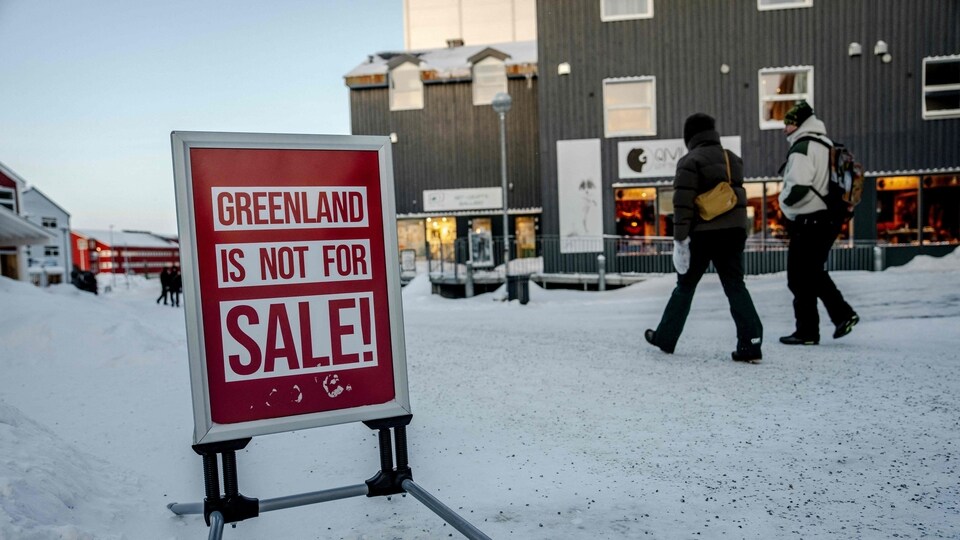
OVER THE PAST year America’s military interventions have played out like an action film. Stealth bombers flew for 18 hours straight to bury nuclear facilities in Iran; Venezuela’s dictator was snatched in the dead of night, still in his pyjamas. Now President Donald Trump is lining up his next target: Greenland.
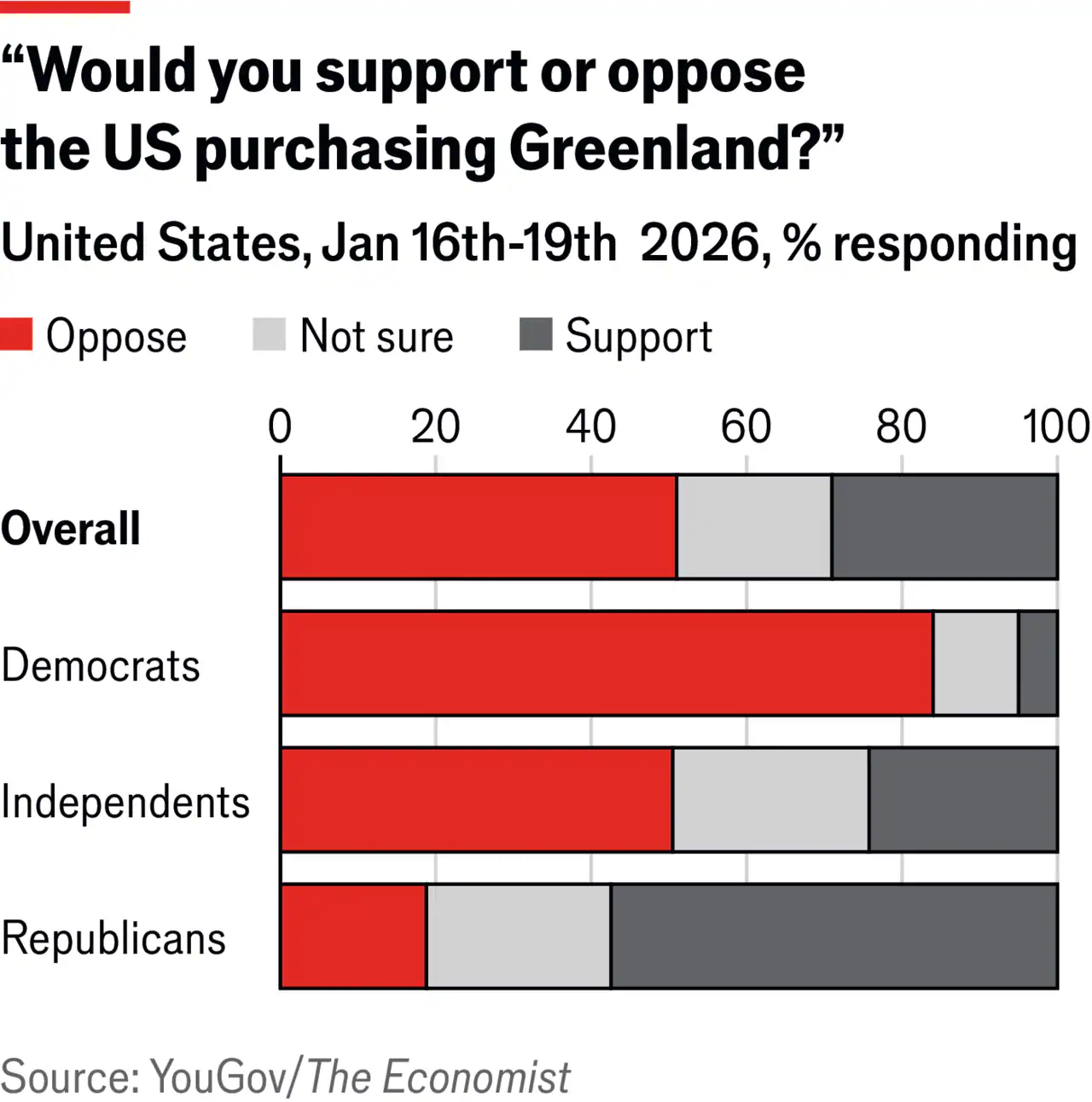
American voters are unconvinced that the island should be in his cross-hairs. In a poll of more than 1,500 Americans conducted for The Economist by YouGov between January 16th and 19th, just 29% of respondents approved of buying Greenland. Among Republicans, support stood at 58%, six percentage points higher than a week ago. Only 38% of all respondents polled earlier in January said the island was “very” or “somewhat important” to American security; the share rose to 60% among the president’s party.
Mr Trump has described such a purchase as “the easy way”, while declining to rule out a harder approach. Americans are lukewarm about a purchase but are firmly opposed to using force. Just 9% of respondents approved of military intervention in Greenland; 72% were against it. Even among Republicans just 22% were in favour while 52% were opposed.
That is far weaker backing than Mr Trump enjoyed ahead of interventions elsewhere. In December our polling showed that Republicans were more supportive of overthrowing Nicolás Maduro by force than opposed to it. A separate poll in June found that Republicans were evenly divided about bombing Iran.
Most Americans oppose territorial expansion—still less at the expense of a NATO ally. Even some Republican lawmakers have raised objections. But Mr Trump’s supporters have a habit of falling into line: after his interventions in Venezuela and Iran, Republican approval rose to 78% (from 44%) and to 70% (from 34%), respectively. They may yet come around on Greenland.


