Taliban government's deputy prime minister Mullah Abdul Ghani Baradar has returned to Kabul and assumed duties but has refused to take security from interior ministry headed by global terrorist Sirajuddin Haqqani.
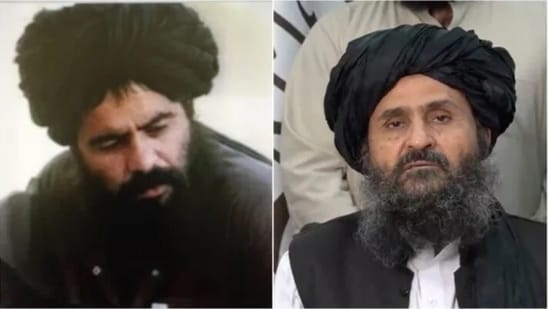
According to intelligence inputs from Kabul, nearly a month after reports surfaced that Baradar was injured in a fight with Haqqani faction in Kabul, the head of Taliban’s Doha peace process returned to Afghan capital from Kandahar on Tuesday. The Taliban leader was forced to issue an audio statement on September 13 to dispel reports about his death at the hands of Haqqani rivals. Baradar is said to have brought his own security and refused to take official security from the Interior Ministry despite the latter insisting that it was their job to provide personal security to the deputy PM.
While Baradar is now understood to be living in Kabul Palace, his backer and defence minister Mullah Yaqoob, son of Mullah Omar, is still in Kandahar. Sirajuddin Haqqani still stays in shadows and remains off and on in Kabul with his relatives, Anas and Khalil Haqqani, wielding the Haqqani network’s gun power in the regime.
According to Kabul watchers, with the arrival of Baradar, co-founder of Taliban, there will be escalation of tension within the government as the Yaqoob faction is a power rival to the ISI backed Haqqani faction with each Taliban leader on a solo political ambition. The same is the case with Afghan opposition to the Taliban with each leader ploughing a lone furrow and not willing to work together.
{{/usCountry}}According to Kabul watchers, with the arrival of Baradar, co-founder of Taliban, there will be escalation of tension within the government as the Yaqoob faction is a power rival to the ISI backed Haqqani faction with each Taliban leader on a solo political ambition. The same is the case with Afghan opposition to the Taliban with each leader ploughing a lone furrow and not willing to work together.
{{/usCountry}}Given the level of mistrust between the Taliban leaders, there is hardly any one for governance in the Sunni Pashtun Islamist set-up. With even pro-Taliban countries like China, Qatar, Pakistan, and Turkey still to recognize the terror regime with umbilical links with al Qaida, the Islamist regime has gone back to its brutal medieval ways by hanging so-called criminals from earth diggers and heavy-duty cranes in Herat province. These practices are like their brutal and repressive tactics during 1996-2001 period when Taliban under Mullah Omar held Kabul to AK-47 with medieval Islamic floggings the rule of the day.
While Pakistan is trying to extract its pound of flesh by getting the Taliban to bring its cousin, Tehreek-e-Taliban, Pakistan, on the negotiating table for a ceasefire, the west is embarrassed at its poor assessment of a so called moderate Taliban.
India, on its part, is waiting for those involved in the Doha peace process to make the first move or else be held responsible for the frightening human rights situation in Afghanistan.