E-Paper



Nepal turmoil refuses to end: Here's what happens next
This is the biggest crisis Nepal's democracy has faced since the monarchy was abolished in 2008 and has exposed a rift between the political elite and the youth

 Prefer HTon Google


Nepal has been thrust into political uncertainty after prime minister KP Sharma Oli resigned amid anti-corruption protests which turned violent after a social media ban. At least 19 people, many of them students, were killed in the unrest, which quickly spiraled into a wider movement against entrenched political elites.
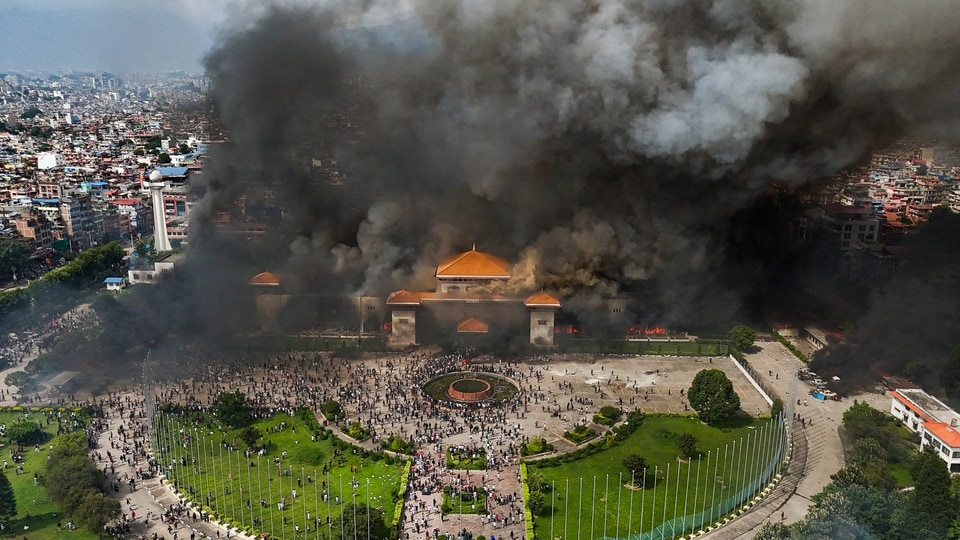
This is the biggest crisis Nepal's fledgling democracy has faced since the monarchy was abolished in 2008. The unrest has exposed a deep rift between the political elite and the country’s restless youth. (Track latest updates on Nepal unrest)
Also Read | Nepal Gen-Z protesters want former chief justice Sushila Karki, 73, as interim PM: Report
The next few weeks will determine whether Nepal’s leaders can negotiate with protesters, manage a constitutional transition, or head toward more instability - possibly even fresh elections under an interim setup.
Here's a look at what is happening and what could follow
What triggered the unrest?
The anti-corruption protests picked up steam on Monday after the government blocked more than two dozen social media sites, including Facebook, X and YouTube, accusing them of refusing to register and submit to government oversight.
What started as anger over censorship escalated into a much broader movement. Many young people, often referred to as Gen Z, expressed frustration with corruption, nepotism, and high youth unemployment, with thousands leaving the country daily for jobs abroad.
By Tuesday, the demonstrations turned violent, with protesters storming parliament, the presidential house, and the prime minister’s office, torching government and media buildings, and attacking politicians. foreign minister Arzu Rana Deuba and her husband, former prime minister Sher Bahadur Deuba, were beaten by mobs.
What is happening now?
- Military in charge: Soldiers have taken control of Kathmandu, enforcing curfews and firing warning shots to stop prison breaks. Over 27 suspected looters were arrested as security forces scrambled to restore order.
- Caretaker government: President Ram Chandra Poudel has accepted Oli's resignation and asked him to lead a caretaker government until a successor is appointed. But Oli's whereabout and position remain unclear, and he hasn't been seen in public since the protests started.
- Talks urged: The army has called on protesters to form a negotiation team, but with the movement leaderless, it remains unclear who represents the crowds.
What happens next?
Nepal’s 2015 constitution lays out a clear process for a scenario when the ruling government falls: The president must invite the party with a majority in parliament to form a government.
If no party has a majority, any member who can command a majority may be appointed, but must prove it through a confidence vote within 30 days.
If all attempts fail, parliament can be dissolved and fresh elections held.
The challenge: many established party leaders are discredited in the eyes of protesters, some even attacked or in hiding, raising doubts over whether the constitutional route will be accepted.
Rage, ruins and resignations: 50 photos that capture grim reality of Nepal protests
Could there be an interim government?
The constitution does not mention one, but legal experts argue Nepal may need a temporary, broad-based administration acceptable to protesters.
“Such a government can pursue the agenda for change that Gen Z want and also hold elections for a new parliament within six months,” constitutional expert Bipin Adhikari told news agency Reuters.
Amid the chaos in Nepal, reports say 'Gen Z' protesters want former chief justice Sushila Karki as the interim prime minister. Reuters reported that the secretary of the Supreme Court Bar Association was consulted by the protesters.
Who might Gen Z back?
As the protests rage on, two key figures have emerged:
- Balendra Shah (Balen Shah): The 35-year-old Kathmandu mayor and rapper, admired for his anti-corruption image and youth-friendly approach.
- Rabi Lamichhane: A former TV journalist who founded the Rastriya Swatantra Party in 2022. Protesters even freed him from prison on Tuesday, where he was awaiting trial on financial misconduct charges.
Both are viewed as outsiders to the old political elite, making them appealing to young demonstrators.
Is a new constitution on the cards?
Some protesters are demanding a rewriting of the 2015 charter, which was already controversial when adopted.
While the constitution allows amendments through parliament, demonstrators argue the existing political class cannot be trusted to lead meaningful reforms. Calls for a broader rethinking of Nepal’s political system are growing louder.
For now, Kathmandu is under curfew, guarded by soldiers trying to restore calm after days of unrest. What comes next will depend on whether the political establishment can find a way to engage with the protesters, or if the standoff deepens into prolonged instability.