
 E-Paper



Premium Conversations: Decoding the politics of I2U2 with Mohammed Soliman
Soliman, who suggested the idea of a broader Indo-Abrahamic accord — which laid the framework for the I2U2 grouping — spoke to HT about the roots of the idea, the nature of the arrangement, and its prospects, ahead of its first leader-level summit.

 Prefer HTon Google


Washington: Mohammed Soliman, a nonresident scholar at the Middle East Institute in Washington DC, shot to prominence when he suggested the idea of a broader Indo-Abrahamic strategic accord that would enhance India’s partnership with Israel, Gulf countries, and the United States (US) in a common framework.
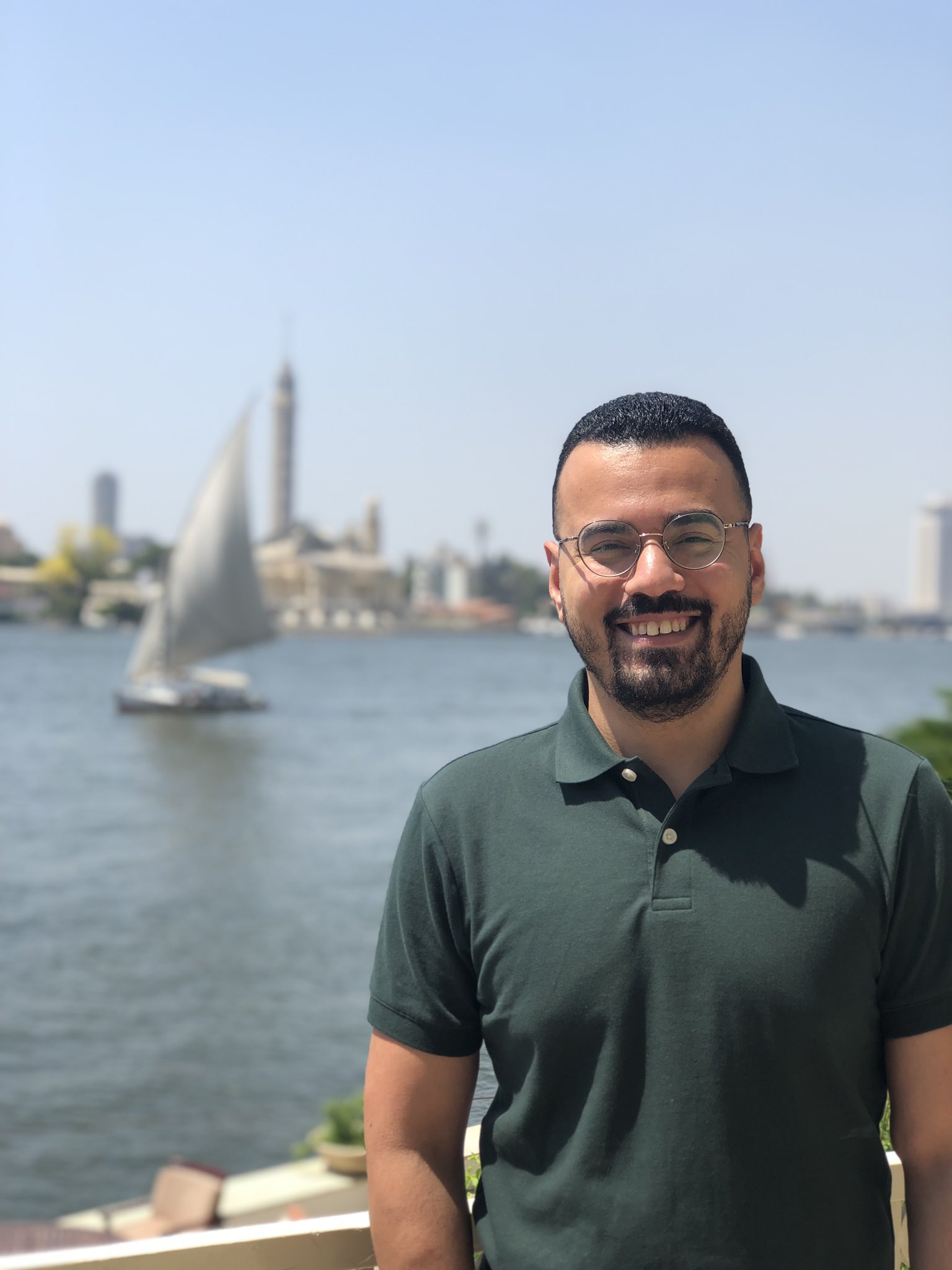
In 2021, as foreign ministers of what is now called the I2U2 grouping met, the idea gained political and strategic weight. On Thursday, I2U2 will host its first leader-level summit with the participation of Prime Minister (PM) Narendra Modi, United States (US) President Joe Biden, Israel’s PM Yair Lapid, and President of the UAE Sheikh Mohamed bin Zayed Al Nahyan.
Over a phone conversation and an email interview, Soliman, who is also associated with McLarty Associates, a strategic advisory firm in Washington DC, spoke to HT about the roots of the idea, the nature of the arrangement, and its future prospects.
You were the first to suggest what you have termed as Indo-Abrahmic accords, which I2U2 reflects in a way. What’s the rationale for this new mechanism?
The Middle East map used in Washington and Brussels doesn’t take into account the current geopolitical reality — the existence of West Asian geography that stretches from India to the Arabian Gulf states. Regional peace and stability in West Asia won’t be achieved through an outside global superpower such as the US, Russia, or China but through a regional balance of power.
The Indo-Abrahamic concept laid the framework for the I2U2 to build a coalition of nations that aims at achieving a regional balance of power with the help of the US as an offshore balancer.
How do you see Joe Biden’s decision to elevate the mechanism to a leader-level summit on Thursday? What’s the American interest in driving the initiative?
Washington wants to do more with less in non-priority theatres such as Europe and the Middle East, in order to pivot to the Indo-Pacific, where Taiwan is seen as a decisive battle that will define the US’s role globally for the decades to come. To do so, Washington wants to build a security architecture to deal with challenges in the region.
In the case of the I2U2, Israel, India, the UAE, and other future member states such as Egypt and Saudi Arabia are willing and capable partners and are investing in their military and security capabilities and want to stabilise their own region.
How important is India to this mechanism and what does it bring to the table?
There is a need to broaden our thinking about security in the Middle East to include India in order to incorporate New Delhi's economic size, military power, and demographics into the larger security and economic conversations in the broader region.
You seem to indicate that I2U2 should have a security dimension too. Or should that be left for the set of bilateral relationships between participating countries?
I2U2 will eventually have a security mechanism built in. The Gulf states, Egypt, Israel, and India should all be part of the US-backed missile and air defence shield. In the long run, this missile shield program provides New Delhi with a viable alternative to Russia's S-400 system. Furthermore, it establishes a concrete foundation for security and defence cooperation that will protect all members from malicious regional and global actors.
India’s relationship with Iran is very different from the relationship that US, Israel and UAE share with Iran. Does that deter the deepening of a mechanism of this sort?
The Indo-Abrahamic framework/I2U2 will allow for greater consensus-building among its member states and would center the bloc's strategic goals on a variety of issues, including technology, trade, energy, food, space, defence, and security. While India has traditionally had positive relations with Iran, Beijing's growing geopolitical and economic partnership with Tehran and New Delhi's alignment with Washington, Tel Aviv, Abu Dhabi, and Riyadh may change the nature of the India-Iran bilateral relations.
In your opinion, should the mechanism be expanded to include other countries at this stage? Should it find ways to interface with Quad?
Egypt and Saudi Arabia should be included in the Indo-Abrahamic/I2U2 framework due to their demographics, economic size, military power, and geopolitical aspirations. Egypt, India, Israel, Saudi Arabia, the UAE, and the US have the potential to coordinate on global and regional issues in order to collaborate in other strategic theaters such as the Indo-Pacific by cooperating with Quad. Furthermore, integrating the Indo-Abrahamic framework/I2U2+ with Quad shores up an overarching Asian order.


