
 E-Paper



Top Biden aide held de-escalation talks with Moscow amid nuclear risks: Report
This comes at a time when Ukraine President Volodymyr Zelensky warned of more Russian attacks on his country's energy infrastructure. Already over 4.5 million Ukrainians are affected.

 Prefer HTon Google


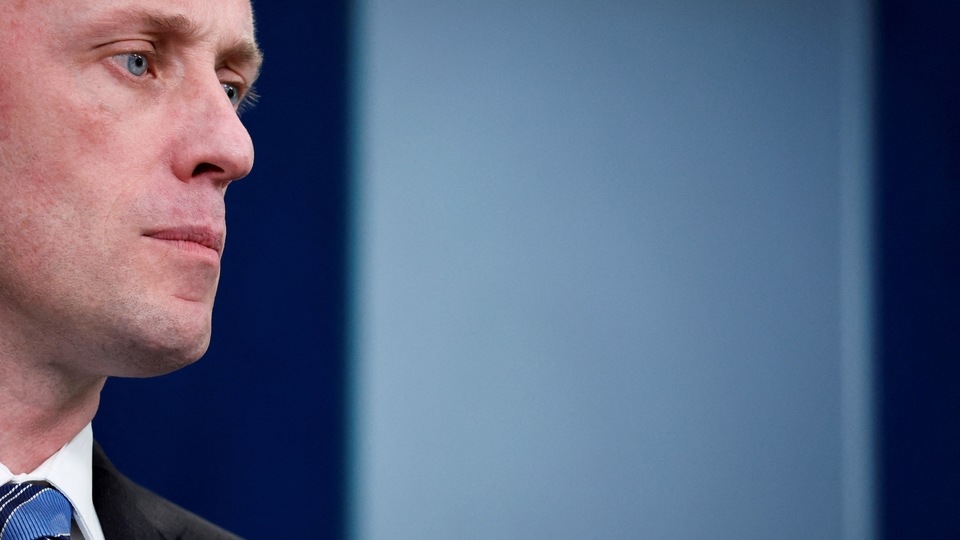
US National Security Advisor Jake Sullivan and senior Kremlin counterparts have held a series of confidential talks in recent months on reducing the risk of escalation of the war, giving Moscow a ‘clear message’ against using nuclear or other weapons of mass destruction, a White House official said in a recent broadcast, as quoted by a report in the Wall Street Journal on Sunday. A peace settlement was, however, not a goal of the discussions, according to the report.
This comes at a time when Ukraine President Volodymyr Zelensky warned of more potential Russian attacks on his country's energy infrastructure with over 4.5 million Ukrainians already affected.
According to the WSJ report, Sullivan alluded to US-Russian contacts after Russian leaders suggested that nuclear weapons might be an option in its war against Ukraine. “We do have the capacity to speak directly at senior levels and to be clear about our messages to them and to receive their messages,” Sullivan was quoted as saying on NBC’s ‘Meet the Press’ on September 25.
Here's what we know so far:
1. Biden's top aide Sullivan had travelled to Kyiv last week and pledged Washington's “unwavering and unflinching” support for Ukraine, during which he held talks with Kremlin officials, but they were not disclosed publicly. Sullivan has held private talks with aides Yuri Ushakov and Russian Security Council secretary Nikolai Patrushev – his counterpart – in recent months.
2. The conversations reportedly took place during the same time when the West has accused Moscow of ramping up its nuclear rhetoric, most recently by repeatedly accusing Kyiv of planning to use a radioactive “dirty bomb”. Notably, UN experts on nuclear power agencies have started inspecting the two sites where Russia made unfounded claims.
3. The White House is also privately suggesting Zelensky and his government to indicate an openness to talks with Russia as a way to help address the war support fatigue among some allies, a report in the Washington Post stated.
4. Earlier in September, Russian President Vladimir Putin said that Moscow was still open to talks with Kyiv and called on Ukraine to stop the hostilities. Zelenskyy, in turn, had said that Kyiv was ready for a dialogue with Moscow, but only if another president came to power in Russia.
5. Meanwhile, Ukraine President Zelensky, in his nightly address, said Russia was “concentrating forces and means for a possible repetition of mass attacks” on their infrastructure, starting with energy. If such attacks continue, the war's impacts on energy and food prices will persist into winter.


