
 E-Paper



Hormuz reopening, Iranian oil sales, foreign assets: What's inside US-Iran 60-day peace plan that's ‘close to signing’
The US-Iran peace plan includes reopening Strait of Hormuz, an end to fighting in Lebanon, allowing Iranian oil sales and curbing Tehran's nuclear programme.

 Prefer HTon Google


After marathon talks ongoing for weeks, US and Iran reportedly are finally close to signing a deal involving a 60-day ceasefire extension, more than a month after the two countries had agreed to a fragile ceasefire to temporarily pause the fighting.
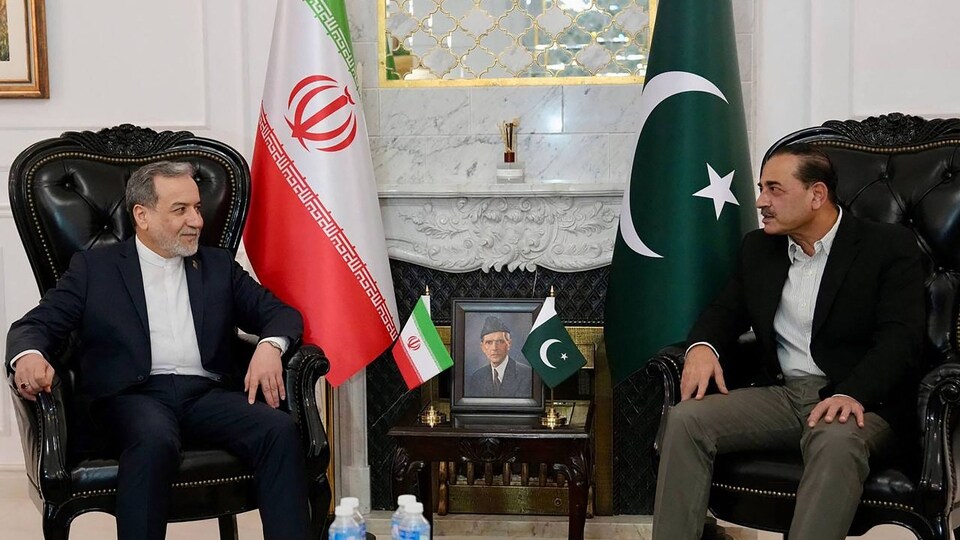
The proposed deal, confirmed by US President Donald Trump, would avoid a future escalation and bring a temporary respite in energy supply, which has been in shambles for the last three months.
A "largely negotiated" memorandum of understanding on an Iran peace deal would reopen the Strait of Hormuz, US President Donald Trump said on Saturday.
Follow latest updates on US-Iran peace talks
The President said the final aspects and details of the deal are currently being discussed. Iranian media later reported that the transit through the Hormuz will return to the pre-war level within 30 days, provided the US naval blockade is completely lifted.
Here are some of the key aspects of the 60-day truce deal for peace in West Asia:
Strait of Hormuz: In a post on Truth Social, Trump first said that the agreement includes reopening the Strait of Hormuz, the crucial shipping passage which has been closed by Iran, setting global energy markets to record highs since February 28. An Axios report said that during the 60-day period, the strait would open with no tolls and Tehran would agree to clear the mines in the strait. Iran meanwhile said that the traffic will resume in the strait to pre-war level in the next 30 days on the condition that the US will lift its naval blockade. Tehran has however reaffirmed its sovereignty over the Strait of Hormuz.
Iran's nuclear programme: The deal includes an "apparent commitment" by Iran to give up its highly enriched uranium, The New York Times reported. Iran has, however, not accepted any actions on its nuclear programme yet. According to Tasnim news agency, Iran has said the 60-day period will be allocated for discussion on the nuclear programme. A senior Iranian source told Reuters that Tehran's nuclear issue is not part of the preliminary agreement. The source added that Tehran has not agreed to hand over its highly enriched uranium stockpile.
Peace in 'three stages': The proposed peace talk would unfold in three stages: formally ending the conflict in the West Asia, resolving the crisis in the Strait of Hormuz and starting a 30-day window for negotiations on a broader agreement, Reuters reported citing sources.
Also Read: Trump says US-Iran deal ‘largely negotiated’: What does the proposed agreement include?
Iranian oil sales: In exchange for the US demand to reopen Hormuz, the Iranian side has demanded supervision of the strait, an end to the US blockade on Iranian ports and the lifting of sanctions on Iranian oil sales.
Tehran's overseas funds: Though Iran demanded unfreezing its funds overseas, but the US side said it would only happen after tangible concessions were made, according to Axios. Iran's Tasnim news agency later said Tehran has emphasized that any initial agreement will be conditional on the release of at least part of the country's funds. It added that the mechanism for releasing the remaining part of frozen assets must be specified during the negotiations process.
Fighting in Lebanon: The draft deal also makes it clear that the war between Israel and Hezbollah in Lebanon would end. Last time, the Israeli attack on Beirut was the centre of contention, putting the fragile peace plan at risk. Netanyahu has expressed concerns over the plan even as the US maintained that Tel Aviv would be allowed to take action if Hezbollah tried to rearm or instigate attacks.
What Iran said: Iran’s Foreign Ministry spokesperson said differences in the mediated talks between US and Iran remain “deep and significant”, adding that major obstacles still stand in the way of a formal agreement. Iranian media also said that the US commitment to withdraw its forces from Iran's surroundings is another point emphasized by Tehran in the proposed peace deal.


