
 E-Paper



The day after: Mixed emotions in post-Brexit UK
Individuals and families with European links lamented the loss of EU membership, while Brexit Party leader Nigel Farage led celebrations in London and elsewhere as the Brexit moment arrived at 11 pm GMT on Friday.


The United Kingdom woke up on Saturday bereft of its membership of the European Union, evoking mixed emotions after 47 years of shaping and being shaped by the group, with Prime Minister Boris Johnson acknowledging “a sense of anxiety and loss”.
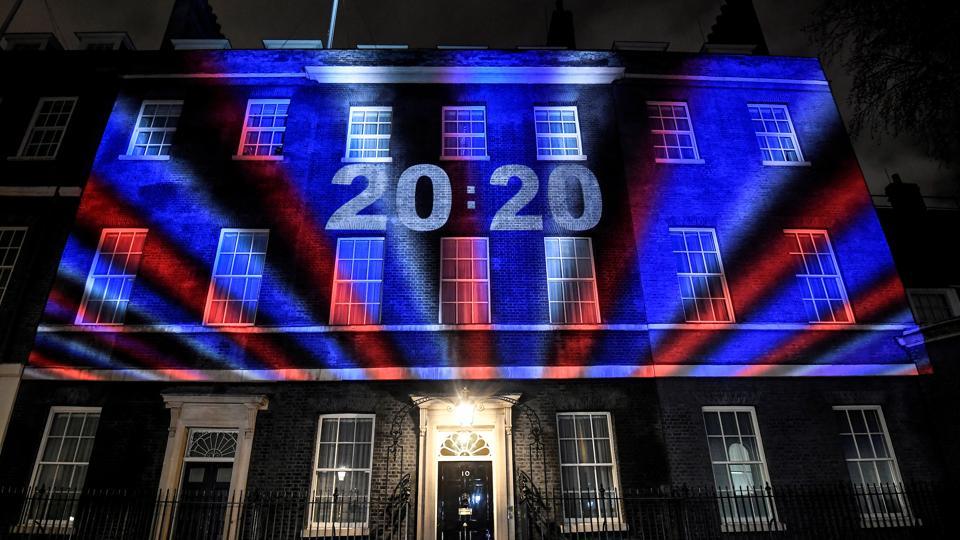
Individuals and families with European links lamented the loss of EU membership, while Brexit Party leader Nigel Farage led celebrations in London and elsewhere as the Brexit moment arrived at 11 pm GMT on Friday.
The Department for Exiting the European Union was abolished on Friday. The UK and EU moved into the ‘transition’ phase under the withdrawal agreement, lasting until December 31, by when trade and other post-Brexit arrangements are to be finalised.
In Scotland, which voted to remain in the EU in the 2016 referendum, demand grew for another independence referendum (after the one in 2014) so that it could later join the EU.
As the UK presented the picture of continuing divisions, celebrated writers Ian McEwan and John le Carre severely criticised the decision to leave the EU. Others opposed to Brexit called for getting on with the situation and trying to make the best of it.
McEwan wrote in The Guardian: “We sense damage and diminishment ahead. In a dangerous world crowded with loud-mouthed ‘strongmen’, the EU was our best hope for an open, tolerant, free and peaceful community of nations”.
“Our withdrawal will weaken resistance to the xenophobic tendency. The lesson of our nation’s history these past centuries is plain: turmoil in continental Europe will draw us into bloody conflicts. Nationalism is rarely a project for peace”.
Le Carre, who was awarded the Olof Palme Prize, said Brexit is ‘breaking my heart’, adding: “We Brits are all nationalists now. Or so Johnson would have us believe. But to be a nationalist you need enemies and the shabbiest trick in the Brexiteers’ box was to make an enemy of Europe”.
“One day somebody will explain to me why it is that, at a time when science has never been wiser, or the truth more stark, or human knowledge more available, populists and liars are in such pressing demand”.
However, Johnson, who won a landslide win in the December election on a Brexit manifesto, remained cautiously upbeat: “We have taken back the tools of self-government. Now is the time to use those tools to unleash the full potential of this brilliant country and to make better the lives of everyone in every corner of our United Kingdom”.


