Iran has said the United States accepted some of its seven conditions for reopening the strategic Strait of Hormuz but left other demands unresolved, prompting Tehran to describe Washington’s latest response as “insufficient” and warn that progress towards ending the war remains uncertain.
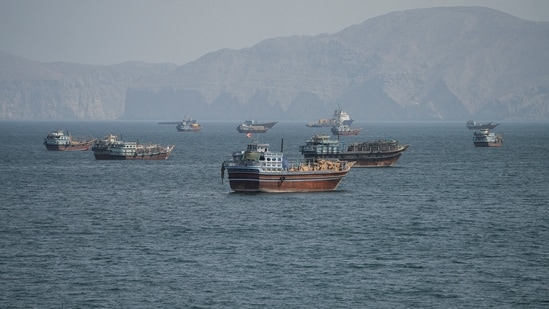
Mohsen Rezaei, secretary of Iran’s Supreme National Security Council, made the remarks on Sunday, October 11, according to Iranian state media. Tehran has made clear that it will not reopen the waterway to the US or resume negotiations until its conditions are met.
The US sent its response through Qatari intermediaries, who have been facilitating communication between Washington and Tehran as diplomatic efforts continue to end the conflict and restore maritime traffic through the Gulf.
“In their response, they have accepted some of our conditions, while others remain unclear,” Rezaei said, according to Reuters.
He did not specify which of the seven conditions Washington had accepted or identify the demands that remain unresolved.
Also read: Trump’s oceans? US President wants to rename either Atlantic or Pacific
Iran says it will not reopen Strait of Hormuz until conditions are met
{{/usCountry}}Also read: Trump’s oceans? US President wants to rename either Atlantic or Pacific
Iran says it will not reopen Strait of Hormuz until conditions are met
{{/usCountry}}Iran presented its proposal during the United Nations General Assembly, outlining a framework under which the Strait of Hormuz could reopen and normal maritime passage could be restored within seven days if its conditions were fulfilled.
Rezaei said Tehran had explicitly told Washington that the waterway would remain closed to the United States and negotiations would not proceed until the demands were addressed.
“We presented seven conditions to the Americans and clearly stated that the Strait of Hormuz would not be opened to them, and no negotiations would take place, until these conditions are met,” he said.
He also indicated that Iran was no longer responding to American messages, underscoring the impasse over the terms of a possible agreement.
Also read: ‘60 days of total ceasefire’: Zelensky places condition after Trump calls for Ukraine elections
Why the Strait of Hormuz matters
The standoff carries significant implications for global energy markets because the Strait of Hormuz is a critical route for international oil and liquefied natural gas shipments.
Before the war began in late February, roughly one-fifth of the world’s oil and liquefied natural gas supplies passed through the waterway, Reuters reported. Any prolonged disruption to shipping could complicate energy supplies and add to uncertainty in global markets.
The conflict began with US and Israeli attacks on Iran in February and has since involved repeated attempts to negotiate an end to the fighting.
Iran said in late September that it had received a US response to its latest proposal to revive a ceasefire agreement. That came days after US President Donald Trump said he had rejected the proposal.
Qatar and other mediators continue diplomatic efforts
Qatar and other regional intermediaries have continued transmitting messages between the two sides in an effort to find a way forward.
However, Rezaei’s latest comments suggest that the countries remain divided over the conditions required to restore maritime traffic and advance negotiations.
While Iran says Washington has accepted some of its demands, the absence of clarity over the remaining conditions leaves the proposal's prospects uncertain. Neither side has publicly confirmed a comprehensive agreement to reopen the Strait of Hormuz.
(With inputs from Reuters, AP)