Oil prices fell on Wednesday after US crude and fuel inventories increased, indicating higher supplies in the world's largest oil-consuming country. However, continued fighting between the US and Iran and attacks on ships in the Middle East limited the decline in oil prices.
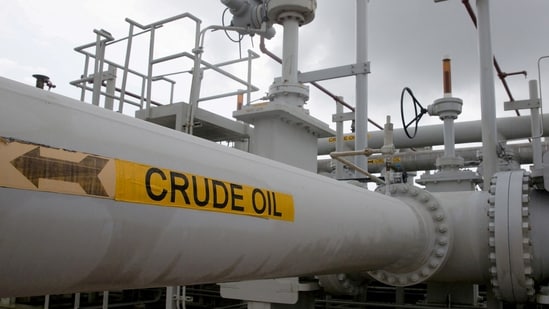
US West Texas Intermediate (WTI) crude futures fell 2%, or $1.67, to $84.34 per barrel by 0920 GMT on Wednesday. Brent crude futures also declined, falling 1.2%, or $1.15, to $91.99 per barrel, Reuters reported.
US crude inventories rise by 5.28 million barrels
US crude inventories increased by 5.28 million barrels in the week ending November 13, according to data from the American Petroleum Institute (API), cited by market sources on Tuesday.
US gasoline inventories also increased by 5.12 million barrels during the same week. Distillate inventories, which include diesel and heating oil, rose by 351,000 barrels, according to API data cited by market sources.
However, concerns over the US-Iran conflict and the safety of oil shipments through the Strait of Hormuz prevented a sharper decline.
{{/usCountry}}However, concerns over the US-Iran conflict and the safety of oil shipments through the Strait of Hormuz prevented a sharper decline.
{{/usCountry}}Oil prices had settled higher on Tuesday as attacks on ships in the Middle East increased, despite ongoing diplomatic efforts to reduce tensions between the US and Iran. Talks involving Iran and mediators Oman and Qatar were also continuing, Reuters reported.
One crew member was missing and 11 others were injured after an ADNOC Logistics and Services vessel was attacked in the Strait of Hormuz on Tuesday. The United Arab Emirates-based company confirmed the incident on Wednesday.
Another shipping incident took place off the coast of Oman on Monday, when an LPG tanker was hit by a projectile. The attack forced the vessel's crew members to evacuate the ship, adding to concerns over the safety of commercial shipping in the region.
Yemen's Iran-aligned Houthi group said on Tuesday that it had launched five drones towards two pumping stations on Saudi Arabia's East-West pipeline. Saudi Arabia uses this pipeline to transport oil towards the Red Sea, allowing it to bypass the Strait of Hormuz, according to Reuters.