E-Paper


Travelling to US? Here's how you can protect yourself from phone searches at the border
Travellers have been fearful about entering the US since the beginning of the second Trump administration, with many reportedly having been detained.

 Prefer HTon Google


Travellers have been fearful about entering the United States since the beginning of the second Trump administration in January. People have reported increased scrutiny at US airports, with some claiming they are being subjected to random searches, according to USA Today. Some people have reportedly even been detained, questioned, and deported at the border.
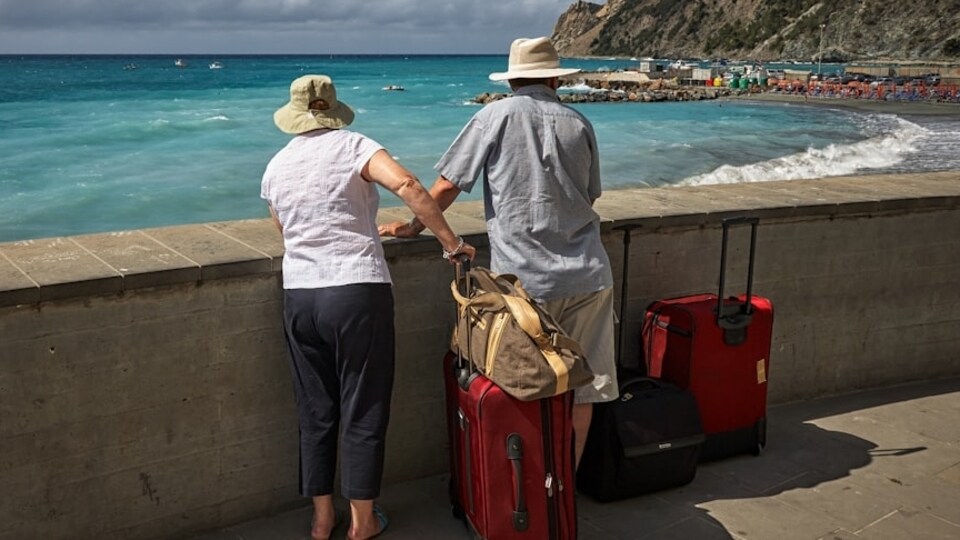
Authorities have the right to search an individual’s electronic devices, including phones and laptops, The Guardian reported. Some travellers have reportedly been asked to provide device passwords at US entry points.
US Customs and Border Protection (CBP) is not breaking any rules if they demand to search your phone or other devices as they are authorised to do so. In recent days, some travellers have reportedly claimed they were questioned or even turned away at the US border in connection to something they had in their phone.
How can you protect yourself from phone searches at the US border?
WIRED shared a guide to planning and bringing a smartphone across the border. It suggested that one way to approach device privacy is to start with a clean slate – you can buy a new phone only for the purpose of travelling. The simple idea is to build a sanitised version of your digital life on the phone you will travel with, and not have the back catalog of data, including old text messages, years of photos and forgotten apps, on the device. These content might be able to disclose details about your political connections, associations and more. Simply put, to reduce the data available to another person, you just put things you will need on the trip in your phone, and avoid putting anything that you would not need. You can buy a SIM card for your trip.
Another option is to modify your primary smartphone before travelling by removing old photos and messages, cleaning out nonessential apps, either removing some apps or at least logging out of them with your main accounts. You can log back in with your travel accounts.
“We all need to be recognizing that authorities may scrutinize your online presence, including social media activity and posts you’ve published,” said Danacea Vo, founder of Cyberlixir, a cybersecurity provider for nonprofits and vulnerable communities. “Since people have gotten more vocal on social media, they’re very worried about this. Some have even decided not to risk traveling to or from the US this year.”
However, if you think you are not at particular risk during border crossings, taking basic digital hygiene steps should be enough, such as updating your phone and removing apps and data you do not need.