In a tense multi-day evidentiary hearing that began on December 1, Monday, Luigi Mangione's lawyers contested that he was not read his Miranda Rights before questioning him at the McDonald's.
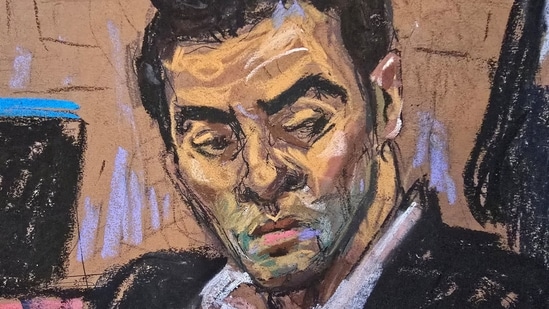
Mangione was arrested on charges of fatally shooting Brian Thompson, the former CEO of UnitedHealthcare. The testimony revealed that police waited roughly 20 minutes into the interrogation before reading Miranda rights, long after the questioning had begun.
Read more: Luigi Mangione was roughed up by 7 transwomen in Thailand months before shooting
What are Miranda Rights?
Under U.S. law, when a person is taken into custody and subjected to interrogation, police must first deliver the Miranda warning: the right to remain silent, that anything said can be used against them, the right to an attorney, and the right to an appointed lawyer if they cannot afford one.
These protections stem from the Fifth and Sixth Amendments of the U.S. Constitution. These rights are meant to shield individuals from self-incrimination and ensure fair access to legal counsel.
{{/usCountry}}These protections stem from the Fifth and Sixth Amendments of the U.S. Constitution. These rights are meant to shield individuals from self-incrimination and ensure fair access to legal counsel.
{{/usCountry}}If authorities fail to read these rights before questioning, any statements made during that period may be excluded from trial under the “exclusionary rule.”
In Mangione’s case, the defence argues that this constitutional safeguard was violated, potentially disqualifying key confessions and the search that led to the discovery of the alleged murder weapon. Should the court agree, it could seriously weaken the prosecution’s case.
Read more: Thanksgiving prison menu: What Diddy, Luigi Mangione will reportedly be served
What is the new testimony: The 911 call and the body camera footage
The call that triggered Mangione's arrest was placed on December 9, 2024, by a McDonald’s manager. She alerted the police after customers recognized a masked man they believed matched the widely circulated image of the CEO’s killer.
In the newly released evidence, the manager can be heard telling the dispatcher, “Some other customers are suspicious ... he looks like the CEO shooter from New York.” The only visible feature, she added, was his eyebrows.
Shortly afterwards, their surveillance video footage was also introduced in court, showing officers approach Mangione while he sits eating. According to the defence, police formed an “armed human wall” to trap him at the back of the restaurant before questioning him.
Contesting the prosecution’s narrative, Mangione’s lawyers argue that his backpack, allegedly containing a 3D-printed gun, ammunition and a notebook with writings, was searched without a warrant. The Miranda rights violation renders Mangione's statements and the backpack's content inadmissible, and it is necessary that they be suppressed, the defence argued.
What does the prosecution say?
Prosecutors assert that despite the arguments, the arrest, search and subsequent evidence collection were lawful. They maintain that the 3D-printed gun, magazine, and writings found in Mangione’s backpack directly link him to Brian Thompson’s killing. Moreover, they argue the backpack would have been discovered inevitably, with or without the challenged statements.
They also contend that the delay in reading Miranda rights was minimal and did not render the interrogation involuntary or coercive.
Will Mangione walk free if new testimony is approved?
Judge Gregory Carro is expected to rule in the coming days on the admissibility of the disputed evidence.
According to the Guardian, evidence is suppressed, prosecutors may lose their strongest physical and testimonial links between Mangione and the shooting, including the weapon, the journal, and his own admissions.
However, Ron Kuby, a criminal defense attorney, told the Guardian that, “Even if this motion is successful, it doesn’t mean that Luigi Mangione walks out of prison. All it means is that the items that were seized from him, or seized that belong to him, can’t be used as evidence against him.”
He added, “Substantial evidence remains, including his travel and other things.”