Lindsay Clancy’s trial is underway, with the Massachusetts mother’s vocal, physical and written messages offering key insights into her perspective. Lindsay, who is accused of killing her three children, has not taken the stand, but she did communicate in several ways at her murder trial this week, CNN reported.
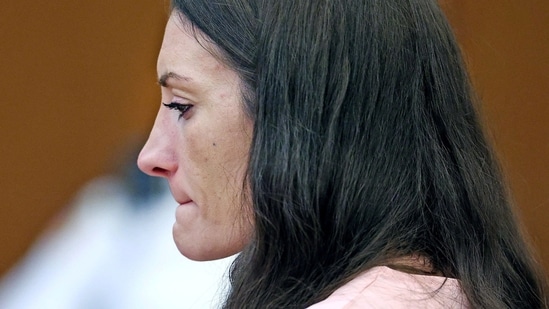
Lindsay vocally answered the judge’s questions about a legal issue, which were her first audible words in the trial. She was seen sobbing and shaking during difficult testimony about the autopsy of her infant son. Most importantly, her diary entries about her parenting stresses and postpartum issues, which were read aloud in court, offered insights into her mental health at the time of the murders.
Will Lindsay Clancy take the stand?
It is unclear if Lindsay will take the stand in her ongoing murder trial. Defendants reportedly have a constitutional right to choose whether or not to testify. Decisions regarding a defendant taking the stand are typically finalized late in the trial, once the prosecution rests and the defense begins presenting its case.
Also Read | Lindsay Clancy murder trial: 5 bombshell takeaways from second week testimony, 'Shut her up'
{{/usCountry}}Also Read | Lindsay Clancy murder trial: 5 bombshell takeaways from second week testimony, 'Shut her up'
{{/usCountry}}Paramedics recently described their attempts to revive the Clancy children and the nature of Lindsay’s injuries. Patrick Clancy, her former husband, took the stand the first two days of the trial and testified about finding his kids fatally injured and Lindsay’s struggles with mental health.
Lindsay is facing three counts of murder in the killings of her children Cora, 5; Dawson, 3; and Callan, 8 months. The proceedings in a Plymouth, Massachusetts, courtroom also included Lindsay’s physical injuries from her suicide attempt.
According to prosecutors, Lindsay, 35, “acted intentionally, rationally and swiftly” when she fatally strangled her three children at their Duxbury home on January 24, 2023. Her defense attorneys, on the other hand, argued that she is not criminally responsible because she was in the midst of a psychotic episode that stemmed from postpartum mental illness.
Mental health professionals who treated her in the months leading up to the crime testified about her reported despair and intrusive thoughts. Family members, on the other hand, described her behavior as increasingly withdrawn.