Nearly four hours after flight BA295 rapidly descended 28,000 feet while declaring a general emergency, British Airways on Monday said the aircraft had landed safely at London's Heathrow airport.
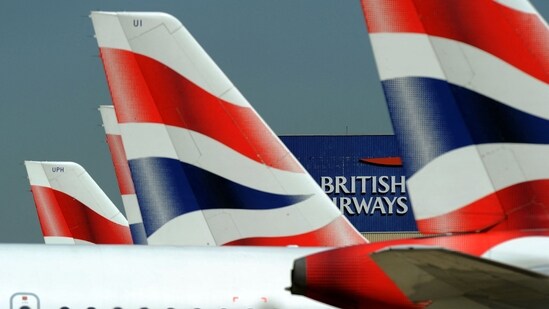
The transatlantic British Airways flight, operating from London's Heathrow to Chicago, had issued a squawk 7700 code, used for general emergency, around an hour into the flight. The aircraft had also rapidly descended from 37,000 feet to 9,000 feet, and then taken a U-turn to London again while flying over Irish airspace.
What did British Airways say about the incident?
In a statement issued to some UK media outlets, including The Mirror and Daily Mail, British Airways said the aircraft had landed safely after its “highly-trained pilots returned to Heathrow following a technical issue.”
It said that the passengers onboard had disembarked the aircraft “normally” and the airline was “working to get their travel plans back on track as quickly as possible.” “The safety of our customers and crew is always our top priority,” British Airways said.
{{/usCountry}}It said that the passengers onboard had disembarked the aircraft “normally” and the airline was “working to get their travel plans back on track as quickly as possible.” “The safety of our customers and crew is always our top priority,” British Airways said.
{{/usCountry}}What does flight tracking data show? Why did the flight fly in circles before landing?
The Boeing 777-200ER plane had a scheduled flight time of eight hours and 40 minutes to Chicago O'Hare International Airport (ORD), PTI news agency reported. It took off from London's Heathrow Airport at around 11.50 am local time, according to flight tracking data.
After takeoff, it started its ascent and reached its cruising altitude of 37,000 feet. However, about an hour into the journey, the flight began a rapid descent, and went from an altitude of 37,000 feet to 9,000 feet, registering a drop of 28,000 feet. The aircraft also issued a squawk 7700 code shortly after beginning its steep descent.
It was then diverted to London, according to data on Flightradar24, and took a U-turn. However, the aircraft kept circling the airspace between Wales and Ireland and then headed towards Heathrow. The circling could be an apparent attempt to dump fuel to reduce its fuel load.
Long-haul aircraft can carry a large amount of fuel for transatlantic journeys, and reducing the fuel load can help bring the aircraft closer to an appropriate landing weight during an early return. After circling multiple times, the flight began its gradual descent and landed in Heathrow after 4 hours and 47 minutes in the air.