E-Paper



RICO Act once took down mafia in New York. US now used it against Bishnoi gang
It's the first time the US statute, introduced in 1970, has been used against a syndicate with roots in India.

 Prefer HTon Google


For the first time, the US has invoked the Racketeer Influenced and Corrupt Organisations Act (RICO) against a criminal network rooted in India – the Lawrence Bishnoi gang, which has been indicted with running a transnational syndicate spanning America, Europe, Canada and beyond.
What is RICO?
RICO was passed by the US Congress as part of the Organised Crime Control Act of 1970, built at the time to dismantle the mafia. But the law’s reach is broader than mob or gang operations. According to the official US Congress website, RICO covers activities Congress deemed characteristic of organised crime — regardless of who actually carries them out.
ALSO READ | US may seek extradition of gangster Lawrence Bishnoi, two others
The mafias RICO has already brought down
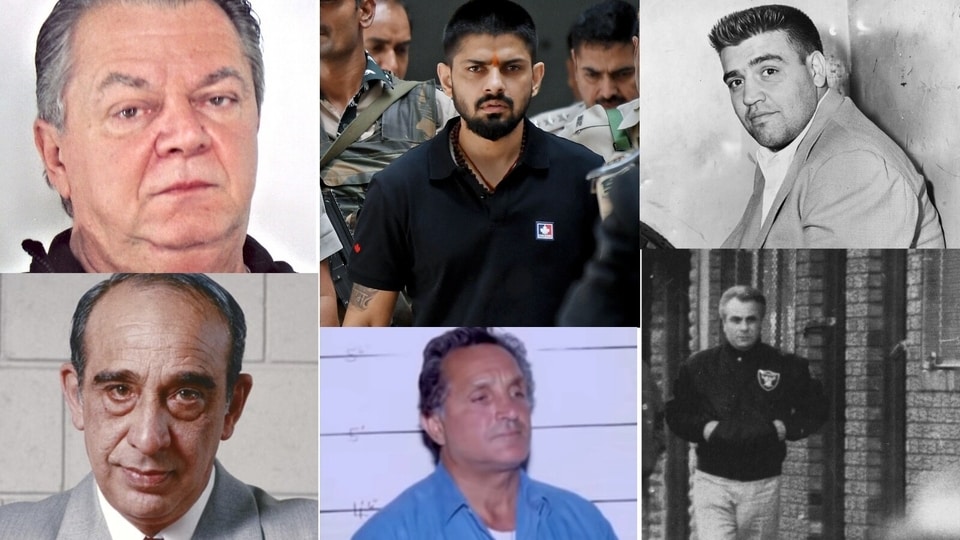
The law’s most storied targets were New York”s five families: the Bonanno, Colombo, Gambino, Genovese and Lucchese. Among its famous targets was John Gotti, the Gambino boss known as the “Teflon Don”, who earned a reputation as a violent mob leader. He was arrested in 1990 for racketeering and convicted on 13 counts under the RICO statute.
Gotti’s case stand out because he evaded permanent jail several times before his RICO conviction. According to the Federal Bureau of Investigation (FBI), he was once arrested in 1968 for his involvement in a plot to steal thousands of dollars' worth of merchandise from cargo trucks near New York's Kennedy International Airport. He went to jail under this case and was released within 4 years.
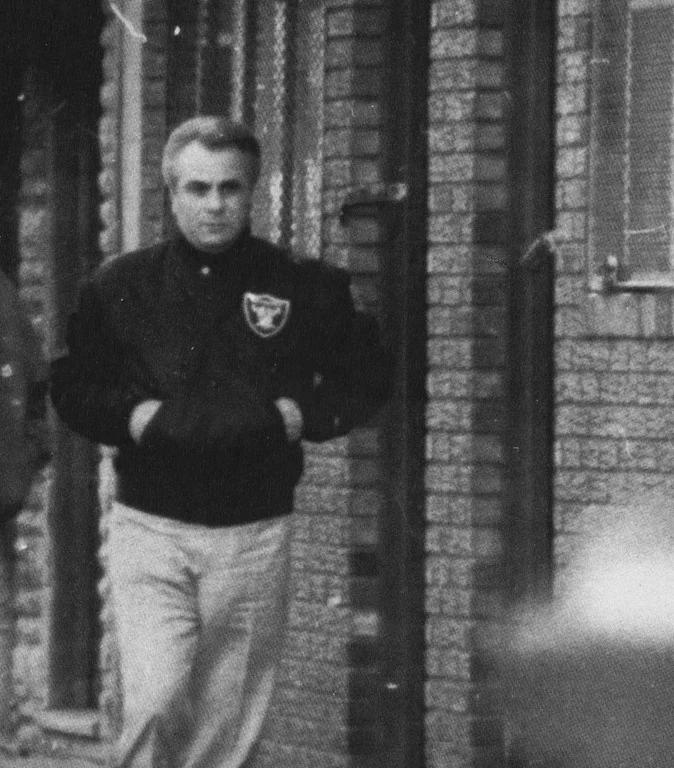
Over the next two years, he was arrested for murder, and released yet again. While out, the FBI said, he turned to gambling, loan-sharking, and drug trafficking.
In 1985, Gotti orchestrated taking over as the Gambino head after ensuring that the family’s apparent heir and second-in-command were shot dead.
Eventually, New York police only got hold of Gotti after the force got his henchman ‘Sammy the Bull’ Gravano to cooperate with law enforcement. FBI and police arrested Gotti in 1990 and charged him under RICO.
He was convicted in 1992 on 13 counts, including for the murder of the Gambino family heir.
The head of FBI’s New York office had quipped, “The don is covered with Velcro, and every charge stuck,” the agency’s official website cites. Gotti died in prison in June 2002.
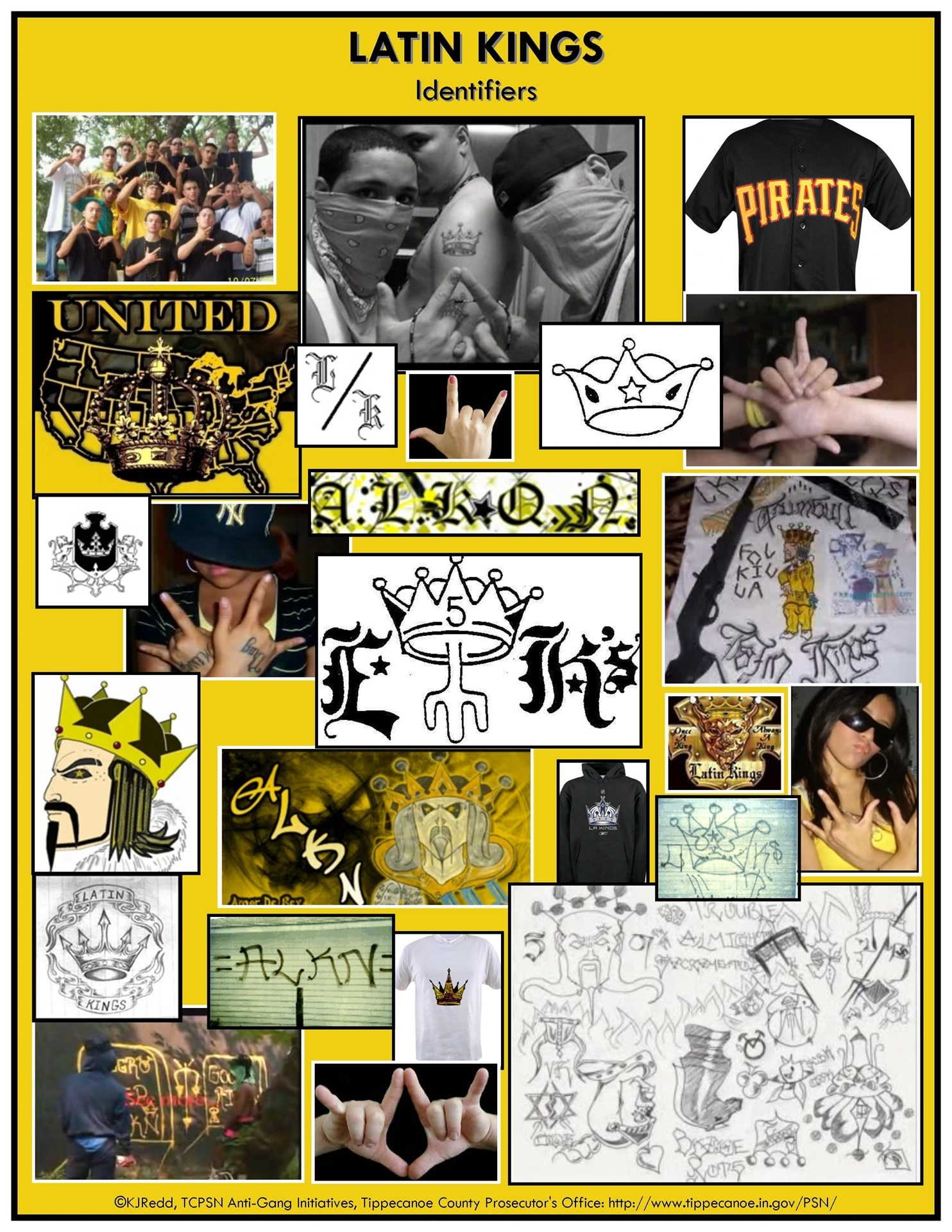
RICO has also been used against the ‘Latin Kings’ street and prison gang spread across the US, and against Fifa officials caught up in football’s 2015 corruption scandal.
How the law defines a crime
Under the Justice Department’s description of the statute, any person "employed by or associated with any enterprise engaged in, or the activities of which affect, interstate or foreign commerce, to conduct or participate, directly or indirectly, in the conduct of such enterprise's affairs through a pattern of racketeering activity or collection of unlawful debt” can be prosecuted.
An “enterprise” can be an individual, a partnership, a corporation, an association, or simply a group of people operating together, even without forming a legal entity. A “pattern” requires at least two acts of racketeering activity within ten years of each other.
ALSO READ | How US used undercover ops to build case against Lawrence Bishnoi gang, secure 24 arrests
To secure a conviction, prosecutors must prove five things beyond reasonable doubt: that an enterprise existed; that it affected interstate commerce; that the accused was associated with or employed by it; that the accused engaged in a pattern of racketeering activity; and that the accused conducted or participated in the enterprise’s affairs through that pattern, with at least two qualifying acts specified in the indictment.
The punishment
A RICO conviction opens the door to a wide range of criminal and civil consequences — imprisonment, fines, restitution, forfeiture, treble damages, attorneys’ fees, and a raft of other restrictions.
The criminal penalties, according to the Congress website, specifically include forfeiture of any property acquired through the violation, or of any property interest in the enterprise itself; imprisonment for up to 20 years, or life if the underlying offence carries such a penalty; and a fine — for individuals, the greater of twice the financial gain or loss involved, or $250,000, rising to $500,000 for organisations.
Why it matters now
The law has now, for the first time, been turned on an India-based criminal network. US prosecutors charged the Lawrence Bishnoi gang, accusing it of political assassinations, shootings, extortion and trafficking, all carried out with the help of hundreds of operatives.
Court documents and public statements from US prosecutors describe the Bishnoi network as a mafia-style transnational criminal enterprise, capable of large-scale criminal activity well beyond India's borders. The syndicate is also accused of associating with pro-Khalistan groups, including the Babbar Khalsa International (BKI).