Parts of southern Africa are culling elephants and other wildlife to feed their hungry populations amid the worst drought in over a century affecting these nations.
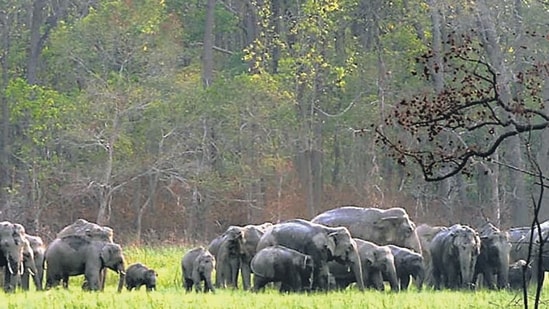
This decision follows the countries' move to cull elephants and other wild animals to address food insecurity caused by the ongoing drought.
According to a report from the TheWall Street Journal, Namibia is culling more than 700 elephants, hippos, zebras, and other animals from various national parks to provide for the starving populations in drought-stricken areas, the country's Ministry of Environment, Forestry, and Tourism said.
Severe drought in Africa
Zimbabwe and Namibia are among the many southern African countries experiencing a severe drought attributed to El Niño, a natural climate phenomenon that has led to minimal rainfall in the region since the beginning of the year. These nations are also increasingly susceptible to droughts exacerbated by climate change. According to CNN, citing local media, at least 31 people have lost their lives in Zimbabwe this year due to conflicts between humans and wildlife.
Last month, Zimbabwe announced it would permit the culling of 200 elephants to distribute their meat to needy communities. The Namibian government approved the culling of 723 animals, which includes 83 elephants, 30 hippos, 60 buffaloes, 50 impalas, 300 zebras, and 100 elands, the Associated Press reported.
{{/usCountry}}Last month, Zimbabwe announced it would permit the culling of 200 elephants to distribute their meat to needy communities. The Namibian government approved the culling of 723 animals, which includes 83 elephants, 30 hippos, 60 buffaloes, 50 impalas, 300 zebras, and 100 elands, the Associated Press reported.
{{/usCountry}}Zimbabwe's Environment Minister Sithembiso Nyoni informed Parliament last week that she had approved the culling program.
“Indeed Zimbabwe has more elephants than we need, more elephants than our forestry can accommodate,” Nyoni stated. Tinashe Farawo, a spokesperson for the Zimbabwe National Parks and Wildlife Management Authority, was quoted by the Associated Press saying that permits would be issued in communities facing shortages to hunt elephants, and that the agency would also cull some of the 200 animals allocated.
“We will start culling as soon as we have finished issuing out permits,” Farawo noted.
The elephants will be sourced from areas where the population has become unsustainable, according to Farawo. The hunting will occur in regions like Hwange National Park in the country’s arid west, where competition for food and water between humans and wildlife has intensified due to rising temperatures making resources scarcer.