
 E-Paper



Radio tag-enabled electronic toll system likely by March 2016
Indian Highways Management Company Ltd set up to implement e-toll collection on a pan-India basis.

 Prefer HTon Google


If all goes according to plan, you may soon be able to zip through congested toll plazas on highways.
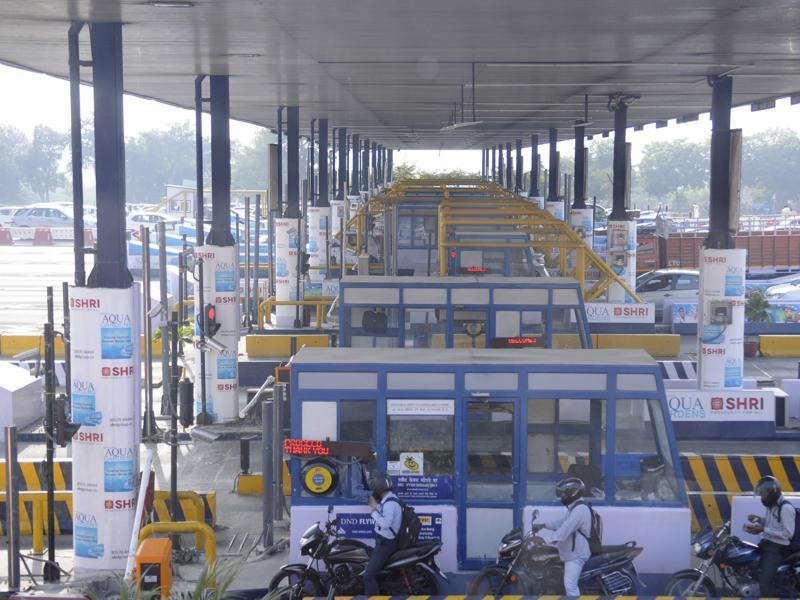
The Centre plans to implement radio tag-enabled electronic toll collection (ETC) systems across all highways by March 2016 and has decided to make ETC lanes as a mandatory clause in the new highway building contracts.
A new company — Indian Highways Management Company Limited — has been set up. The National Highways Authority of India (NHAI) holds 25% stake in the company, with financial institutions and concessionaire or highway developers holding 25% and 50%, respectively.
“This company will be mandated to implement ETC on a pan-India basis. The target is to roll out e-tolling on all national highways by March 31, 2016,” a source, who did not wish to be identified, told HT.
Under the e-tolling system, in operation in stretches such as Delhi-Mumbai and Chennai-Bangalore, a radio frequency identification tag (RFID) tag is fixed on a vehicle’s windscreen. These tags can be obtained from designated banks and toll plazas.
Once the vehicle approaches the toll plaza, a sensor will detect the RFID tag, deduct the amount from a pre-paid account similar to a mobile wallet, and let the car pass through a dedicate e-toll lane.
“The move is aimed at ensuring seamless traffic movement on national highways. Besides, it will also reduce the use of cash at toll booths,” the source added.
The Centre has also launched a “hybrid” annuity model (HAM) to fund road projects to aid economic revival by creating jobs and pushing income growth.
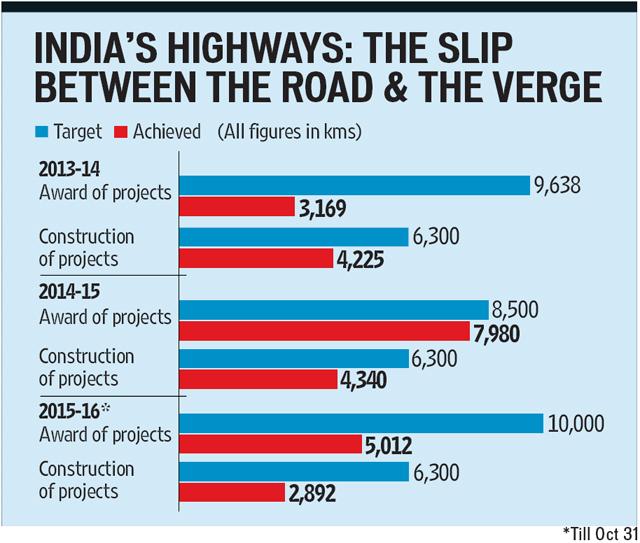
The NDA government has set a target to build 30-km of new national highways every day.
Prime Minister Narendra Modi recently reviewed the progress of India’s highway projects.
Under HAM, the government will pay 40% of the project cost to the developer during construction, and the developer will pay the balance. The NHAI will collect the toll and refund 60% of the developer’s cost over a 10-year period.
The government has identified 21 highway projects to be implemented through this financing model. Three of these: Delhi-Meerut, Meerut-Bulandshahr and Shimla-Solan have already been bid out, sources said.
This funding system reduces the developer’s burden during construction, and also eases the NHAI’s cash problem in case of a fully government-funded project.
A new “monetisation” scheme has also been finalised, under which investors will be given the right to collect user fee or toll on a selected public-funded highway stretch against an upfront lump-sum payment to the government.
“The model concession agreement has been prepared for this,” another source said.


