E-Paper



India must lift ban on social media in Kashmir, it impacts fundamental rights: UN
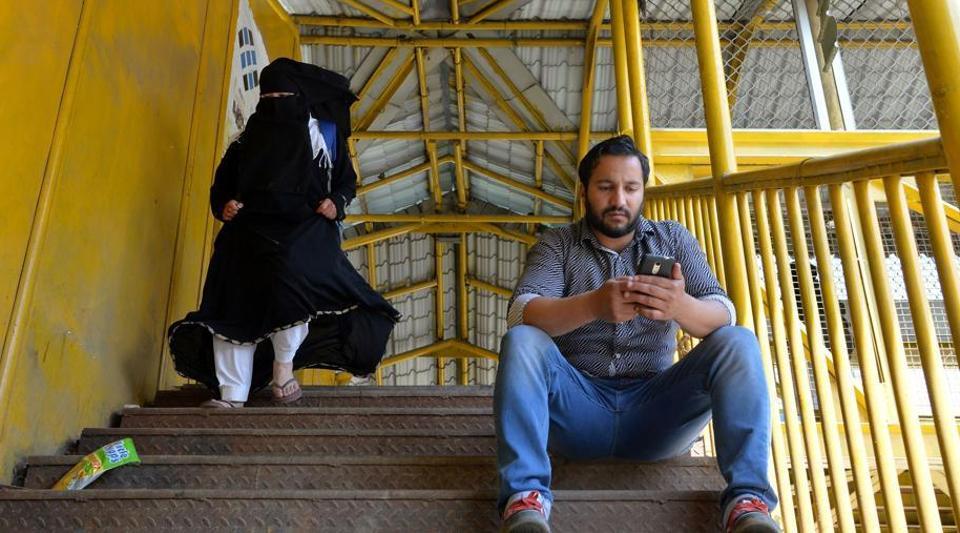
On April 17, the government banned 22 social media sites and applications, including Facebook, Twitter and WhatsApp, in an attempt to stop people in Kashmir from spreading rumours and uploading controversial videos.


India must immediately revoke a ban on social media in Jammu and Kashmir to guarantee freedom of expression and seek a lasting solution to the decades-long conflict through democratic dialogue, the United Nations said on Thursday.
A statement released and published by the UN high commissioner for human rights said the gag was a “collective punishment” that didn’t meet the international standards for limiting free speech.
“The scope of these restrictions has a significantly disproportionate impact on the fundamental rights of everyone in Kashmir, undermining the government’s stated aim of preventing dissemination of information that could lead to violence,” the report, authored by two UN human rights experts, said.
Anger has mounted in the Valley in recent months over a series of viral videos showing alleged human rights excesses by security forces, including a Kashmiri man tied to an army jeep.
Hundreds of students and local residents have clashed with police and army personnel, a string of banks have been looted and stone pelting incidents have increased.
On April 17, the government banned 22 social media sites and applications, including Facebook, Twitter and WhatsApp, in an attempt to stop people from spreading rumours and uploading controversial videos. But the ban has been largely ineffective as residents have circumvented the gag using virtual private networks (VPNs).
The report said there were already an estimated 31 reported cases of social media and internet bans since 2012 in Jammu and Kashmir, noting what seems to be a worrying pattern aimed at curbing protests and social unrest in the region.
The experts noted that in 2016, the UN Human Rights Council condemned such disruptions and called upon states to avoid them.
“Denying such access disrupts the free exchange of ideas and the ability of individuals to connect with one another and associate peacefully on matters of shared concern,” said the UN Special Rapporteur on the situation of human rights defenders, Michel Forst.
The report noted a ban on mobile internet -- 3G and 4G data services – which were restored last month after a brief disruption.